Best Snore Stopper Solutions Revealed Through Science
Millions endure nightly disruptions from snoring, a condition often dismissed as harmless yet linked to severe health risks like hypertension and cognitive decline. Behind every loud vibration lies a complex interplay of airway obstructions, muscle relaxations, and anatomical quirks—factors that transform peaceful slumber into a battlefield for both sufferers and their partners.
From nasal congestion to aging-related tissue weakening, snoring stems from a mix of physiological and lifestyle triggers, each demanding tailored solutions. While myths persist—such as the belief that snoring only affects overweight individuals—scientific research paints a clearer picture: chronic snoring is a silent epidemic, with consequences ranging from strained relationships to workplace accidents. This exploration dives into the mechanics of snoring, debunks misconceptions, and unveils the most effective, evidence-backed interventions to reclaim restful nights.

Understanding Snoring: Physiology, Causes, and Health Implications
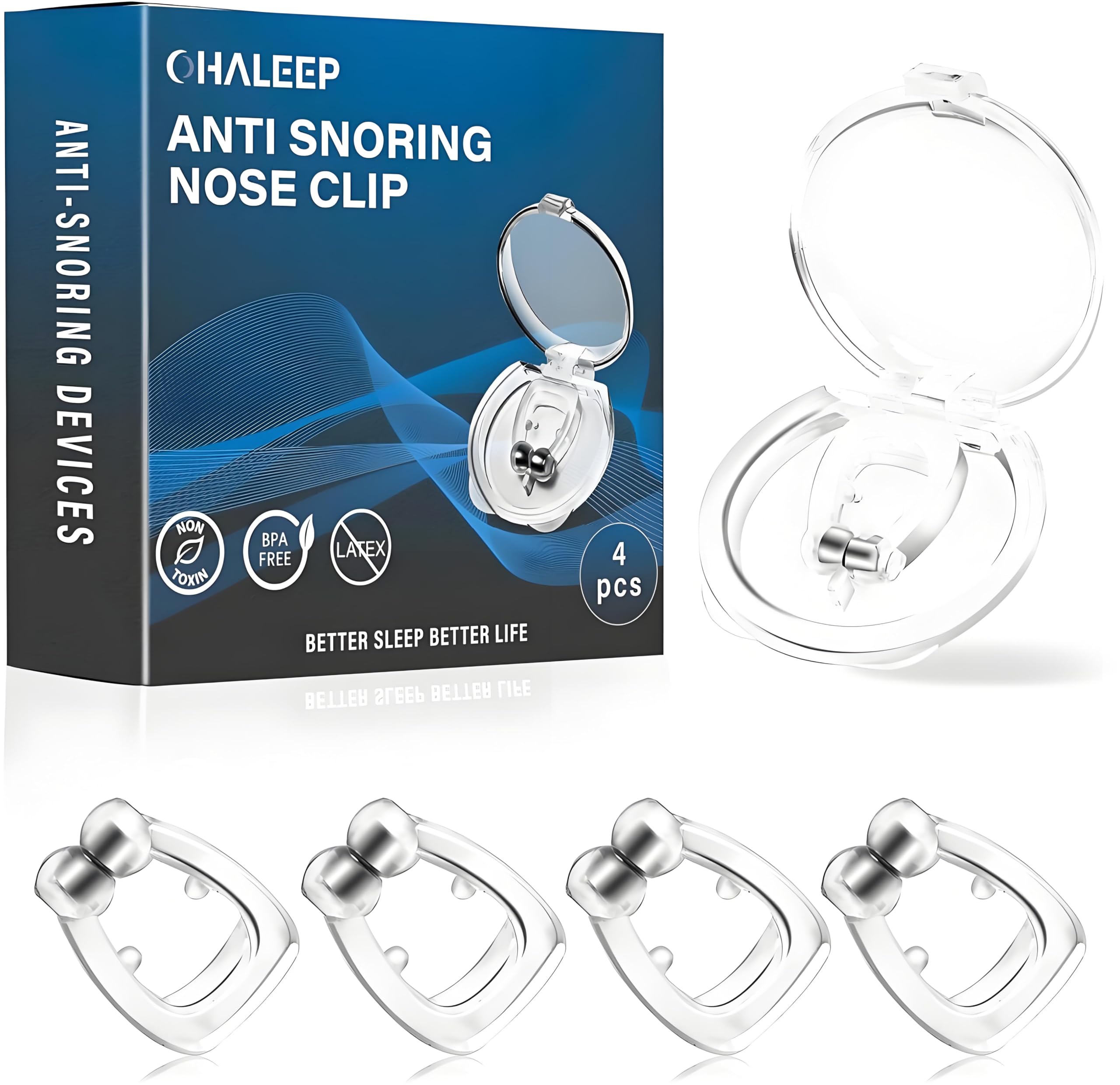
Snoring is more than just a nocturnal nuisance—it is a complex physiological phenomenon rooted in the mechanics of breathing during sleep. While often dismissed as harmless, chronic snoring can signal underlying health risks, including cardiovascular diseases and cognitive decline. This section explores the anatomical and lifestyle factors contributing to snoring, supported by scientific evidence, and distinguishes between benign snoring and serious sleep disorders like obstructive sleep apnea (OSA). By examining misconceptions, cultural attitudes, and real-world consequences, readers will gain clarity on why snoring demands attention beyond its auditory impact.
### The Physiology of Snoring: Airway Vibrations and Obstructions Snoring occurs when airflow through the throat becomes partially obstructed, causing the surrounding tissues—such as the soft palate, uvula, and tongue—to vibrate. These vibrations produce the characteristic rattling or sawing sounds. The primary anatomical culprits include: - The Soft Palate and Uvula: During sleep, muscles relax, allowing these structures to sag toward the throat, narrowing the airway. Turbulent airflow accelerates over the narrowed passage, creating vibrations. - The Tongue: An enlarged or relaxed tongue can block the airway, especially in individuals who sleep on their backs. The base of the tongue may collapse into the pharynx, restricting airflow. - The Nasal Passages: Nasal congestion from allergies, colds, or structural issues (e.g., deviated septum) forces mouth breathing, which increases snoring risk by drying out throat tissues and reducing airway support. - The Pharyngeal Walls: Excessive tissue or fat deposits in the throat can further constrict the airway, amplifying snoring intensity.

Studies using polysomnography (sleep studies) reveal that snoring is not uniform—it varies based on the location and severity of obstruction. For instance, vibrations in the oropharynx (middle throat) produce a guttural snore, while nasal snoring sounds higher-pitched due to turbulence in the nasal passages. Understanding these mechanisms helps differentiate between primary snoring (nocturnal noise without oxygen desaturation) and secondary snoring (associated with apnea or hypoxia).
### Common Causes of Snoring: Age, Lifestyle, and Medical Factors Snoring does not affect all individuals equally; its prevalence and severity are influenced by age, lifestyle, and physiological changes. Below is a categorized breakdown of the most significant contributors:
Table of Contents
#### Age-Related Causes - Children (Ages 2–12) - Adenotonsillar Hypertrophy: Enlarged adenoids or tonsils are the leading cause, blocking the airway during sleep. Studies in The Journal of Pediatrics (2018) found that 30–50% of children with snoring have obstructive sleep apnea (OSA), linked to cognitive and behavioral issues. - Nasal Obstructions: Frequent colds, allergies, or structural abnormalities (e.g., cleft palate) force mouth breathing, increasing snoring risk. - Obesity: Childhood obesity is correlated with increased snoring, with research in Pediatric Obesity (2020) showing a 40% higher prevalence in overweight children.
- Adults (Ages 18–64) - Muscle Relaxation: During REM sleep, throat muscles relax excessively, especially in the soft palate and tongue, leading to airway collapse. - Obesity and Neck Circumference: Excess fat around the neck increases pharyngeal tissue, narrowing the airway. A study in Sleep Medicine Reviews (2019) found that men with a neck circumference >17 inches and women >16 inches had a 3x higher risk of moderate-to-severe snoring. - Alcohol and Sedatives: These substances suppress the central nervous system, further relaxing throat muscles. A Journal of Clinical Sleep Medicine (2017) study reported that alcohol consumption within 3 hours of bedtime increased snoring frequency by 25%. - Smoking: Irritation and inflammation of the upper airway from smoking contribute to snoring. The American Journal of Respiratory and Critical Care Medicine (2016) found smokers had 1.5x higher odds of snoring compared to non-smokers.
- Elderly (Ages 65+) - Aging-Related Tissue Loss: Loss of muscle and fat in the throat reduces airway support. A Gerontology & Geriatric Research (2021) study noted that 70% of individuals over 65 experience some degree of snoring, often worsening with age. - Chronic Conditions: Conditions like gastroesophageal reflux disease (GERD) or hypothyroidism can exacerbate snoring by causing inflammation or fluid retention in the throat. - Medication Side Effects: Sleep aids, antidepressants, and antihistamines may induce snoring by promoting muscle relaxation.
#### Lifestyle and Environmental Factors - Sleep Position: Back sleeping is the most common trigger, as gravity pulls the tongue and soft palate backward, obstructing the airway. Side sleeping reduces snoring in 60–70% of cases, while stomach sleeping can alleviate it but may cause neck strain. - Nasal Congestion: Allergies, sinusitis, or colds restrict airflow, increasing snoring intensity. Antihistamines may paradoxically worsen snoring by drying mucosal tissues. - Poor Sleep Hygiene: Irregular sleep schedules or insufficient sleep increase daytime fatigue, leading to deeper (and noisier) sleep stages. - Diet: High-carb or late-night meals can contribute to GERD, while dehydration thickens mucosal secretions, narrowing airways.
### Health Risks of Chronic Snoring: Beyond Nocturnal Noise While occasional snoring may seem benign, chronic snoring is associated with serious health complications, many of which are underreported. Below is a comparison table of primary vs. secondary snoring causes, along with their symptoms and severity levels:
| Factor | Primary Snoring (No Apnea) | Secondary Snoring (OSA-Related) |
|---|---|---|
| Mechanism | Airway vibrations without significant obstruction or oxygen drops. | Partial or complete airway collapse causing apnea episodes (oxygen saturation <90%). |
| Symptoms |
|
|
| Severity | Low to moderate risk; rarely progresses to OSA. | High risk; untreated OSA increases mortality by 30% (per European Respiratory Journal, 2020). |
| Associated Conditions |
|
|
| Diagnostic Indicators | Nocturnal sound recordings; no oxygen desaturation. | Polysomnography (PSG) showing ≥5 apnea/hypopnea events per hour. |
Key Ins
Top-Rated Snore Stoppers: Product Categories and Mechanisms of Action
Snoring disrupts sleep for millions, affecting both individuals and their partners. While lifestyle adjustments and medical interventions exist, snore-stopping products offer targeted, non-invasive solutions tailored to different snoring triggers. These products range from simple adhesive strips to custom-fitted oral appliances, each designed to alter airflow, reposition the jaw or tongue, or correct sleep posture. Understanding the science, materials, and mechanisms behind these solutions empowers users to select the most effective option for their needs. Below is a categorized breakdown of the most widely used snore stoppers, their physiological impacts, and real-world performance insights.
Categorization of Snore-Stopping Products and Their Mechanisms
Snore stoppers can be grouped into six primary categories, each addressing distinct anatomical or behavioral causes of snoring. The effectiveness of these products hinges on their ability to modify airflow resistance, stabilize airway structures, or prevent obstructive positions during sleep.
1. Oral Appliances (Mandibular Advancement Devices - MADs) Oral appliances, particularly MADs, are FDA-cleared devices designed to reposition the lower jaw (mandible) or tongue to prevent airway collapse. These appliances are custom-fitted or ready-to-wear and constructed from hypoallergenic materials such as thermoplastic polymers or medical-grade silicone. The device applies gentle forward pressure on the mandible, increasing the space behind the tongue and soft palate, thereby reducing snoring vibrations. For tongue-based snorers, tongue-retaining devices (TRDs) hold the tongue in place using suction or a bulb mechanism. Studies published in the Journal of Clinical Sleep Medicine indicate that MADs reduce snoring by 50–70% in mild-to-moderate cases, with success rates comparable to CPAP in some patients.
2. Nasal Strips and Dilators Nasal strips, made from flexible adhesive polymers (e.g., hydrocolloid or silicone-based compounds), physically lift the nasal passages to improve airflow. These strips adhere to the outer nose and exert outward pressure, widening the nostrils by 20–30% during inhalation. Nasal dilators, often inserted into the nostrils, work by mechanically springing the nasal walls apart. Both solutions are most effective for nasal-obstructive snorers, where congestion or deviated septums restrict airflow. Research in The American Journal of Rhinology & Allergy suggests nasal strips can reduce snoring intensity by up to 37% in users with nasal resistance.
3. Positional Therapy Devices Positional snoring occurs when sleeping on the back causes the tongue and soft palate to obstruct the airway. Devices in this category include tennis-ball-in-a-sock attachments (worn on pajamas), wedge-shaped pillows, and smart positional correctors (e.g., SnoreLab’s positional therapy belt). These tools encourage side sleeping by creating discomfort in the back-sleeping position or physically restricting movement. A study in Sleep Medicine Reviews found that positional therapy reduced snoring in back-sleepers by 50–80%, though compliance varies due to user discomfort.
4. Anti-Snoring Pills and Supplements Over-the-counter (OTC) pills and herbal supplements (e.g., valerian root, melatonin, or zinc-based formulations) aim to reduce snoring by promoting muscle relaxation or reducing inflammation in the airway. Snoreze, a popular supplement, contains zinc and vitamin B6, which may reduce throat muscle vibrations. However, the efficacy of these products is debated, with limited clinical evidence. A 2018 review in Sleep Medicine noted that while some users report reduced snoring, results are inconsistent and often short-lived. Prescription alternatives, such as clonazepam (a muscle relaxant), are rarely used due to sedation risks.
5. Surgical and Medical Interventions For severe or chronic snorers, surgical options target structural issues like enlarged tonsils, uvula elongation, or deviated septums. Procedures include: - Uvulopalatopharyngoplasty (UPPP): Removal of excess throat tissue. - Laser-Assisted Uvuloplasty (LAUP): Shrinking the uvula with laser energy. - Radiofrequency Ablation (RFA): Heating tissue to stiffen the palate. While effective for some, surgical risks include bleeding, infection, or altered voice quality. Non-surgical medical devices, such as Pillar Procedure implants (small polyester implants in the palate), offer a less invasive alternative with 60–70% success rates per Otolaryngology–Head and Neck Surgery studies.
6. Emerging Technologies Innovations in snore-stopping technology include: - AI-Powered Sleep Trackers: Devices like ShutEye or Lark use microphones and algorithms to detect snoring patterns and provide feedback via apps. - Vibration-Based Positional Correctors: Wearable devices (e.g., SnoreLab’s Smart Sleeper) deliver gentle vibrations to nudge users away from back-sleeping. - Smart Mouthpieces with Biofeedback: Combining MADs with sensors to adjust pressure dynamically based on airflow resistance.
Over-the-Counter vs. Prescription Snore Stoppers: Pros and Cons
The choice between OTC and prescription snore stoppers depends on snoring severity, budget, and medical supervision needs. Below is a comparative analysis:
| Criteria | Over-the-Counter (OTC) | Prescription |
|---|---|---|
| Cost |
|
|
| Effectiveness |
|
|
| Accessibility |
|
|
| Safety and Side Effects |
|
|
| Long-Term Use |
|
|
User Testimonials: Real-World Success Stories Anonymized accounts highlight the practical impact of snore stoppers:
"I tried the VitalSleep mouthpiece after my partner threatened to sleepSnoring is more than a nuisance; it is a call for intervention, one that science and innovation have begun to answer with precision. Whether through adjustable oral appliances, cutting-edge nasal strips, or lifestyle adjustments, the path to quieter sleep is within reach—provided the right tools are chosen based on individual needs. By separating myth from fact and weighing the efficacy of each solution, sufferers can take control, transforming restless nights into rejuvenating rest and safeguarding long-term health.
Leave a Comment
Comments are moderated before appearing. The data you submit is processed according to the Privacy Policy of Scopitones.