Best Museums In Paris Explore Top Cultural Treasures
Paris has long stood as the undisputed crown jewel of global art and history, where every museum tells a story that transcends centuries. From the grandeur of the Louvre’s ancient relics to the avant-garde experiments of the Centre Pompidou, the city’s institutions do not merely preserve culture—they redefine it. With over 170 museums dotting its landscape, Paris attracts nearly 40 million visitors annually, solidifying its reputation as a destination where art, innovation, and heritage collide.
The city’s museums are more than repositories of masterpieces; they are living archives of human creativity, shaped by wars, revolutions, and artistic movements. The Louvre, the world’s most visited museum, houses the Mona Lisa and artifacts from pharaohs, while the Musée d’Orsay bridges the gap between 19th-century realism and modern abstraction. Meanwhile, niche institutions like the Musée de la Magie offer glimpses into Paris’s lesser-known obsessions, from magic tricks to Romantic-era salons. This guide decodes the essence of Parisian museums, balancing iconic landmarks with hidden gems to craft an unforgettable cultural journey.

Paris as a Global Hub for Art and Heritage Preservation

Paris has long stood as the epicenter of global cultural exchange, where art, history, and innovation converge to shape humanity’s collective memory. Since the Enlightenment, the city has been a beacon for preserving and disseminating artistic and historical treasures, attracting scholars, collectors, and tourists alike. Its museums are not merely repositories of objects but living archives that reflect Paris’s role as a guardian of world heritage. The city’s commitment to accessibility—free entry for EU residents under 26 and reduced rates for international visitors—further solidifies its position as a democratic space for cultural exploration. With over 3,500 museums and galleries across France, Paris alone accounts for nearly 40% of national museum visits, underscoring its unparalleled influence in the preservation of global artistic and archaeological legacies.
The city’s museums transcend national borders, housing masterpieces from ancient civilizations, Renaissance workshops, and modern avant-garde movements. Institutions like the Louvre and Musée d’Orsay serve as bridges between cultures, hosting temporary exhibitions that rotate between Paris and international venues. This dynamic exchange fosters cross-cultural dialogue, ensuring that Paris remains a pivotal node in the global art ecosystem.
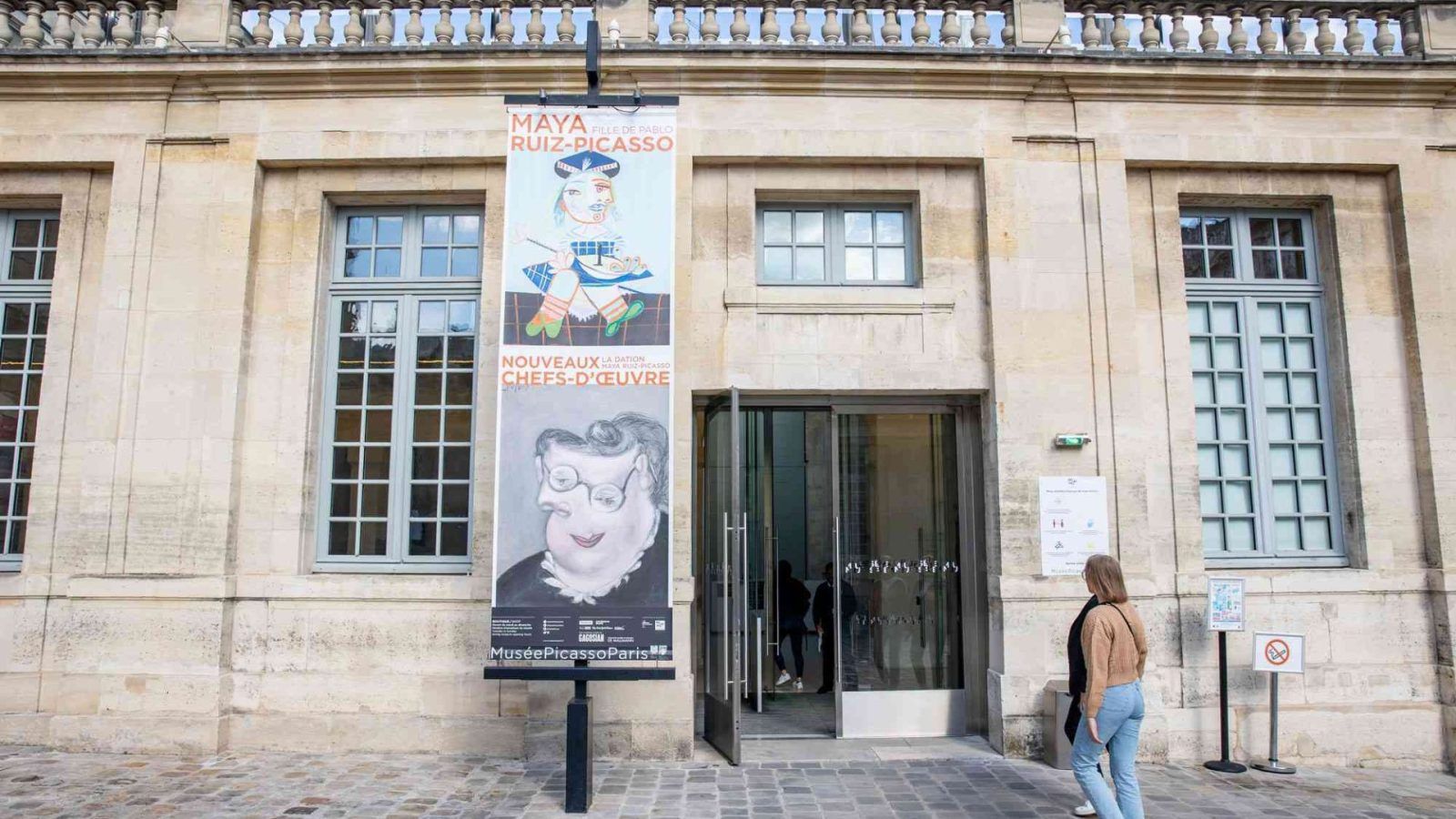
Historical Evolution of Parisian Museums: Key Milestones from the 18th Century to Today
The foundations of Paris’s museum landscape were laid during the French Revolution (1789–1799), when the Musée du Louvre was established in 1793 as a public institution, repurposing the former royal palace. This radical shift democratized access to art, transforming private collections into national treasures. The Napoleonic era further expanded this vision, with looted artifacts from across Europe—including the Rosetta Stone and Venus de Milo—displayed in the Louvre, cementing its reputation as a trove of global heritage.
The 19th century marked a period of institutionalization, with the Musée d’Orsay (1896) and Centre Pompidou (1977) emerging as landmarks of modern curation. The Musée d’Orsay, originally a train station, was repurposed to house Impressionist and Post-Impressionist works, while the Centre Pompidou pioneered a radical architectural approach, placing functional spaces—libraries, galleries, and auditoriums—externally to prioritize visitor flow. This era also saw the rise of specialized museums, such as the Musée de l’Orangerie (1927), designed to showcase Monet’s Water Lilies in an immersive setting.
Table of Contents
- Paris as a Global Hub for Art and Heritage Preservation
- Historical Evolution of Parisian Museums: Key Milestones from the 18th Century to Today
- Visitor Statistics and Economic Impact: Paris vs. Global Museum Capitals
- Architectural Evolution: From Classical Palaces to Futuristic Spaces
- Technology and Innovation: Augmented Reality, Virtual Reality, and Digital Curation
- Comparative Table: Top 5 Museums in Paris by Visitor Impact and Historical Significance
- Top 5 Must-Visit Museums in Paris: In-Depth Profiles of Artistic Mastery and Cultural Legacy
- Comparative Overview of Iconic Parisian Museums
- Optimized 3-Day Itinerary for Efficient Museum Exploration
- Thematic Deep Dives: What Makes Each Museum Unique
- The Louvre’s Thematic Universe: From Pharaohs to Renaissance Geniuses
- Musée d’Orsay: The Impressionist Revolution and the Birth of Modernity
- Centre Pompidou: Architecture as Art and the Avant-Garde Experiment
- Beyond the Classics: Niche and Specialized Museums in Paris
- Five Niche Museums Redefining Paris’s Cultural Identity
- Curating a Personalized Museum Tour for Diverse Audiences
The 20th and 21st centuries have witnessed Paris’s museums embracing digital innovation and global collaboration. The Louvre Abu Dhabi (2017), a branch of the Louvre, exemplifies this expansion, while the Musée des Arts et Métiers integrates interactive exhibits on industrial heritage. Meanwhile, the Musée Jacquemart-André (1894) and Musée Rodin (1919) reflect private patronage’s enduring role in preserving artistic legacies. Today, Paris’s museums operate as hybrid spaces, blending physical collections with virtual platforms to reach audiences worldwide.
Visitor Statistics and Economic Impact: Paris vs. Global Museum Capitals
Paris’s museums attract over 30 million visitors annually, positioning the city as a top global destination alongside London and New York. The Louvre alone receives 10 million visitors per year, making it the most visited art museum in the world, ahead of the British Museum (6.7 million) and Metropolitan Museum of Art (7 million). This dominance extends to economic contributions, with Paris’s museum sector generating €1.5 billion annually in direct revenue, including tourism, merchandise, and cultural events.
A comparative analysis reveals Paris’s unique blend of historical prestige and modern appeal. While London’s British Museum leads in archaeological collections, Paris excels in fine arts and decorative arts, with institutions like the Musée des Arts Décoratifs and Musée de la Chasse et de la Nature offering niche specializations. New York’s Metropolitan Museum of Art rivals Paris in global reach, but its 2.5 million annual visitors pale in comparison to the Louvre’s dominance. Economically, Paris’s museums support over 50,000 jobs in tourism, hospitality, and creative industries, reinforcing their role as engines of local and national growth.
Architectural Evolution: From Classical Palaces to Futuristic Spaces
Parisian museums embody centuries of architectural innovation, reflecting shifts in aesthetic priorities and visitor experiences. Early institutions like the Louvre (12th–18th centuries) repurposed medieval and Renaissance structures, blending Gothic and Baroque elements with Neoclassical additions under Napoleon III. The Musée de Cluny (15th century), housed in a medieval palace, preserves this historical continuity, offering a glimpse into Paris’s layered past.
The 19th century introduced industrial-era adaptations, such as the Musée d’Orsay’s Beaux-Arts façade, which contrasts with its iron-and-glass interior, a nod to the city’s transformation during the Haussmann renovations. The Centre Pompidou (1977), designed by Renzo Piano and Richard Rogers, broke conventions with its "inside-out" structure, exposing mechanical systems externally to emphasize functionality. This high-tech aesthetic influenced later museums, including the Musée du Quai Branly (2006), which uses sustainable materials and indigenous art integration to redefine cultural storytelling.
Modern additions like the Musée des Arts et Métiers (2006) and Fondation Louis Vuitton (2014) showcase contemporary minimalism, with Frank Gehry’s undulating façade and Jean Nouvel’s light-filled galleries prioritizing immersive experiences. These designs reflect a global shift toward experiential architecture, where museums are no longer static but dynamic, interactive environments.
Technology and Innovation: Augmented Reality, Virtual Reality, and Digital Curation
Paris’s museums have embraced cutting-edge technology to enhance engagement, particularly for younger audiences and remote learners. The Louvre leads with its "Louvre Lens" app, an augmented reality (AR) tool that overlays digital reconstructions of lost artifacts, such as the Salle des Caryatides, onto real-world views. Similarly, the Musée d’Orsay offers "Orsay Stories", an AR guide that brings paintings to life with animations, while the Centre Pompidou uses virtual reality (VR) headsets to simulate exhibitions like "Picasso: The Journey."
Interactive installations are another hallmark of Parisian innovation. The Musée des Arts et Métiers features touchscreen kiosks detailing industrial inventions, while the Musée Jacquemart-André employs holographic projections to recreate 19th-century Parisian salons. The Musée de l’Orangerie integrates 360-degree virtual tours, allowing global audiences to explore Monet’s Water Lilies without physical barriers.
Beyond physical exhibits, Parisian museums leverage digital platforms for global outreach. The Louvre’s website hosts 3D scans of 480,000 artifacts, and its "Louvre Collection" app provides AI-driven curation based on user preferences. Meanwhile, the Musée Rodin collaborates with Google Arts & Culture for street-view tours of its gardens. These initiatives ensure Paris remains at the forefront of museum 2.0, where technology bridges the gap between physical and virtual heritage.
Comparative Table: Top 5 Museums in Paris by Visitor Impact and Historical Significance
The following table highlights Paris’s most influential museums, showcasing their historical roots, iconic collections, and visitor appeal.
| Museum Name | Year Established | Notable Collections | Annual Visitors (Est.) | |||||||||||||||||||||||||||||||||||||||||||||||
|---|---|---|---|---|---|---|---|---|---|---|---|---|---|---|---|---|---|---|---|---|---|---|---|---|---|---|---|---|---|---|---|---|---|---|---|---|---|---|---|---|---|---|---|---|---|---|---|---|---|---|
| Musée du Louvre | 1793 (as public museum) |
Top 5 Must-Visit Museums in Paris: In-Depth Profiles of Artistic Mastery and Cultural LegacyParis stands as a living gallery of human creativity, where museums transcend their roles as mere repositories of art to become immersive experiences that narrate the evolution of civilization. Among the labyrinthine streets and grand boulevards, five institutions emerge as pillars of global cultural heritage—each offering a distinct lens through which to explore Paris’s artistic soul. These museums are not only custodians of iconic masterpieces but also vibrant ecosystems of innovation, reflecting the city’s enduring influence on art movements that reshaped the world. From the Renaissance to modern abstraction, these spaces encapsulate Paris’s identity as a crucible of creativity, where local geniuses like Monet, Rodin, and Picasso forged legacies that continue to captivate millions annually. The following profiles dissect the essence of each museum, revealing their specializations, hidden treasures, and the intangible qualities that make them indispensable to any visitor’s journey. Understanding their unique features, operational logistics, and the stories behind their lesser-known exhibits provides a roadmap to an unforgettable exploration of Paris’s artistic heartbeat.Comparative Overview of Iconic Parisian MuseumsA structured comparison of Paris’s top five museums highlights their thematic focus, architectural brilliance, and the emotional resonance they evoke in visitors. Below, a responsive table consolidates key attributes, ensuring clarity for planning and prioritization based on individual interests—whether historical grandeur, avant-garde experimentation, or the serene beauty of Impressionism.
Optimized 3-Day Itinerary for Efficient Museum ExplorationNavigating Paris’s museums requires strategic planning to balance depth of exploration with time constraints. Below is a step-by-step itinerary designed to minimize crowds, maximize immersion, and align visits with each museum’s operational rhythms.Thematic Deep Dives: What Makes Each Museum UniqueParis’s museums are not merely repositories of art; they are living narratives, each curated to reflect distinct eras, movements, and philosophical perspectives. The thematic depth of these institutions transforms passive observation into an active exploration of history, culture, and innovation. From the grandeur of ancient civilizations to the experimental canvases of modern artists, each museum offers a specialized lens through which visitors can dissect the evolution of artistic expression. The Louvre’s sprawling collections encapsulate millennia of human achievement, while the Musée d’Orsay bridges the gap between tradition and revolution. Meanwhile, the Centre Pompidou redefines space and interaction, and the Musée Rodin merges sculpture with nature to create an almost symbiotic experience. Below, a thematic breakdown reveals how these institutions curate their legacies, ensuring every visit is a journey through time and ideology.The Louvre’s Thematic Universe: From Pharaohs to Renaissance GeniusesThe Louvre, the world’s largest art museum, organizes its vast holdings into thematic corridors that traverse continents and centuries. Its collections are not just chronological but also ideological, reflecting power, religion, and human ingenuity. The museum’s ability to juxtapose artifacts from disparate eras—such as the Winged Victory of Samothrace standing beside Leonardo da Vinci’s Mona Lisa—creates a dialogue between past and present. Below, a thematic categorization highlights the Louvre’s role as a global crossroads of artistic and cultural heritage.Musée d’Orsay: The Impressionist Revolution and the Birth of ModernityThe Musée d’Orsay occupies a former Beaux-Arts railway station, a repurposed monument that mirrors its role as a bridge between 19th-century tradition and modern artistic upheaval. Unlike the Louvre’s encyclopedic scope, the d’Orsay focuses on a pivotal 60-year span (1848–1914), during which artists shattered academic conventions. The museum’s collections are defined by Impressionism and Post-Impressionism, movements that prioritized light, emotion, and individual perception over rigid composition. The Impressionist wing centers on Claude Monet’s Impression, Sunrise (1872), the painting that gave the movement its name, alongside Édouard Manet’s Déjeuner sur l’Herbe (1863), a provocative critique of Victorian morality. Berthe Morisot’s intimate portraits and Pierre-Auguste Renoir’s Bal du Moulin de la Galette (1876) capture fleeting moments of Parisian life, while Camille Pissarro’s urban landscapes document the city’s transformation. The Post-Impressionists, however, pushed further: Paul Cézanne’s geometric distortions in The Card Players (1890–1895) foreshadowed Cubism, Georges Seurat’s A Sunday on La Grande Jatte (1884–1886) introduced pointillism, and Vincent van Gogh’s The Bedroom (1888) exploded into expressive color. The museum’s Sculpture Gallery, with works by Auguste Rodin and Camille Claudel, underscores how these movements extended beyond painting to three-dimensional innovation. The d’Orsay’s temporary exhibitions, such as retrospectives on Mary Cassatt or Paul Gauguin, further highlight how these artists challenged the Salon’s dominance, paving the way for modernism. The museum’s clock room, with its grand staircase and natural light, was deliberately chosen to evoke the ephemeral quality of Impressionist subjects, making the space itself a canvas.Centre Pompidou: Architecture as Art and the Avant-Garde ExperimentThe Centre Pompidou, designed by Renzo Piano and Richard Rogers, is a radical departure from traditional museum aesthetics. Its inside-out architecture, with exposed pipes, escalators, and escalators, prioritizes functionality over façade, embodying the museum’s commitment to modernity. This structural innovation reflects the institution’s mission: to house modern and contemporary art (1960–present) while engaging visitors in an interactive dialogue. The Pompidou’s collections are organized thematically rather than chronologically, allowing exploration of movements like Fluxus, Surrealism, and Pop Art. Highlights include Marcel Duchamp’s Fountain (1917), a readymade that questioned the definition of art, and Yves Klein’s Anthropométries (1960), where blue monochrome paintings became canvases for human bodies. The Contemporary Creation wing features works by Ai Weiwei, Takashi Murakami, and Kara Walker, demonstrating how art responds to global politics and technology. The museum’s switchable architecture—with movable partitions and adaptable spaces—allows for performance art, installations, and immersiveBeyond the Classics: Niche and Specialized Museums in ParisParis’s museum landscape extends far beyond the iconic Louvre and Musée d’Orsay, offering a wealth of specialized institutions that cater to niche interests and lesser-known historical narratives. These museums transform obscure passions into immersive cultural experiences, often housed in repurposed historic buildings or themed around unique collections. While major museums attract global audiences, niche museums in Paris serve as hidden gems, preserving specialized knowledge and fostering connections between art, history, and contemporary society. Their existence reflects Paris’s commitment to cultural preservation and accessibility, ensuring that every visitor—whether a scholar, a family, or a curious traveler—finds a tailored experience.Five Niche Museums Redefining Paris’s Cultural IdentityParis’s niche museums stand out for their dedication to hyper-specific themes, often blending history, art, and popular culture in unexpected ways. Below is a curated selection of five institutions, each offering a distinct lens into Paris’s diverse heritage, along with a comparative table highlighting their unique attributes. Context: These museums challenge traditional museum narratives by focusing on underrepresented topics, from the romanticism of 19th-century Paris to the clandestine world of WWII resistance. Their collections are often the result of private donations, archival rescues, or passion projects by curators and historians.
Curating a Personalized Museum Tour for Diverse AudiencesParis’s niche museums allow for highly customized itineraries, accommodating everything from educational field trips to leisurely explorations. The key to a successful tour lies in aligning the museum’s theme with the visitor’s interests, accessibility needs, and available time. Below is a structured approach to designing tailored museum experiences for different audiences. Context: Personalization begins with understanding the audience’s primary motivations—whether educational, recreational, or emotional. Niche museums often provide guided tours, workshops, or multimedia guides to enhance engagement, making them ideal for targeted groups. |
Leave a Comment
Comments are moderated before appearing. The data you submit is processed according to the Privacy Policy of Scopitones.