Best Snore Stopper Solutions Proven to Work in 2024
Millions battle restless nights disrupted by snoring, a common yet often underestimated sleep disorder affecting 40% of adults globally. Beyond mere annoyance, chronic snoring signals underlying health risks like sleep apnea, hypertension, and cognitive decline—conditions linked to over 38,000 premature deaths annually in the U.S. alone. While commercial anti-snoring devices flood the market, separating myth from science becomes critical, as misinformation often clouds effective solutions.
The search for the best snore stopper demands a multi-faceted approach, blending medical-grade interventions with lifestyle adjustments tailored to individual anatomy and severity. From FDA-approved mandibular advancement devices to time-tested throat exercises, modern science now offers tools that can transform snoring from a nightly nuisance into a manageable condition. This guide dissects the physiological roots of snoring, evaluates top-rated products backed by clinical trials, and uncovers natural remedies supported by sleep research—equipping readers with evidence-based strategies to reclaim uninterrupted rest.

Understanding Snoring: Causes, Symptoms, and Health Implications
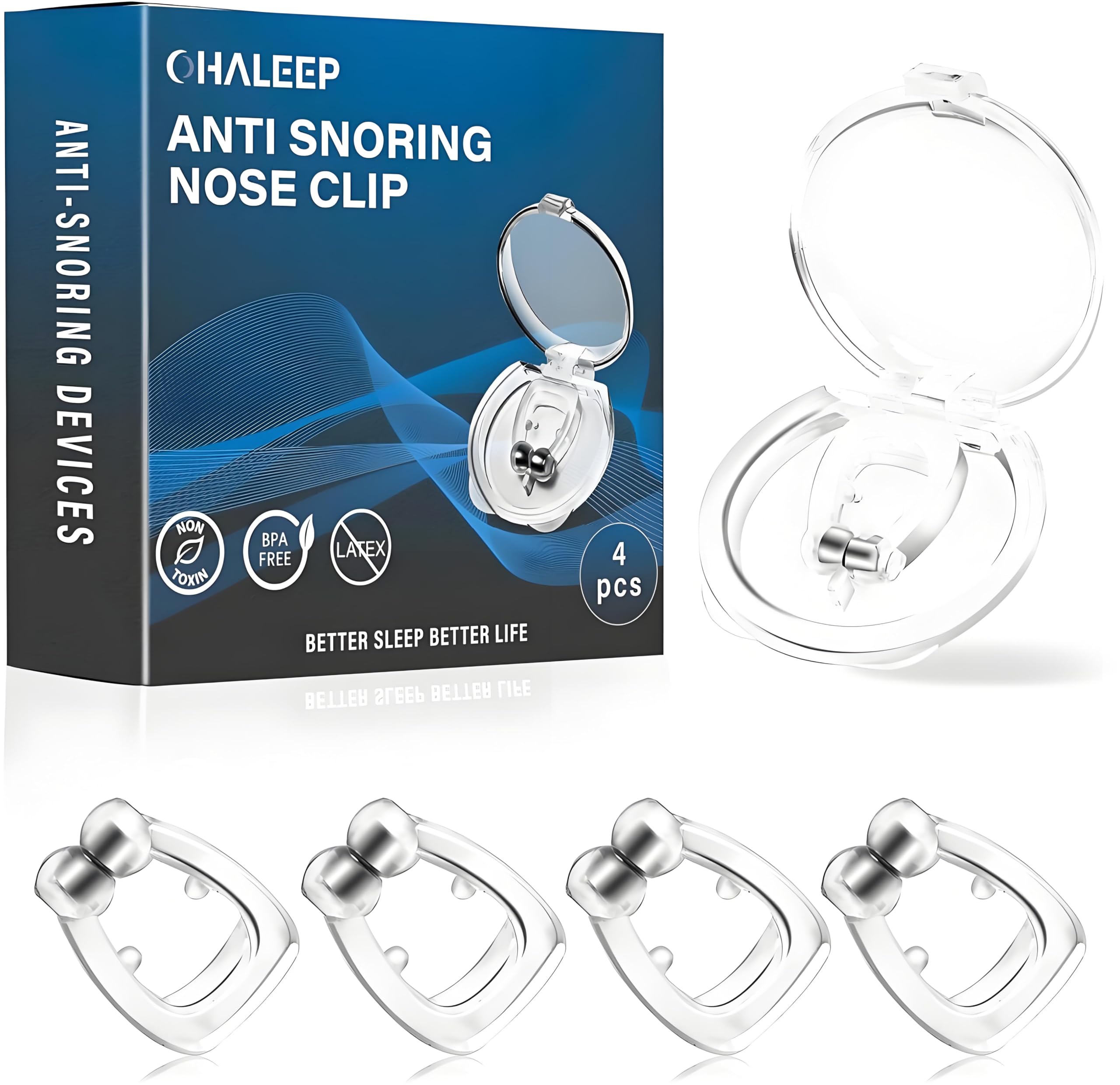
Snoring arises from disrupted airflow during sleep, a physiological process influenced by multiple anatomical and lifestyle factors. The vibration of throat tissues, caused by partially obstructed air passages, produces the characteristic sound. While often dismissed as a minor inconvenience, chronic snoring can signal underlying health risks, including sleep apnea and cardiovascular diseases. This section explores the mechanisms behind snoring, its common causes, and the associated health implications, supported by medical research and statistical data.
Physiological Mechanisms of Snoring

Snoring occurs due to the narrowing or collapse of the upper airway during sleep, leading to turbulent airflow and tissue vibrations. Key factors include relaxation of throat muscles, particularly the tongue and soft palate, which obstruct the airway. The position of the tongue, often retreating backward, exacerbates this obstruction. Additionally, nasal congestion or structural abnormalities, such as a deviated septum, restrict airflow further. Studies indicate that vibrational snoring—where tissues flap against each other—is the most common type, accounting for over 70% of cases, while positional snoring is influenced by sleep posture, particularly side-sleeping versus back-sleeping.
The Bernoulli effect plays a critical role: as airflow speeds up through a narrowed passage, pressure drops, causing surrounding tissues to collapse inward. This phenomenon is more pronounced in individuals with reduced muscle tone during REM sleep, where muscles are naturally more relaxed. Research published in the Journal of Clinical Sleep Medicine highlights that menopause in women and aging in men further reduce muscle strength, increasing snoring severity.
Common Causes of Snoring
Snoring is multifactorial, with causes ranging from lifestyle choices to anatomical structures. Below are the primary contributors, supported by epidemiological data:
Table of Contents
- Understanding Snoring: Causes, Symptoms, and Health Implications
- Physiological Mechanisms of Snoring
- Common Causes of Snoring
- Health Risks Associated with Chronic Snoring
- Comparing Mild vs. Severe Snoring Symptoms
- Top-Rated Snore Stoppers: Products and Solutions for Effective Relief in 2024
- Categorization of Snore Stoppers: Anti-Snoring Mouthpieces, Nasal Strips, Throat Sprays, and Positional Therapy
- Mandibular Advancement Devices (MADs) and Tongue-Retaining Devices (TRDs): Mechanism and Effectiveness
- Over-the-Counter (OTC) vs. Prescription Snore Stoppers: Cost, Accessibility, and Efficacy
- Comparison of Top 5 Snore Stoppers in 2024
- Natural and Lifestyle Remedies to Reduce Snoring: Holistic Approaches for Quieter Sleep
- Dietary Adjustments to Minimize Snoring
- Throat and Airway Strengthening Exercises
- Sleep Hygiene Strategies to Reduce Snoring
- Weight Management and Regular Exercise for Airway Patency
- Hydration and Throat Lubrication for Improved Airflow
- Obesity and Excess Weight Excess fat, particularly around the neck, increases airway resistance. Studies show that neck circumference over 17 inches (43 cm) in men and 16 inches (41 cm) in women correlates with a higher risk of snoring (American Journal of Respiratory and Critical Care Medicine). Obesity also elevates visceral fat, which presses on the diaphragm, further restricting breathing.
- Alcohol and Sedative Consumption Alcohol depresses the central nervous system, reducing muscle tone in the throat by up to 30% within two hours of consumption (Sleep Medicine Reviews). Even moderate intake—such as two alcoholic drinks—can trigger snoring in susceptible individuals. Sedatives and antihistamines have similar effects, worsening airway obstruction.
- Nasal Congestion and Structural Issues Chronic nasal congestion, due to allergies or infections, forces mouth breathing, drying throat tissues and increasing snoring. Nasal valve collapse or a deviated septum affects 40% of chronic snorers, according to the American Academy of Otolaryngology. Enlarged adenoids or turbinates further narrow air passages.
- Sleep Position Sleeping on the back (supine position) allows the tongue and soft palate to fall backward, obstructing the airway. Research indicates that side sleeping reduces snoring by 50% in positional snorers (Journal of Sleep Research). Pillows or devices designed to prevent back-sleeping can mitigate this issue.
- Smoking and Airway Irritation Smoking increases mucus production and inflammation in the upper airway, contributing to snoring. A study in Chest found that current smokers are 2.5 times more likely to snore chronically compared to non-smokers, partly due to reduced ciliary function in the respiratory tract.
- Hormonal Imbalances Testosterone levels in men and estrogen fluctuations in women (e.g., during menopause) influence muscle relaxation and fat distribution. Postmenopausal women experience a 30% increase in snoring risk, linked to reduced estrogen’s protective effect on airway muscles (Menopause Journal).
Health Risks Associated with Chronic Snoring
Beyond disrupting sleep for bed partners, chronic snoring is linked to serious medical conditions, including sleep apnea, hypertension, and cognitive decline. The American Academy of Sleep Medicine classifies snoring as a red flag for obstructive sleep apnea (OSA), where breathing repeatedly stops and starts. Below are key health implications:
- Obstructive Sleep Apnea (OSA) OSA affects 22 million Americans, with 80% of moderate to severe cases undiagnosed (National Institutes of Health). Snoring combined with gasping or choking episodes suggests OSA, where apnea events (breathing cessations) can occur 30 or more times per hour, severely disrupting oxygen levels.
- Cardiovascular Diseases Chronic snoring increases blood pressure due to sympathetic nervous system activation, raising the risk of hypertension, stroke, and heart failure. A study in Hypertension found that untreated OSA patients have a 40% higher risk of cardiovascular events compared to non-snorers.
- Type 2 Diabetes and Metabolic Syndrome Poor sleep quality from snoring disrupts glucose metabolism, increasing insulin resistance. Research in Diabetes Care shows that chronic snorers have a 37% higher risk of developing type 2 diabetes, independent of obesity.
- Cognitive Impairment and Dementia Sleep fragmentation from snoring accelerates beta-amyloid plaque buildup, a hallmark of Alzheimer’s disease. A longitudinal study in Neurology found that middle-aged snorers had a 2.5 times higher risk of dementia in later life.
- Reduced Quality of Life and Mental Health Daytime fatigue and irritability from poor sleep contribute to depression and anxiety. The Journal of Sleep Medicine reports that 45% of chronic snorers exhibit symptoms of clinical depression, linked to sleep deprivation and low oxygen saturation.
Comparing Mild vs. Severe Snoring Symptoms
Snoring severity varies widely, influencing both symptom frequency and health risks. The table below contrasts mild snoring (typically benign) with severe snoring (often indicative of underlying conditions):
| Symptom Indicator | Mild Snoring | Severe Snoring | ||||||||||||||||||||
|---|---|---|---|---|---|---|---|---|---|---|---|---|---|---|---|---|---|---|---|---|---|---|
| Frequency | Occasional, primarily during certain sleep positions or after alcohol. | Nightly, persistent across all sleep positions and times. | ||||||||||||||||||||
| Loudness | Moderate, audible but not disruptive to others. | Loud and disruptive, often described as "loud as a chainsaw" or "heard through walls." | ||||||||||||||||||||
| Daytime Fatigue | Minimal, occasional tiredness without significant impairment. | Severe, leading to falling asleep during work, accidents, or chronic exhaustion. | ||||||||||||||||||||
| Associated Symptoms | None or minor (e.g., occasional morning dry mouth). |
|
||||||||||||||||||||
| Health Risks | Generally low; may indicate early-stage OSA or lifestyle factors. |
|
||||||||||||||||||||
| Diagnostic Need | Usually not required unless symptoms persist or worsen. | Polysomnography (
Top-Rated Snore Stoppers: Products and Solutions for Effective Relief in 2024Snoring disrupts sleep quality for both individuals who experience it and their bed partners, often signaling underlying respiratory or anatomical issues. Addressing snoring requires targeted solutions tailored to its root causes, ranging from mild airflow obstructions to more severe sleep apnea conditions. In 2024, advancements in medical technology and consumer health products have expanded options for snore stoppers, from over-the-counter (OTC) devices to prescription-grade therapies. This section explores the most effective products and solutions available, categorized by their mechanisms of action, efficacy, and suitability for different snoring severity levels.Categorization of Snore Stoppers: Anti-Snoring Mouthpieces, Nasal Strips, Throat Sprays, and Positional TherapySnore stoppers can be broadly classified into four primary categories, each addressing distinct physiological triggers of snoring. Anti-snoring mouthpieces, including mandibular advancement devices (MADs) and tongue-retaining devices (TRDs), physically reposition the jaw or tongue to maintain open airways. Nasal strips and dilators improve nasal airflow by mechanically widening nasal passages, while throat sprays reduce inflammation and irritation in the upper respiratory tract. Positional therapy devices, such as wedge pillows or snore-stop shirts, prevent side-sleeping—a common snoring trigger by encouraging a supine or semi-reclined position. The choice of solution depends on the snoring cause, user comfort, and long-term adherence. For example, individuals with anatomical obstructions (e.g., enlarged tonsils, deviated septum) may benefit more from MADs, whereas those with nasal congestion might find relief with nasal strips. Throat sprays are often used as short-term remedies for occasional snoring, while positional therapy suits those whose snoring is position-dependent.Mandibular Advancement Devices (MADs) and Tongue-Retaining Devices (TRDs): Mechanism and EffectivenessMandibular advancement devices (MADs) and tongue-retaining devices (TRDs) are the most clinically studied anti-snoring mouthpieces, often recommended for mild to moderate obstructive sleep apnea (OSA) or primary snoring. These devices work by physically repositioning the lower jaw (mandible) or tongue to prevent airway collapse during sleep. How MADs Work: MADs consist of two connected acrylic trays that fit over the upper and lower teeth. When worn, they gently push the lower jaw forward, increasing the space behind the tongue and soft palate. This adjustment reduces vibrations in the throat, which are the primary cause of snoring sounds. Studies, including a 2022 meta-analysis published in the Journal of Clinical Sleep Medicine, report that MADs reduce snoring by 50–70% in compliant users, with effectiveness improving with proper fit and consistent use. How TRDs Work: Tongue-retaining devices (TRDs) use a suction-like mechanism to hold the tongue in a forward position, preventing it from blocking the airway. These devices are less common than MADs but may be preferable for individuals who cannot tolerate jaw advancement. Research in Sleep Medicine Reviews (2021) indicates TRDs can reduce snoring by 30–50%, though they may cause discomfort or gagging in some users due to their placement at the back of the mouth. Effectiveness Rates and Considerations:Key Insight: MADs are the gold standard for oral snore stoppers, but their success hinges on proper sizing and user adherence. TRDs serve as an alternative for those who cannot use MADs but may require an adjustment period. Over-the-Counter (OTC) vs. Prescription Snore Stoppers: Cost, Accessibility, and EfficacyThe decision between OTC and prescription snore stoppers depends on snoring severity, budget, and accessibility to healthcare providers. OTC solutions are immediately available, cost-effective, and suitable for mild snoring, while prescription options offer higher efficacy for moderate to severe cases but require medical consultation. Over-the-Counter (OTC) Snore Stoppers:Comparison of Top 5 Snore Stoppers in 2024Selecting the right snore stopper involves evaluating price, material, user ratings, and key features. Below is a side-by-side comparison of five top-rated products in 2024, based on expert reviews, clinical studies, and consumer feedback.
|
Leave a Comment
Comments are moderated before appearing. The data you submit is processed according to the Privacy Policy of Scopitones.