What Does Turning Tricks Mean Exploring Versatile Phrase Origins
"Turning tricks" is a phrase that dances across languages, cultures, and contexts—yet its meaning remains as slippery as the illusions it often describes. From the dazzling acrobatics of a circus trapeze artist to the razor-sharp political maneuvering in boardrooms, the term encapsulates both physical prowess and metaphorical cunning. But where did this phrase originate, and why does it carry such divergent weight? Beyond its controversial associations, "turning tricks" has evolved into a celebration of skill, creativity, and adaptability, whether in the hands of a street magician or the strategies of a corporate executive. Unpacking its layers reveals a tapestry woven through history, performance, and even everyday language.
The phrase’s journey begins in the shadowy realms of circus tents and street corners, where performers relied on sleight of hand and daring feats to captivate audiences. Over time, it seeped into sports arenas, martial arts dojos, and even business lexicons, each domain reshaping its definition. Today, "turning tricks" can signify everything from a skateboarder’s gravity-defying flip to a politician’s calculated rhetoric. Yet, beneath its surface versatility lies a common thread: the art of mastering an element—whether physical, psychological, or strategic—to leave an audience breathless. This exploration dives into the phrase’s roots, its modern manifestations, and the cultural nuances that continue to redefine its meaning.
Understanding the Core Meaning of "Turning Tricks"

The phrase "turning tricks" carries a layered history, evolving from literal physical performances to metaphorical and often controversial usages. Its origins are deeply intertwined with human creativity, deception, and cultural exchange—spanning circus spectacles, street magic, and even stigmatized professions. While the term has been widely associated with prostitution due to its negative connotations, its broader applications in sports, martial arts, and business reveal a richer, more versatile linguistic legacy. To dissect its meaning, we must examine its etymology, contextual interpretations, and regional adaptations, as well as its role as a metaphor in modern discourse.
Etymological Roots and Historical Contexts
The phrase "turning tricks" first emerged in 17th-century England, where the word "trick" referred to a clever or deceitful maneuver, often tied to entertainment or deception. By the 18th and 19th centuries, it became closely linked to street performers, acrobats, and circus acts, where "turning" implied executing a series of skilled movements or illusions. The term gained further notoriety in the Victorian era, when it was co-opted into slang referring to prostitution, likely due to the transactional nature of both performances and sex work. This duality—between artistry and exploitation—has shaped its ambiguous reputation.
Historical records from London’s underground theater scenes and American vaudeville shows document performers described as "turning tricks" to highlight their ability to execute complex routines, such as juggling, sleight of hand, or contortionism. Meanwhile, in brothels and red-light districts, the phrase took on a derogatory tone, reflecting societal moral judgments. By the early 20th century, its usage in literature (e.g., D.H. Lawrence’s Lady Chatterley’s Lover) and film noir further cemented its association with both underground entertainment and illicit activities.
Linguistic Breakdown: "Turning" and "Tricks" in Context
To fully grasp the phrase’s versatility, we must analyze its component words—"turning" and "tricks"—across different domains.
Table of Contents
- Understanding the Core Meaning of "Turning Tricks"
- Etymological Roots and Historical Contexts
- Linguistic Breakdown: "Turning" and "Tricks" in Context
- Non-Sexual Applications of "Turning Tricks"
- Comparative Analysis: "Turning Tricks" Across Domains
- Turning Tricks in Performance Arts: Circus, Magic, and Street Shows
- Physical and Technical Mastery in Circus Performances
- Sleight-of-Hand and the Psychology of Misdirection in Magic
- Street Performers: The Art of Turning Tricks Under Unpredictable Conditions
- Comparison of Three Performance Art Forms: Circus, Magic, and Breakdancing
- Turning Tricks in Sports and Martial Arts: Skill, Strategy, and Showmanship
- Technical Terminology in Sports: Decoding the Language of Tricks
- Side-by-Side Comparison of Tricks in Action Sports
- Martial Arts and the Duality of Functional and Aesthetic Tricks
- "Turning" suggests movement, rotation, or execution, often implying precision, repetition, or fluidity. In physical contexts, it evokes images of dancers spinning, martial artists performing kata, or athletes executing drills. Metaphorically, it can describe strategic shifts (e.g., a politician "turning tricks" to gain votes) or technical maneuvers (e.g., a hacker "turning tricks" to bypass security). - "Tricks" encompasses deception, skill, or novelty, ranging from illusions (magic) to tactics (business). In sports, a "trick play" refers to an unconventional strategy; in gaming, it denotes a cheat or exploit. The word also carries pejorative weight when tied to exploitation, as seen in phrases like "turning tricks for money."
The combination "turning tricks" thus blends action (turning) with technique or subterfuge (tricks), creating a phrase adaptable to both physical and abstract contexts.
Non-Sexual Applications of "Turning Tricks"
Beyond its controversial associations, the phrase thrives in neutral or positive contexts, particularly in performance arts, sports, and competitive fields. Below are key domains where it retains a skill-focused, non-stigmatized meaning:
- Circus and Street Performance Here, "turning tricks" describes acrobatic feats, juggling, or sleight-of-hand routines. Performers like Penn & Teller or street magicians in cities such as Las Vegas or London’s Covent Garden are often said to "turn tricks" to showcase their expertise. The term emphasizes mastery over physical or mental dexterity, devoid of moral judgment.
- Martial Arts and Dance In disciplines like breakdancing, capoeira, or parkour, athletes "turn tricks" to demonstrate agility, creativity, and technical precision. For example, a breakdancer’s "windmill" or a capoeira roleta (backflip kick) are considered "tricks" that require years of practice. Similarly, in ballet or contemporary dance, complex spins and lifts are framed as "turning tricks" to highlight artistic execution.
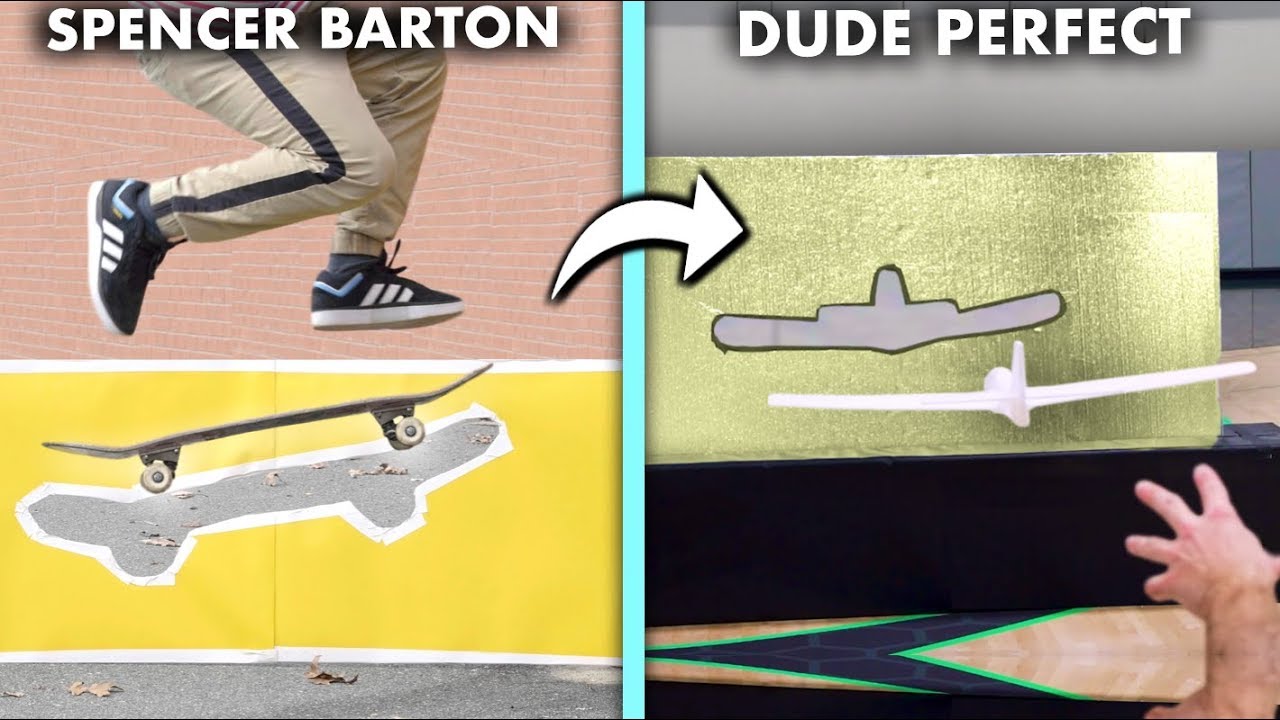
- Sports and Extreme Athletics Sports like skateboarding, freestyle motocross, or parkour use the term to describe stunts or maneuvers. A skateboarder landing a "tre flip" or a motocross rider performing a "backflip" is "turning tricks" to push physical limits. Even in team sports, terms like "trick plays" (e.g., football’s "flea flicker") refer to unpredictable tactics designed to outmaneuver opponents.
- Technology and Gaming In programming and cybersecurity, "turning tricks" can describe coding exploits, hacking techniques, or debugging strategies. For instance, a developer might say, "He turned a few tricks to optimize the algorithm." In video games, "tricks" refer to cheat codes, glitches, or advanced controls, such as "turning tricks in Mario Kart to gain speed."
- Business and Corporate Strategy Executives and entrepreneurs use the phrase to describe innovative tactics or market maneuvers. A startup might "turn tricks" to disrupt an industry, while a salesperson could "turn tricks" to close deals through unconventional methods. The term here implies creativity within ethical or legal boundaries.
Comparative Analysis: "Turning Tricks" Across Domains
The phrase’s meaning varies significantly depending on the context. Below is a comparative table illustrating its usage in circus arts, street performing, and modern slang, with historical and contemporary examples:
| Domain | Definition | Historical Roots | Modern Usage | Notable Examples | |||||||||||||||
|---|---|---|---|---|---|---|---|---|---|---|---|---|---|---|---|---|---|---|---|
| Circus Arts | A performer executes physical stunts, illusions, or acrobatics as part of a structured act. |
|
|
|
|||||||||||||||
| Street Performing | An informal, often improvised act involving magic, comedy, or physical comedy to engage audiences. |
|
|
|
|||||||||||||||
| Modern Slang |
Sleight-of-Hand and the Psychology of Misdirection in MagicMagic transforms the ordinary into the extraordinary through sleight-of-hand, a craft where precision and psychology intertwine. Unlike circus arts, which rely on physical prowess, magic hinges on deception, misdirection, and audience engagement. A magician’s "tricks" are not just technical feats but psychological puzzles designed to exploit cognitive blind spots. The process begins with preparation, where every element—from prop selection to stage setup—serves a purpose. For instance, a coin vanishing act may involve: 1. The Palm: Concealing the coin in the magician’s hand while appearing empty. 2. The Switch: Secretly transferring the coin to a different hand or location using ambidexterity or false moves. 3. Misdirection: Using verbal cues ("Look at my left hand") or physical gestures to divert attention from the true action. David Blaine, a modern magic prodigy, credits his success to subconscious manipulation, stating: > "The audience doesn’t see what you do; they see what you want them to see. It’s about creating a narrative in their minds before the trick even happens." Advanced magicians, such as Dynamo or Shin Lim, incorporate mechanical devices (e.g., hidden compartments in props) and psychological principles like inattentional blindness—where the brain filters out irrelevant stimuli. For example, during a levitation act, the magician may:Street Performers: The Art of Turning Tricks Under Unpredictable ConditionsStreet performances epitomize the raw, improvisational spirit of turning tricks, where performers rely on charisma, adaptability, and sheer skill to earn applause—and sometimes, their livelihood. Unlike circus or magic acts, which are often rehearsed in controlled environments, street artists operate in public spaces, facing challenges like weather, distracted audiences, and competition. Their "tricks" range from breakdancing, fire breathing, to living statues, each requiring a unique skill set and survival strategy. Breakdancers, for example, combine acrobatics, rhythm, and storytelling into fluid, high-energy routines. A typical performance includes:Comparison of Three Performance Art Forms: Circus, Magic, and BreakdancingThe following table contrasts circus, magic, and breakdancing—three disciplines where turning tricks plays a central role—highlighting their skill requirements, equipment, audience interaction, and cultural significance.
|
Leave a Comment
Comments are moderated before appearing. The data you submit is processed according to the Privacy Policy of Scopitones.