What Are The Eligibility Criteria For Youtube Shorts Creator Program Explained
YouTube Shorts has reshaped digital content creation by offering creators a fast-track to visibility and revenue, but accessing its monetization benefits demands meeting precise criteria. Since its 2020 launch, Shorts has evolved from a TikTok-inspired experiment into a cornerstone of YouTube’s strategy, now driving over 50 billion daily views. Unlike traditional long-form videos, Shorts thrives on brevity and algorithmic favoritism, rewarding creators who master engagement in under 60 seconds. Yet, behind the viral potential lies a structured eligibility framework that separates aspiring creators from those poised for profit.
The YouTube Shorts Creator Program acts as a gateway to monetization, but its requirements extend beyond subscriber counts to encompass watch time consistency, content compliance, and technical standards. Creators who transition from long-form videos to Shorts often face a steep learning curve, balancing algorithmic demands with audience retention. This guide dissects the program’s core criteria—from subscriber thresholds to revenue-sharing mechanics—while addressing common pitfalls that derail approval. Real-world examples reveal how top creators leverage Shorts to amplify their reach, turning fleeting trends into sustainable income streams.
Understanding YouTube Shorts and Its Creator Program
YouTube Shorts represents a pivotal evolution in the platform’s strategy to compete with short-form video dominance while maintaining its core long-form content ecosystem. Launched in 2020 as a direct response to the rise of TikTok and Instagram Reels, Shorts has transformed from a secondary feature into a cornerstone of YouTube’s growth, now accounting for over 50% of total watch time on the platform. Unlike traditional long-form videos, Shorts prioritizes brevity—videos under 60 seconds—designed for quick consumption, vertical viewing, and algorithmic amplification. This shift reflects YouTube’s dual approach: retaining creators reliant on long-form content while tapping into the explosive growth of short-form engagement. The YouTube Shorts Creator Program formalizes this integration, offering creators incentives to adapt their strategies while aligning with YouTube’s broader monetization and discovery goals.
The program’s significance lies in its ability to democratize content creation, reducing barriers for creators to gain visibility and revenue. By leveraging Shorts, creators can access YouTube’s vast user base—2.5 billion monthly active users—without the need for lengthy content. This section explores the program’s mechanics, its alignment with YouTube’s ecosystem, and how it reshapes creator monetization strategies.

Evolution of YouTube Shorts and Key Updates Since Launch
YouTube Shorts emerged from YouTube’s experimental phase called "YouTube Shorts Beta", initially tested in India in 2020 before expanding globally in March 2021. The feature was designed to replicate the addictive, scroll-based experience of TikTok and Reels while keeping users within YouTube’s ecosystem. Key updates since its launch have refined its functionality, monetization, and algorithmic prioritization, reflecting YouTube’s iterative approach to short-form video.
A timeline of critical milestones includes: - September 2020: Limited rollout in India as "Shorts Beta," focusing on vertical, short-form videos with a 15-second cap. - March 2021: Global launch with a 60-second limit, integration with the YouTube home feed, and the introduction of the "Shorts Fund"—a $100 million pool to reward creators for high-performing content. - November 2021: Expansion of the Shorts Fund to $100 million annually, with payouts based on performance metrics like views and watch time. - February 2022: Introduction of monetization for Shorts, allowing creators with 1,000 subscribers and 10 million Shorts views in 90 days to earn revenue through ads. - July 2022: Removal of the 60-second cap, extending Shorts to up to 2 minutes, aligning with Reels’ 90-second limit. - March 2023: Launch of the YouTube Shorts Partner Program (YSPP), replacing the Shorts Fund and introducing ad-sharing revenue for eligible creators. - September 2023: Integration of Shorts into the YouTube Studio analytics dashboard, providing detailed performance metrics like completion rate, average watch time, and traffic sources. - January 2024: Expansion of monetization eligibility to include creators with 1,000 subscribers and 10 million Shorts views in 60 days (reduced from 90 days), alongside the addition of Shorts shelf in the YouTube app for discoverability.
Table of Contents
- Understanding YouTube Shorts and Its Creator Program
- Evolution of YouTube Shorts and Key Updates Since Launch
- Breakdown of the YouTube Shorts Creator Program
- Comparative Analysis: YouTube Shorts vs. Traditional Videos vs. TikTok/Reels
- Core Eligibility Criteria for Joining the YouTube Shorts Creator Program
- Subscriber Count Requirements and Exceptions
- Viewership Thresholds and Watch Time Metrics
- Content Guidelines and Prohibited Material
- Decision Tree: Assessing Eligibility for the YouTube Shorts Creator Program
- Step-by-Step: How to Apply and Get Approved for the YouTube Shorts Creator Program
- Pre-Application Checklist: Preparing Your Channel for Approval
- Navigating the Application Process in YouTube Studio
- Common Rejection Reasons and How to Address Them
- Troubleshooting Common Application Issues
- Leveraging YouTube’s Creator Support Resources
- Monetization and Financial Benefits of the YouTube Shorts Creator Program
- Revenue-Sharing Model for YouTube Shorts
- Estimated Earnings Ranges by Channel Size
- Comparison of Monetization Methods in the Shorts Ecosystem
- Maximizing Shorts Revenue Through Strategic Optimization
These updates demonstrate YouTube’s commitment to refining Shorts as a standalone revenue stream while ensuring seamless integration with long-form content. The shift from the Shorts Fund to the YouTube Shorts Partner Program (YSPP) in 2023 marked a significant pivot, transitioning from fixed payouts to ad-based revenue sharing, similar to traditional YouTube monetization.
Breakdown of the YouTube Shorts Creator Program
The YouTube Shorts Creator Program serves as a bridge between YouTube’s traditional monetization framework and the short-form video boom. Its primary purpose is to reward creators for producing engaging Shorts content, incentivizing participation in the format while aligning with YouTube’s goal of retaining users within its ecosystem. The program offers three core benefits: - Monetization through ads: Creators earn a share of ad revenue generated from Shorts views, similar to long-form videos. - Exclusive features: Access to Shorts analytics, early testing of new features, and priority support. - Discovery and growth tools: Integration with YouTube’s recommendation algorithm, increasing visibility for high-performing Shorts.
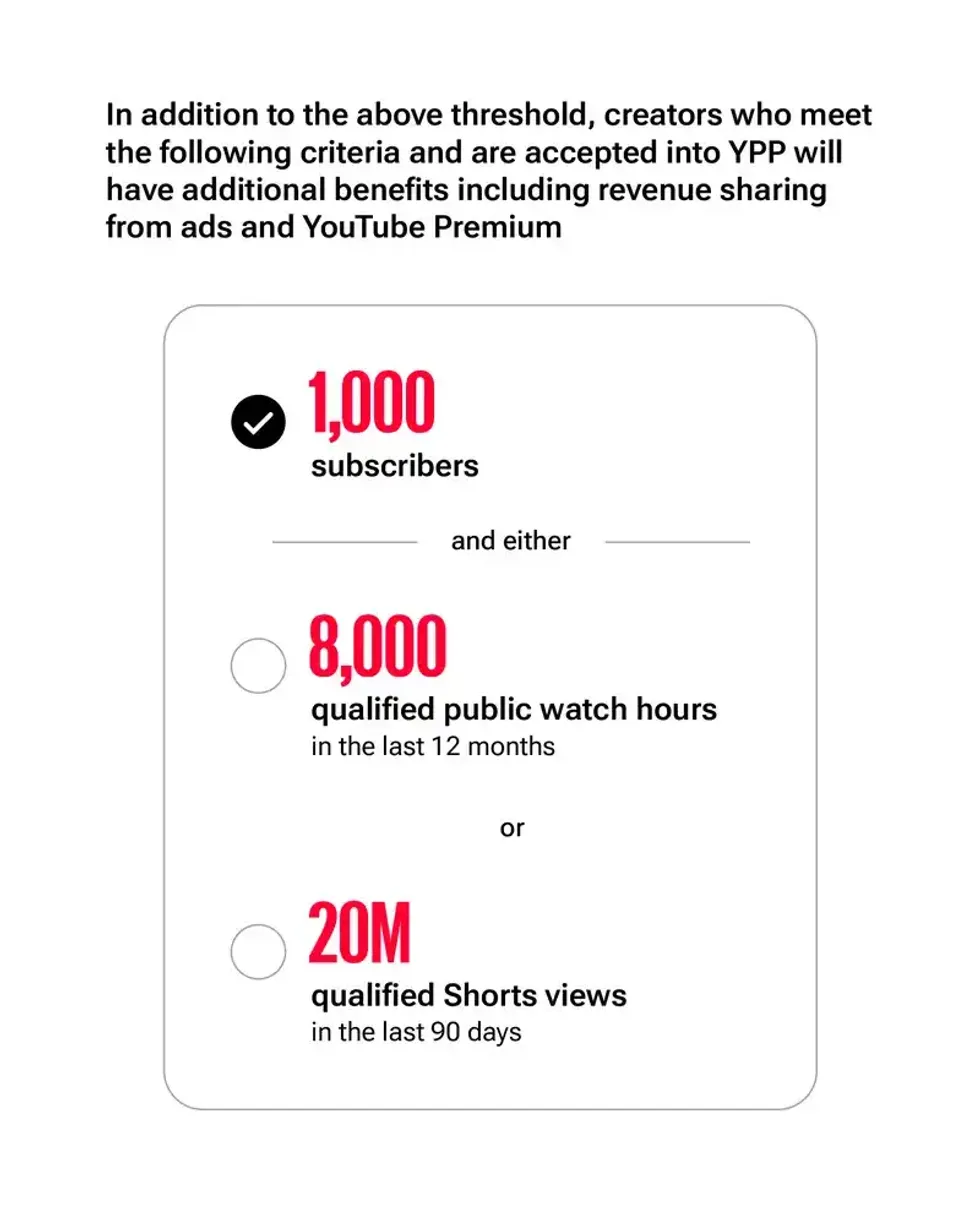
The program’s eligibility criteria have evolved to reflect YouTube’s expanding ambitions: - Initial requirements (2022–2023): 1,000 subscribers and 10 million Shorts views in 90 days. - Updated requirements (2024): 1,000 subscribers and 10 million Shorts views in 60 days, along with compliance with YouTube’s Community Guidelines and monetization policies.
This reduction in the view threshold from 90 to 60 days signals YouTube’s push to accelerate creator adoption, recognizing the format’s role in driving both engagement and long-term retention. The program also aligns with YouTube’s broader strategy to reduce reliance on third-party platforms like TikTok, offering creators an alternative to migrate their audiences while maintaining monetization opportunities.
Comparative Analysis: YouTube Shorts vs. Traditional Videos vs. TikTok/Reels
Understanding the distinctions between YouTube Shorts, traditional long-form videos, and competitors like TikTok and Instagram Reels is critical for creators optimizing their strategies. Below is a comparative table highlighting key differences in upload limits, monetization, algorithmic prioritization, and engagement metrics:
| Feature | YouTube Shorts | Traditional YouTube Videos | TikTok/Reels |
|---|---|---|---|
| Upload Limits | Up to 2 minutes (vertical, mobile-first) | Up to 12 hours (horizontal or vertical, desktop/mobile) | TikTok: Up to 10 minutes (vertical)Reels: Up to 90 seconds (vertical) |
| Monetization Thresholds | 1,000 subscribers + 10M Shorts views in 60 days (ad-sharing) | 1,000 subscribers + 4,000 watch hours in 12 months (AdSense) | TikTok: Creator Fund ($10K/month, 10K followers + 100K views)Reels: No direct monetization (relies on IG Creator Fund) |
| Algorithm Prioritization | High priority in home feed, Shorts shelf, and search; favors high retention and completion rates | Prioritized based on watch time, engagement, and subscriber growth; less immediate than Shorts | TikTok: For You Page (FYP) algorithm drives discovery; prioritizes virality and watch timeReels: Similar to TikTok but with Instagram’s engagement metrics |
| Engagement Metrics | Completion rate, average watch time, shares, and likes; views from Shorts shelf | Watch time, likes, comments, shares, and subscriber growth | TikTok: Watch time, shares, comments, and completion rateReels: Similar to TikTok, with emphasis on saves and shares |
| Cross-Platform Integration | Seamless integration with Community Tab, Memberships, Super Chats, and long-form content | Standalone but can link to Shorts, playlists, and external sites | Limited integration; TikTok/Reels content often redirects users externally |
| Discovery Tools | Shorts shelf, home feed, search suggestions, and YouTube Premium recommendations | Search, suggested videos, subscriptions, and YouTube Premium | TikTok: FYP, hashtag challenges, and creator duetsReels: Explore page, Reels tab, and hashtags |
This comparison underscores YouTube Shorts’ strategic advantages, particularly its integration with
Core Eligibility Criteria for Joining the YouTube Shorts Creator Program
The YouTube Shorts Creator Program serves as a gateway for creators to monetize their short-form content, but eligibility hinges on a combination of quantitative metrics, content compliance, and technical standards. Understanding these criteria—particularly subscriber thresholds, watch time benchmarks, and content guidelines—is essential for creators aiming to transition from organic growth to monetization. YouTube’s algorithmic evaluations and manual reviews further refine eligibility, ensuring only channels that meet both performance and policy requirements gain access. Below is a detailed breakdown of the core eligibility criteria, structured to clarify requirements, exceptions, and best practices for aspiring Shorts creators.
Subscriber Count Requirements and Exceptions
YouTube mandates a minimum subscriber count of 1,000 for eligibility in the Shorts Creator Program, a threshold designed to filter channels that demonstrate sustained audience engagement. This requirement aligns with broader YouTube Partner Program (YPP) standards, ensuring creators have a baseline level of influence and reach. However, exceptions exist for new channels or those with verified accounts, though these are rarely documented publicly. Verified accounts—typically associated with public figures, brands, or organizations—may bypass subscriber checks if they meet alternative criteria, such as high engagement rates or official partnerships.
For channels approaching the 1,000-subscriber mark, consistency in subscriber growth becomes critical. YouTube’s system tracks subscriber trends over the past 90 days, favoring channels with steady, organic growth rather than artificial spikes. Channels that experience sudden subscriber surges (e.g., due to viral content or promotional campaigns) may face scrutiny during the review process. Additionally, channels with fewer than 1,000 subscribers but high watch time or engagement might still qualify if they meet other eligibility metrics, though this is not officially guaranteed.
Key Insight: Subscriber count is a minimum gatekeeper, not the sole determinant. Channels with 1,000+ subscribers but low engagement risk rejection, while those nearing the threshold with strong watch time may still qualify.
Viewership Thresholds and Watch Time Metrics
Watch time and engagement metrics are the backbone of Shorts eligibility, as YouTube prioritizes content that retains viewers and drives long-term retention. The program evaluates three primary metrics: 1. Average Watch Time per Short: Creators must demonstrate that viewers watch at least 50% of each Short they upload. This is measured over the past 180 days, with YouTube’s algorithm averaging retention across all Shorts. 2. Total Watch Time: Channels need to accumulate at least 10 million Shorts watch time in the last 90 days. This metric is cumulative and includes views from both Shorts and long-form content. 3. Consistency in Uploads: Uploading at least 3 Shorts per week for the past 3 months signals active participation, though this is not a strict rule. Inconsistent uploaders may still qualify if their existing Shorts perform exceptionally well.
YouTube’s Analytics dashboard provides granular insights into these metrics under the "Shorts" tab, where creators can track: - Watch time per view (target: >50% retention). - Average view duration (measured in seconds). - Traffic sources (e.g., YouTube home feed, Shorts shelf, search).
Formula for Eligibility: Total Watch Time (90 days) ≥ 10,000,000 seconds AND Average Retention Rate ≥ 50%
Gray Areas in Viewership Tracking: - Algorithm Adjustments: YouTube’s algorithm may temporarily exclude certain traffic sources (e.g., external embeds) from watch time calculations. - New vs. Established Creators: Channels with rapid growth may qualify faster if their Shorts gain traction quickly, whereas established creators with lower engagement might face delays. - Seasonal Trends: Holiday periods or viral challenges can skew watch time data, potentially accelerating or delaying eligibility for some creators.
Content Guidelines and Prohibited Material
Adherence to YouTube’s Community Guidelines and Shorts-specific policies is non-negotiable for program eligibility. Violations—even unintentional—can result in immediate disqualification or strikes. Below are the core content restrictions and best practices for compliance:
- Copyrighted Material YouTube’s Content ID system automatically flags Shorts using copyrighted music, clips, or trademarks without proper licensing. Creators must:
- Use YouTube’s Audio Library or licensed royalty-free music.
- Apply fair use sparingly, with clear transformative context (e.g., commentary, parody).
- Avoid unauthorized use of brand logos, characters, or proprietary assets.
- Misleading or Deceptive Content Shorts with clickbait thumbnails, titles, or descriptions—such as exaggerated claims ("You Won’t Believe #5!"), misleading edits, or fake sponsorships—violate YouTube’s policies. Examples of prohibited tactics include:
- Thumbnail bait-and-switch: Showing a product in the thumbnail that isn’t in the Short.
- False urgency: "Last Chance!" or "Limited Time Only!" for non-exclusive offers.
- Deepfake or AI-manipulated content without disclosure.
- Safety and Harmful Content Shorts must not:
- Promote dangerous acts (e.g., challenges involving physical harm).
- Include graphic violence or gore without age restrictions.
- Feature hate speech, harassment, or discriminatory content.
- Exploit minors or depict child endangerment.
- Medical or Financial Misinformation Claims about health cures, financial schemes, or conspiracy theories require verified sources and disclaimers. YouTube may manually review Shorts in these categories.
Best Practices for Approval: - Disclose sponsorships with clear "#Ad" or "#Sponsored" tags. - Use accurate captions to avoid misleading interpretations. - Avoid rapid cuts or jump cuts that distort context (e.g., editing out crucial details). - Test Shorts with YouTube’s Policy Simulator (available in Creator Studio) to pre-check compliance.
Pro Tip: YouTube’s Shorts-specific review team prioritizes channels that demonstrate transparency, creativity, and audience trust. Shorts with high engagement but policy violations may still be monetized but could face ad revenue deductions or demonetization.
Decision Tree: Assessing Eligibility for the YouTube Shorts Creator Program
Use the following flowchart to evaluate your channel’s readiness. This tool combines subscriber, watch time, and compliance factors to provide a clear eligibility assessment.
-
Subscriber Check
- Do you have ≥1,000 subscribers?
- Yes → Proceed to watch time evaluation.
- No → Focus on organic growth strategies (e.g., collaborations, SEO-optimized thumbnails). Monitor trends for potential exceptions (e.g., verified accounts).
-
Watch Time and Retention
- Have you accumulated ≥10M Shorts watch time in 90 days?
- Yes → Check average retention rate (≥50%) in YouTube Analytics.
- No → Optimize Shorts for higher retention (e.g., hooks in first 3 seconds, clear CTAs). Upload consistently (3+ Shorts/week) to accelerate growth.
-
Upload Consistency
- Have you uploaded Shorts regularly for ≥3 months?
- Yes → Proceed to compliance review.
- No → Increase upload frequency or batch-record Shorts in advance to meet the 3-month consistency requirement.
-
Content Compliance
- Do your Shorts comply with YouTube’s Community Guidelines and Shorts policies?
- Yes → Submit for review via YouTube Partner Center.
- No → Audit Shorts using YouTube’s Policy Simulator. Remove or edit non-compliant content before reapplying.
-
Technical Requirements
- Do your Shorts meet minimum technical standards (see next section)? <
- Profile Picture and Banner: Use high-resolution, recognizable visuals that reflect the channel’s niche or personal brand. Avoid generic or low-quality images.
- About Section: Clearly articulate the channel’s purpose, target audience, and content focus. Include keywords related to Shorts topics to improve discoverability.
- Channel Trailer or Introduction Video: A concise trailer (under 30 seconds) introduces viewers to the channel’s identity and content style, reinforcing brand consistency. Ensuring Compliance with YouTube’s Policies Policy violations are a leading cause of application rejections. Creators must:
- Review YouTube’s Community Guidelines: Focus on restrictions related to copyright, misleading content, harassment, and hate speech.
- Resolve Copyright Strikes or Claims: Any unresolved copyright issues must be addressed before applying. Use YouTube’s copyright manager to dispute claims or obtain necessary licenses.
- Avoid Misleading Metadata: Ensure titles, descriptions, and tags accurately represent the content to prevent policy flags. Building a Portfolio of Shorts Content A strong portfolio demonstrates the creator’s ability to produce engaging Shorts. Key considerations include:
- Consistency in Upload Schedule: Maintain a regular posting schedule (e.g., daily or weekly) to signal reliability to YouTube’s algorithm.
- Content Diversity: Include a mix of trending topics, tutorials, storytelling, and entertainment to showcase versatility.
- Engagement-Driven Content: Prioritize Shorts with high retention rates, as YouTube’s algorithm favors content that keeps viewers watching.
- Hashtag Strategy: Use relevant and trending hashtags (e.g., #ShortsChallenge, #ViralTrends) to increase visibility and engagement.
- Channel Details: Provide accurate information about the channel, including its creation date, niche, and target audience.
- Content Portfolio: YouTube may request a link to a curated playlist of Shorts or a summary of the channel’s top-performing videos.
- Additional Verification: Some regions or channels may need to submit tax or business registration documents, especially for monetization purposes. Completing Verification Steps Verification ensures the channel’s legitimacy and compliance. Steps typically include:
- Email Verification: Confirm ownership of the channel’s email address linked to YouTube.
- Phone Number Verification: Provide a valid phone number for two-factor authentication and notifications.
- Identity Verification (if required): Upload a government-issued ID for channels in certain regions or for age-restricted content.
- Issue: YouTube prioritizes channels that demonstrate commitment through regular uploads. Irregular posting can signal a lack of dedication.
- Solution: Establish a consistent upload schedule (e.g., daily or bi-weekly) and stick to it for at least 30 days before reapplying. Use YouTube Studio’s analytics to track upload frequency and adjust as needed. Low Watch Time or High Bounce Rates
- Issue: Shorts with low retention rates or high bounce rates indicate poor engagement, which may disqualify the channel.
- Solution:
- Optimize Thumbnails and Titles: Use eye-catching thumbnails and compelling titles to increase click-through rates.
- Analyze Audience Retention: Review YouTube Studio’s retention graphs to identify where viewers drop off and refine content accordingly.
- Leverage Trends: Align Shorts with trending audio, challenges, or topics to boost initial engagement. Policy Violations
- Issue: Copyright strikes, community guideline violations, or repeated claims can automatically disqualify an application.
- Solution:
- Resolve All Strikes: Use YouTube’s copyright dispute process or obtain proper licensing for copyrighted material.
- Review Content for Compliance: Audit recent uploads for violations such as misleading thumbnails, hate speech, or harassment.
- Appeal if Necessary: If a strike was issued in error, submit an appeal through YouTube’s copyright center.
- Possible Causes: High application volume, verification backlogs, or incomplete submissions.
- Solutions:
- Check Submission Status: Ensure all required fields (e.g., channel details, portfolio links) are accurately filled.
- Follow Up via Email: If stuck for over 30 days, contact YouTube Support (template provided below) with your channel name, application date, and any error messages.
- Reapply if Necessary: If no response after 60 days, withdraw the application and resubmit with updated documentation. False Eligibility Errors
- Possible Causes: YouTube’s system may misinterpret channel metrics (e.g., watch time, subscriber count) due to data lags or algorithm updates.
- Solutions:
- Verify Metrics Manually: Cross-check YouTube Studio analytics with the eligibility criteria (e.g., 10,000 watch hours in 90 days, 1,000 subscribers).
- Request a Manual Review: Email YouTube Support with screenshots of your analytics to confirm eligibility. Example: > "My channel [Name] meets the Shorts Program criteria (10,000+ watch hours in the last 90 days, 1,000+ subscribers), but the system indicates I’m ineligible. Could you review my application manually? Attached are screenshots of my analytics." Account Restrictions Affecting Approval
- Possible Causes: Suspended accounts, policy strikes, or monetization holds can block access to the Shorts Program.
- Solutions:
- Appeal Restrictions: Use YouTube’s appeal process for suspended accounts or strikes. Provide evidence of compliance (e.g., edited content, policy explanations).
- Wait for Lifts: Some restrictions (e.g., ad revenue holds) may require a waiting period. Monitor updates in YouTube Studio.
- Reapply After Resolution: Once restrictions are lifted, reapply and ensure all criteria are met.
- YouTube Help Center: Offers FAQs, troubleshooting guides, and direct links to contact support. Search for keywords like "Shorts Program rejection" or "application delay."
- Creator Forums: Engage with other creators in the YouTube Creator Forum to share experiences and solutions. Topics often include:
- "Shorts Program Approval Delays in [Region]" (e.g., India, Brazil).
- "How to Fix False Eligibility Errors" with step-by-step fixes.
- *"Policy
- Ad format: Non-skippable ads generate higher RPM than skippable ones, as they guarantee full viewership.
- Audience demographics: Regions with higher ad spend (e.g., the U.S., UK, or Australia) yield better RPM than emerging markets.
- Content performance: Shorts with higher watch time, shares, and likes trigger more ad impressions, indirectly boosting revenue.
- YouTube Premium revenue: Creators earn a share of Premium subscription fees when Shorts viewers are Premium members, though this is a smaller portion compared to ad revenue.
- Small channels rely heavily on viral potential and niche-specific ad rates (e.g., finance or tech Shorts may earn more than general entertainment).
- Mid-sized channels benefit from consistent uploads and algorithm favorability, with some creators earning $1,000–$3,000/month from Shorts alone.
- Large channels (e.g., MrBeast, Emma Chamberlain) report six-figure annual earnings from Shorts, often surpassing long-form ad revenue due to higher view counts.
- Prioritize non-skippable ads: These generate higher RPM but may reduce viewer retention. Balance by placing them after the hook (first 3–5 seconds) to minimize drop-offs.
- Avoid ad-heavy Shorts: YouTube may demonetize or reduce RPM for Shorts with excessive ads (e.g., every 2 seconds).
- Test different ad lengths: Some niches (e.g., cooking, DIY) tolerate 15-second ads, while others (e.g., comedy) perform better with 5-second overlays. 2. Leveraging YouTube Premium Revenue
- Create Premium-friendly content: Shorts with longer watch time (e.g., storytelling, tutorials) increase the likelihood of Premium views.
- Track Premium analytics: Use YouTube Studio to monitor Premium watch time and adjust content accordingly.
- Combine with long-form videos: Premium members who watch Shorts are 3x more likely to watch long-form content, boosting
Step-by-Step: How to Apply and Get Approved for the YouTube Shorts Creator Program
Applying for the YouTube Shorts Creator Program requires strategic preparation to meet eligibility criteria and navigate the application process efficiently. Creators must optimize their channels, ensure compliance with platform policies, and build a strong portfolio of Shorts content before submission. The approval process involves accessing YouTube Studio, submitting necessary documentation, and undergoing verification. Understanding common rejection reasons and leveraging YouTube’s support resources significantly increases the likelihood of success. Community engagement also plays a critical role, as metrics like watch time, likes, and shares directly influence eligibility.Pre-Application Checklist: Preparing Your Channel for Approval
Before initiating the application, creators must complete a series of preparatory steps to align with YouTube’s expectations. These steps ensure that the channel meets the technical, content, and policy requirements for the Shorts Creator Program. Below is a structured checklist to guide creators through the preparation phase. Optimizing Channel Branding for Professionalism and Recognition A well-branded channel enhances credibility and aligns with YouTube’s emphasis on professionalism. Key elements include:Navigating the Application Process in YouTube Studio
Once the channel is prepared, creators can proceed to apply for the YouTube Shorts Creator Program through YouTube Studio. This section provides a detailed walkthrough of the application process, including accessing the program, submitting documentation, and completing verification steps. Accessing the Shorts Program in YouTube Studio 1. Log in to YouTube Studio: Navigate to YouTube Studio and select the channel associated with the Shorts content. 2. Locate the Shorts Program Section: In the left-hand menu, scroll to the "Shorts" tab or search for "Shorts Program" in the "Monetization" or "Features" section. 3. Initiate the Application: Click on "Join the Shorts Program" or a similar prompt. YouTube may display a pop-up or redirect to a dedicated application page. Submitting Required DocumentationCommon Rejection Reasons and How to Address Them
Even after thorough preparation, applications may be rejected due to specific issues. Understanding these reasons allows creators to rectify problems before reapplying. Below are the most frequent causes of rejection and actionable solutions. Inconsistent Upload SchedulesTroubleshooting Common Application Issues
Delays or errors during the application process can be frustrating, but many issues have straightforward solutions. Below is a troubleshooting guide for frequently encountered problems. Pending Review Status DelaysLeveraging YouTube’s Creator Support Resources
YouTube provides multiple support channels to assist creators during the application process. Utilizing these resources can resolve issues faster and improve the chances of approval. Help Center and ForumsMonetization and Financial Benefits of the YouTube Shorts Creator Program
The YouTube Shorts Creator Program transforms short-form video content into a viable revenue stream, offering creators an alternative monetization pathway alongside traditional long-form videos. Unlike conventional YouTube monetization, which relies heavily on ad revenue from watch time, Shorts introduces a distinct revenue-sharing model tailored to the fast-paced, engaging nature of vertical video. Creators participating in the program can earn through ad placements, Super Chats during live streams, and auxiliary benefits like channel memberships—each with unique eligibility criteria and optimization strategies. Understanding these financial mechanisms is critical for maximizing earnings, as factors such as audience demographics, ad formats, and content performance significantly influence payouts. Below is a detailed breakdown of how Shorts monetization functions, including revenue-sharing structures, earnings benchmarks across channel sizes, and actionable tactics to enhance profitability.Revenue-Sharing Model for YouTube Shorts
YouTube Shorts employs a revenue-sharing model distinct from long-form video ads, prioritizing shorter, high-engagement content while adjusting for viewing behavior. Unlike traditional ads served on long-form videos (e.g., skippable pre-roll, mid-roll, or display ads), Shorts ads are primarily non-skippable, mid-roll banners or overlay ads that appear between Shorts. These ads are optimized for mobile viewing, where attention spans are shorter, and interruptibility is higher. The Revenue Per 1,000 Views (RPM) for Shorts varies widely based on ad format, audience location, and content niche, but estimates typically range between $1 to $10 per 1,000 views for most creators. In contrast, long-form videos often achieve $3 to $20 RPM, depending on factors like ad load and audience demographics. Shorts RPM is influenced by:Key Insight: Shorts monetization prioritizes volume and engagement over traditional watch time metrics. A Short with 100,000 views may generate less revenue than a long-form video with 10,000 views if the latter has higher RPM due to niche-specific advertisers.
Estimated Earnings Ranges by Channel Size
Earnings from Shorts vary dramatically based on subscriber count, content consistency, and audience engagement. Below are real-world earnings examples categorized by channel size, derived from creator testimonials and industry reports (as of 2023). These figures are estimates and can fluctuate based on external factors like ad market trends.
Notes on Earnings Variability:Channel Size Views per Short (Avg.) Monthly Shorts Uploads Estimated Monthly Revenue (Shorts Ads) Total Annual Revenue Potential Small (10K–50K subs) 5,000–20,000 10–15 $50–$300 $600–$3,600 Mid-sized (50K–500K subs) 50,000–500,000 15–25 $500–$5,000 $6,000–$60,000 Large (500K+ subs) 500,000–5M+ 25–50 $5,000–$50,000+ $60,000–$600,000+ Creator Spotlight: A mid-sized gaming channel with 150K subscribers reported earning $2,800/month from Shorts after uploading 20 Shorts weekly, averaging 80,000 views per video. Their RPM hovered around $4–$6, driven by a U.S.-based audience.
Comparison of Monetization Methods in the Shorts Ecosystem
Shorts creators can diversify income beyond ad revenue through Super Chats, Memberships, and Super Stickers, each with distinct eligibility and optimization requirements. Below is a comparison of these methods:
Strategic Insight: Super Chats and Memberships are highly dependent on audience loyalty, making them ideal for creators with engaged communities. Shorts ad revenue, however, scales with view count, making it the most accessible monetization method for new creators.Monetization Method Eligibility Criteria Estimated Earnings Range Best Practices for Optimization Shorts Ad Revenue Enrolled in YouTube Partner Program (YPP) and Shorts Fund/Creator Program. $1–$10 RPM (varies by region/niche). Upload 3–5 Shorts daily, use trending audio, and post during peak hours (7–11 PM local time). Super Chats (Live Streams) 1,000+ subscribers, live streaming enabled, and YPP eligibility. $1–$5 per chat (viewer pays $1–$50). Promote live streams via Shorts teasers, engage with chat early, and offer exclusive Q&As. Super Stickers Same as Super Chats, but stickers are smaller donations ($0.20–$5 per sticker). $0.20–$5 per sticker (lower than Super Chats). Encourage viewers to use stickers for reactions (e.g., "Love this Short!" sticker). Channel Memberships 1,000+ subscribers, YPP, and memberships enabled. Memberships tied to Shorts traffic can boost retention. $4.99–$49.99/month (YouTube takes 30% cut). Offer exclusive Shorts behind-the-scenes content or early access to new Shorts for members. YouTube Premium Revenue Shorts viewed by Premium members (passive income). $0.01–$0.03 per Premium view (small but scalable). Create high-retention Shorts (e.g., tutorials, storytelling) to increase Premium watch time. Maximizing Shorts Revenue Through Strategic Optimization
Creators can enhance Shorts earnings by leveraging ad placement strategies, Premium revenue, and cross-promotion. Below are actionable tactics to improve profitability: 1. Ad Placement and Format SelectionJoining YouTube’s Shorts Creator Program is not merely about meeting numerical benchmarks; it’s a strategic pivot toward a content ecosystem where speed and engagement dictate success. Creators who optimize for watch time, refine their upload cadence, and align with YouTube’s evolving policies stand to unlock a secondary revenue stream that complements traditional ad earnings. The program’s eligibility criteria, though rigorous, serve as a roadmap for those willing to adapt—transforming sporadic viral moments into a calculable, scalable business. With the right approach, Shorts can redefine a creator’s trajectory, bridging the gap between niche appeal and mainstream monetization.
Leave a Comment
Comments are moderated before appearing. The data you submit is processed according to the Privacy Policy of Scopitones.