What Are The Eligibility Criteria For YouTube Shorts Creator Program
YouTube Shorts has reshaped digital content creation by offering a fast-track to visibility, but unlocking its monetization remains a puzzle for many creators. With over 50 billion daily views, Shorts has become a battleground where algorithmic favoritism and creator strategy collide. Unlike traditional long-form videos, Shorts thrive on brevity, engagement, and viral potential, yet YouTube’s eligibility criteria for monetization—often overlooked—serve as the gatekeeper to turning passion into profit.
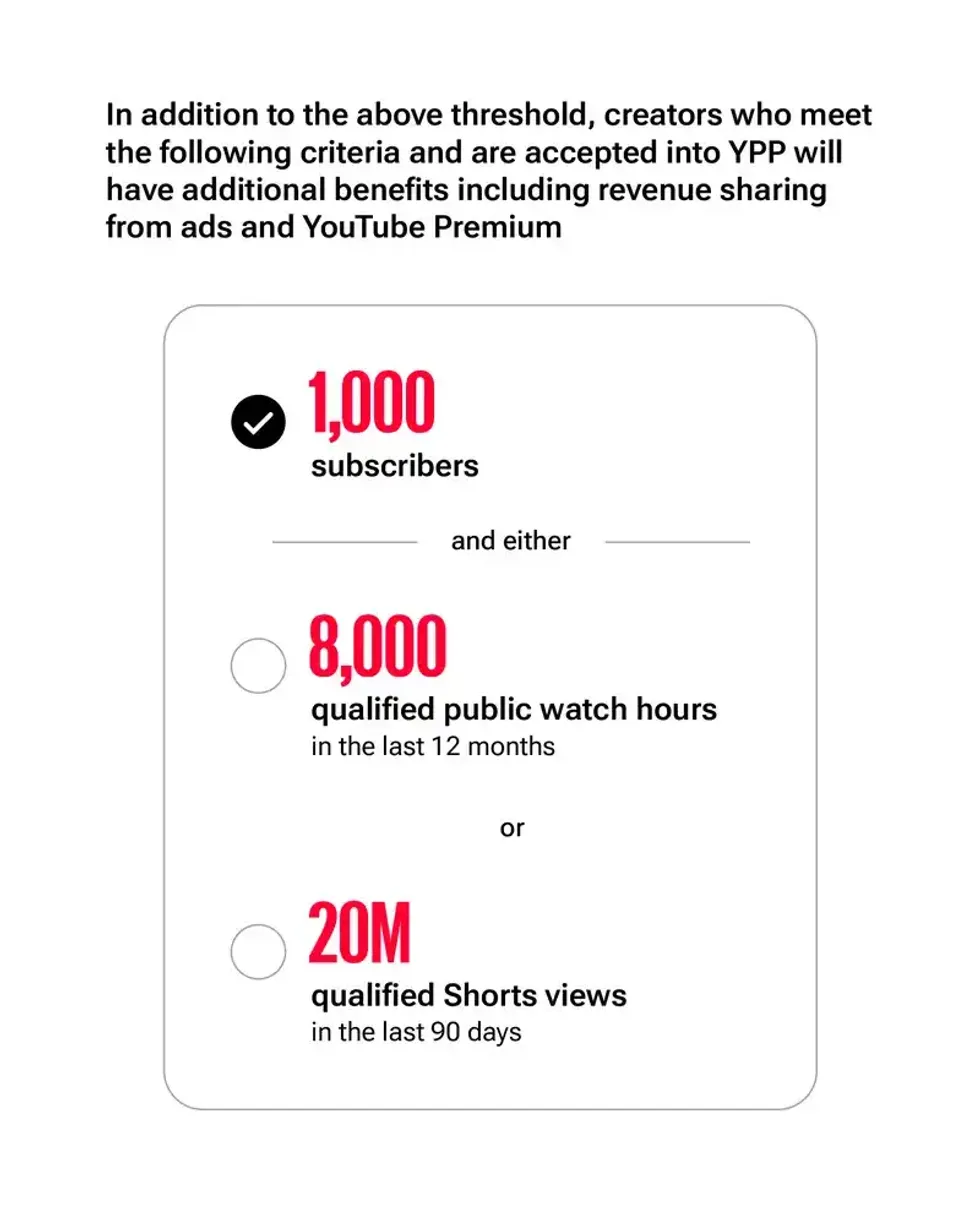
The path to earning through Shorts demands more than just creative flair; it requires a deep understanding of YouTube’s evolving policies, watch time metrics, and niche-specific trends. From the 1,000-subscriber threshold to the 10,000 valid public watch hours rule, each requirement reflects YouTube’s push to balance creator rewards with platform sustainability. Meanwhile, regional restrictions, copyright compliance, and algorithmic favoritism add layers of complexity, forcing creators to adapt or risk being left behind in the race for monetization.
Understanding YouTube Shorts and Its Creator Program
YouTube Shorts emerged as a direct response to the explosive growth of short-form video content on platforms like TikTok and Instagram Reels, positioning itself as a tool for creators to compete in the rapidly evolving digital content landscape. Launched in 2020, Shorts capitalized on the demand for bite-sized, engaging videos while integrating seamlessly into YouTube’s existing ecosystem. Unlike traditional long-form content, Shorts prioritizes accessibility, algorithmic reach, and monetization opportunities tailored for creators who thrive in fast-paced, high-engagement environments. Its significance lies in democratizing content creation, allowing even niche creators to gain visibility without relying solely on organic search or long-term audience growth. The platform’s vertical video format, combined with features like auto-play, shareability, and algorithmic promotion, has redefined how creators monetize their work and scale their reach.
The core features of YouTube Shorts—such as its 60-second maximum duration, vertical orientation, and integration with YouTube’s existing monetization infrastructure—distinguish it from traditional content formats. Shorts leverages YouTube’s robust algorithm to surface content based on watch time, engagement (likes, comments, shares), and viewer retention, often prioritizing it over standard videos in the "Shorts" tab and even in search results. This algorithmic favoritism creates a feedback loop where creators who consistently produce high-performing Shorts see accelerated growth, indirectly boosting their eligibility for monetization programs like the YouTube Partner Program (YPP). Unlike TikTok or Instagram Reels, Shorts benefits from YouTube’s established creator tools, including analytics, copyright management, and direct integration with the YouTube Studio dashboard, making it a more cohesive platform for serious content creators.

Evolution of YouTube Shorts and Its Role in YouTube’s Ecosystem
YouTube Shorts did not emerge in isolation but evolved through a series of strategic updates designed to counter the rise of competing short-form platforms. Its development can be traced back to YouTube’s early experiments with vertical video formats, culminating in the official launch of Shorts in September 2020. The platform’s growth was further propelled by the introduction of the YouTube Shorts Fund in 2021, which allocated $100 million to reward creators based on Shorts performance metrics such as watch time and engagement. This fund served as a temporary incentive to encourage creators to transition to the format, while also signaling YouTube’s long-term commitment to short-form content.
A critical milestone in Shorts’ evolution was the monetization expansion in 2022, where YouTube began allowing creators to earn revenue from Shorts through the YouTube Partner Program (YPP). Unlike the Shorts Fund, which was a one-time payout, YPP integration provided a sustainable income stream tied to ad revenue, memberships, and Super Chats—mirroring the monetization model of traditional YouTube videos. Policy updates, such as the removal of the 100,000-subscriber requirement for Shorts monetization (replaced by a focus on watch time and engagement), further lowered the barrier to entry, enabling micro-creators to benefit from the platform’s growth.
Table of Contents
- Understanding YouTube Shorts and Its Creator Program
- Evolution of YouTube Shorts and Its Role in YouTube’s Ecosystem
- Comparison of YouTube Shorts with Other Short-Form Platforms
- YouTube Partner Program (YPP) and Its Indirect Impact on Shorts Monetization
- Step-by-Step Eligibility Criteria for YouTube Shorts Monetization
- Minimum Requirements for Shorts Monetization
- Understanding Valid Public Watch Hours for Shorts
- Technical Requirements for Shorts Monetization
- Comparison: Shorts Monetization vs. Traditional Long-Form Video Criteria
The psychological and strategic appeal of Shorts lies in its ability to compress content creation into high-impact, low-effort formats. Creators in niches like comedy, fitness, and tutorials can produce Shorts in minutes, yet reach millions of viewers due to YouTube’s algorithmic amplification. The platform’s cross-promotion features, such as the ability to share Shorts to Instagram or TikTok, also expand a creator’s audience beyond YouTube’s ecosystem. This dual strategy—maximizing internal reach while leveraging external platforms—has made Shorts a cornerstone of modern content strategy.
"YouTube Shorts is designed to reward creators for their creativity and effort by providing a direct path to monetization and global reach. Our goal is to empower creators of all sizes to thrive in the short-form video space while maintaining the integrity of their content." — YouTube Official Statement, 2023
This statement underscores YouTube’s dual objectives: supporting creator growth and competing with rival platforms by offering a seamless, monetizable short-form experience. The implications for eligibility criteria are clear—creators must prioritize engagement-driven content (watch time, shares, likes) over traditional metrics like subscriber count, as these factors now dictate access to monetization and program perks.
Comparison of YouTube Shorts with Other Short-Form Platforms
While YouTube Shorts shares similarities with TikTok and Instagram Reels, its integration with YouTube’s broader infrastructure provides unique advantages for creators. Below is a structured comparison highlighting key differences in monetization, algorithmic reach, and creator tools:
| Feature | YouTube Shorts | TikTok | Instagram Reels |
|---|---|---|---|
| Monetization Model | Ad revenue (YPP), Shorts Fund (discontinued for new creators), Super Thanks, Channel Memberships. Requires 1,000 subscribers and 10M Shorts views in 90 days (or 4,000 watch hours in the past 12 months). | Creator Fund (invitation-only), brand deals, TikTok Live gifts. Requires 10,000 followers and 100,000 views in 30 days. | No direct monetization; relies on external links (e.g., Patreon, Ko-fi) or brand partnerships. No formal eligibility criteria for creator payments. |
| Algorithmic Reach | Prioritized in the "Shorts" tab, search results, and "Home" feed. Watch time and engagement (likes, shares, comments) are primary ranking factors. | For You Page, Discover, and "For You" feed. Watch time, completion rate, and user interactions drive visibility. | Explore page, Reels tab, and "For You" feed. Engagement rate and follower interactions influence reach. |
| Content Ownership & Tools | Integrated with YouTube Studio (analytics, copyright management, community tabs). Ability to repurpose Shorts into full-length videos. | Separate from TikTok Business Suite; limited analytics for non-pro accounts. Content ownership disputes handled via TikTok’s internal system. | Linked to Instagram Business; basic analytics available. No direct monetization tools; relies on Instagram’s creator resources. |
| Cross-Platform Promotion | Can be shared to Instagram, TikTok, and other platforms via YouTube’s share feature. Embeddable on external websites (e.g., blogs, news sites). | Native sharing to Instagram, Twitter, and WhatsApp. Limited embeddability outside TikTok’s ecosystem. | Seamless integration with Instagram Stories and Explore. Can be shared to Facebook but with reduced reach. |
| Eligibility for Creator Programs | YPP eligibility tied to Shorts performance (views, watch time) and traditional metrics (subscribers, watch hours). No strict subscriber threshold for Shorts-specific monetization. | Creator Fund requires consistent performance (views, engagement) over time. TikTok Creator Next offers higher payouts but with stricter eligibility. | No native monetization; creators must rely on external platforms or brand deals. Instagram’s Affiliate Marketing Program requires 1,000 followers. |
The table reveals that YouTube Shorts offers the most comprehensive monetization and toolset integration, particularly for creators already embedded in YouTube’s ecosystem. Unlike TikTok or Instagram, Shorts does not silo creators into a separate platform, allowing them to leverage existing subscriber bases and long-form content to amplify Shorts performance. This hybrid approach reduces the risk of audience fragmentation, making Shorts an ideal choice for creators seeking scalability without platform dependency.
YouTube Partner Program (YPP) and Its Indirect Impact on Shorts Monetization
The YouTube Partner Program (YPP) serves as
Step-by-Step Eligibility Criteria for YouTube Shorts Monetization
YouTube Shorts monetization transforms short-form video content into a revenue-generating asset, but eligibility hinges on meeting specific, structured criteria. Unlike traditional long-form video monetization, Shorts introduces unique thresholds—such as watch time calculations tailored to vertical content and stricter adherence to copyright policies. Understanding these requirements ensures creators can strategically align their content strategy to unlock monetization faster. Below is a detailed breakdown of the criteria, technical prerequisites, and regional considerations that determine whether a channel qualifies for Shorts monetization.
Minimum Requirements for Shorts Monetization
To qualify for the YouTube Shorts Fund or Shorts monetization through the YouTube Partner Program (YPP), creators must satisfy four core criteria, each designed to ensure content quality, engagement, and compliance. These requirements differ from traditional long-form video monetization, reflecting the unique dynamics of short-form content.
YouTube evaluates eligibility based on: 1. Channel Age and Subscriber Count - The channel must be at least 18 months old and hold 1,000 or more subscribers. - This threshold ensures creators have a consistent audience base and a history of content creation, reducing the risk of fleeting trends or low-retention content.
2. Watch Time Threshold - Creators must accumulate 10,000 valid public watch hours within the last 12 months. - Unlike long-form videos, where watch time is measured per video, Shorts watch time is calculated per viewer, meaning each viewer contributes proportionally based on their average watch duration. For example, a viewer who watches 30 seconds of a 15-second Short counts as 2x watch time, while a viewer who watches the entire Short counts as 1x.
3. Adherence to Policies - The channel must comply with YouTube’s Community Guidelines and monetization policies, including no active copyright strikes or claims in the past 90 days. - Content must also align with ad-friendly guidelines, prohibiting misleading thumbnails, excessive use of copyrighted music, or overly promotional material that may deter advertisers.
4. Shorts-Specific Activity - Creators must upload at least 3 Shorts in the last 90 days to demonstrate active participation in the Shorts ecosystem. - This requirement underscores YouTube’s emphasis on fostering a dedicated short-form content pipeline.
Note: Watch hours for Shorts are calculated differently than for long-form videos. Shorts watch time is derived from the average percentage of the Short watched per viewer, not the total duration. For instance, if 100 viewers watch 50% of a 10-second Short, that contributes 500 seconds (5 viewers × 10 seconds) of watch time.
Understanding Valid Public Watch Hours for Shorts
Watch time is the cornerstone of YouTube’s monetization eligibility, but its calculation for Shorts differs significantly from traditional videos. Understanding these nuances is critical for creators aiming to optimize their content strategy.
Exclusions from Watch Time Calculation: - Unlisted or private Shorts do not count toward public watch hours. - Age-restricted content (e.g., videos marked for viewers 18+) is excluded unless the viewer is logged in and meets the age requirement. - Shorts with copyright claims or strikes in the last 90 days invalidate watch time for those specific videos. - Views from unqualified regions (e.g., countries where Shorts monetization is unavailable) are not counted.
Key Factors in Watch Time Calculation: - Average View Duration: YouTube prioritizes engagement depth over sheer volume. A Short where viewers watch 80% of the content contributes more to watch time than one where they watch only 20%. - Repeat Views: Each unique viewer’s watch time is counted once per Short, even if they rewatch it multiple times within the same session. - Short Length: Since Shorts are capped at 60 seconds, longer watch durations (relative to the Short’s length) have a greater impact on eligibility.
Example Calculation: If a Short is 15 seconds long and 1,000 viewers watch it for an average of 10 seconds, the total watch time contributed is: 1,000 viewers × (10/15) × 15 seconds = 10,000 seconds (or ~2.78 hours). To reach 10,000 watch hours (~36 million seconds), creators must scale this engagement across multiple Shorts.
Technical Requirements for Shorts Monetization
Beyond watch time and subscriber counts, YouTube imposes technical and policy-based prerequisites to ensure Shorts monetization aligns with platform standards. Failure to meet these can result in delayed or denied eligibility.
Upload and Content Policies: - Minimum Shorts Uploads: Creators must upload at least 3 Shorts in the last 90 days to demonstrate active content creation. - Copyright Compliance: No copyright strikes or claims on the channel in the past 90 days. Even a single strike can disqualify a channel. - Ad-Friendly Content: Shorts must comply with YouTube’s advertiser-friendly content policies, which prohibit: - Misleading or clickbait thumbnails. - Excessive use of copyrighted music without proper licensing. - Overly promotional content (e.g., "Buy now" without educational or entertaining value). - Violent, graphic, or age-inappropriate material.
Channel Health Metrics: - Public Watch Hours: Must be earned from publicly available Shorts (excluding unlisted or private content). - Audience Retention: Shorts with higher average watch time percentages (e.g., 70%+ completion rate) contribute more significantly to eligibility. - Engagement Signals: Likes, comments, and shares on Shorts indirectly influence YouTube’s perception of content quality, though they are not direct eligibility factors.
Pro Tip: Use YouTube’s Analytics tab in Studio to track average watch time per Short. Shorts with >50% retention are more likely to contribute meaningfully to watch hours.
Comparison: Shorts Monetization vs. Traditional Long-Form Video Criteria
While Shorts and long-form videos share some eligibility overlaps—such as subscriber counts and policy compliance—they diverge in key areas, particularly watch time calculation and content format. Below is a comparative table highlighting the differences:
| Criteria | YouTube Shorts Monetization | Traditional Long-Form Video Monetization |
|---|---|---|
| Channel Age | 18+ months | 18+ months (or 1,000 subscribers + 4,000 watch hours in last 12 months for accelerated eligibility) |
| Subscriber Count | 1,000+ subscribers | 1,000+ subscribers |
| Watch Time Threshold | 10,000 valid public watch hours (calculated per viewer, not per video) | 4,000 watch hours (from public videos) or 10 million Shorts views (alternative path) |
| Content Format | Vertical, 60 seconds or less | Any length (up to 12 hours for uploads, 15 minutes for live streams) |
| Minimum Uploads | 3 Shorts in last 90 days | No strict minimum, but consistent uploads improve eligibility |
| Copyright Strikes | 0 strikes in last 90 days | 0 strikes in last 90 days |
| Ad-Friendly Content | Strict adherence (e.g., no misleading thumbnails, licensed music) | Ad-friendly policies apply, but less stringent for Shorts-specific rules |
| Monetization Path | Shorts Fund (payments) or YPP (ads) | Primarily YPP (ads, memberships, Super Chats) |
Key Takeaways: - Shorts require higher watch time thresholds (
Mastering YouTube Shorts monetization is not just about meeting technical benchmarks—it’s about strategically aligning content with audience behavior, algorithmic trends, and platform policies. Creators who leverage trending audio, optimize engagement signals, and maintain consistency stand the best chance of crossing the eligibility finish line. As Shorts continues to dominate the digital landscape, those who decode its criteria will not only unlock revenue streams but also secure a competitive edge in an increasingly crowded space. The journey from amateur to monetized creator begins with understanding the rules—and playing by them smarter.
Leave a Comment
Comments are moderated before appearing. The data you submit is processed according to the Privacy Policy of Scopitones.