I Still Know What You Did Last Summer Uncovered Beyond Horror Hype
I Still Know What You Did Last Summer burst onto screens in 1998 as more than just a slasher flick—it became a cultural phenomenon that redefined horror’s rules. Released at a time when the genre was dominated by self-aware thrillers like Scream and found-footage experiments like The Blair Witch Project, this film carved its own niche by blending teen angst with supernatural revenge, all while sparking debates that still echo today. Its box office success, viral marketing stunts, and controversial moments turned it into a blueprint for how horror could merge with pop culture, proving that fear and humor weren’t mutually exclusive.
The film’s legacy isn’t just about jump scares or campy dialogue; it’s a study in how guilt, fate, and consequences shape storytelling. From the psychological torment of its characters to the meticulous use of visual and auditory techniques, every frame was designed to unnerve audiences while leaving them questioning what they’d seen. Behind the scenes, production challenges—like the infamous dog scene—and creative constraints forced the team to innovate, resulting in effects that still hold up decades later. Meanwhile, fans dissected the film’s ambiguities, birthing theories that turned it into an endless source of speculation, from the ghost’s identity to the characters’ ultimate fates.

Cultural Impact and Legacy of I Still Know What You Did Last Summer
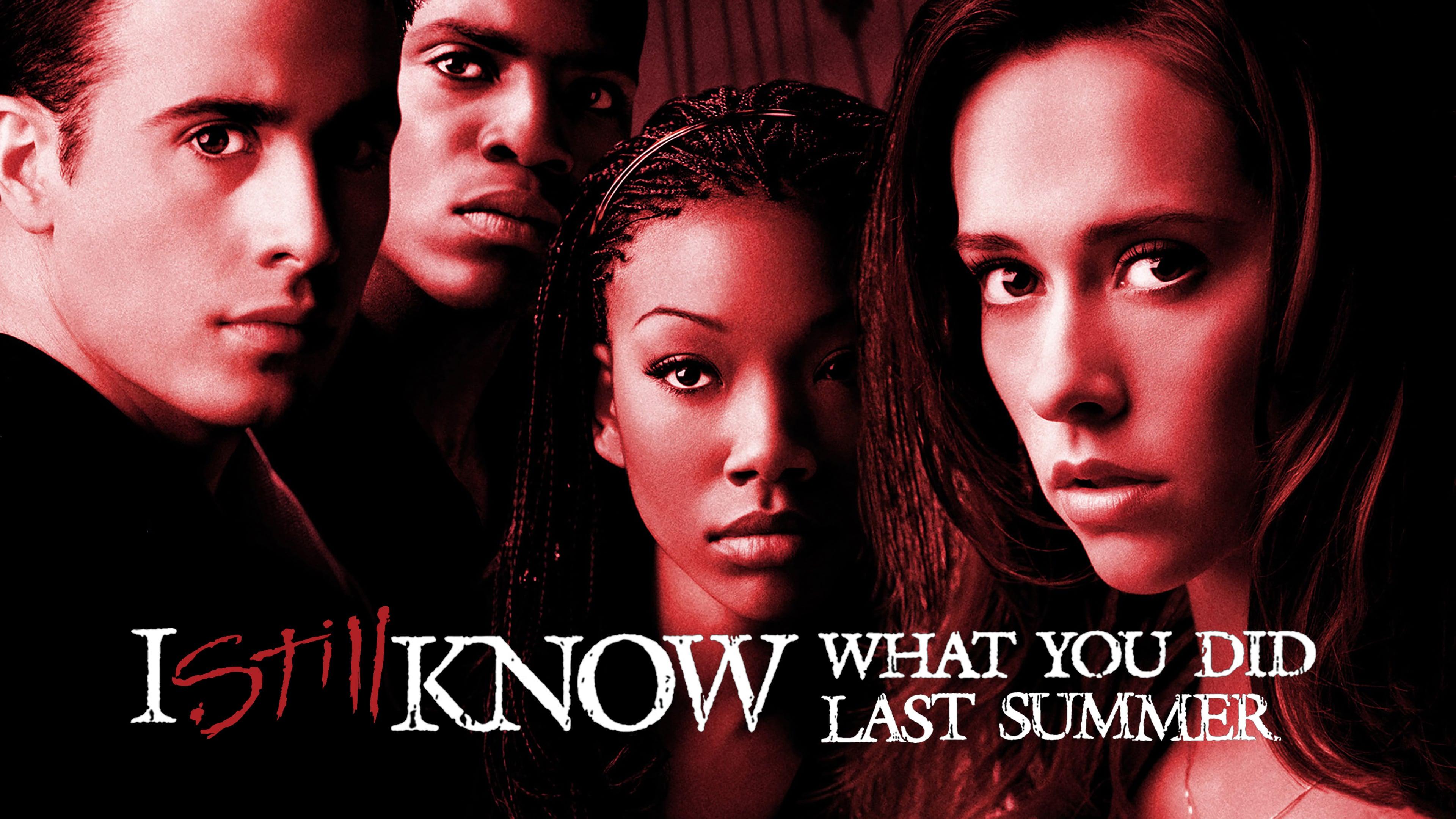
The 1998 slasher I Still Know What You Did Last Summer emerged as a defining entry in the horror genre’s late-'90s revival, blending dark humor, revenge themes, and a killer hook—literally. Upon release, the film became a box office sensation, grossing over $100 million worldwide against a modest $12 million budget, proving that horror could still captivate audiences with a mix of nostalgia and fresh twists. Critics initially dismissed it as a derivative Scream knockoff, yet its sharp marketing, viral buzz, and cult appeal transformed it into a phenomenon that transcended its initial reception. The film’s legacy lies not just in its box office success but in its enduring influence on horror tropes, its role in shaping internet culture, and its status as a "so-bad-it’s-good" classic that continues to inspire parodies and homages.
Initial Reception: Box Office Triumph and Critical Divide

I Still Know What You Did Last Summer debuted in the U.S. on July 31, 1998, during a golden era for horror cinema, where films like Scream (1996) and The Blair Witch Project (1999) redefined the genre. While critics such as Roger Ebert and The New York Times panned the film for its predictable plot and clichéd scares, audiences embraced its self-aware tone and campy charm. The Rotten Tomatoes score stood at 32%, with reviews highlighting its reliance on shock value over substance. However, the film’s $35.9 million domestic opening weekend—the second-highest for a horror film at the time—silenced skeptics. Its success was fueled by word-of-mouth, particularly among younger viewers who connected with its themes of guilt and fate, as well as its meta-commentary on slasher tropes.
The film’s marketing played a crucial role in its reception. Paramount Pictures leveraged a teaser campaign that dropped cryptic posters in college towns and malls, sparking curiosity. Trailers emphasized the film’s twist—the killer’s identity—and its darkly comedic tone, which resonated with Gen X and early millennial audiences. Unlike Scream, which relied on self-referential horror, I Still Know What You Did Last Summer tapped into urban legends and revenge fantasies, making it feel fresh despite its familiar structure. This duality—both a love letter to slashers and a subversion of them—became its defining trait.
Reviving the Slasher Genre in the Late '90s
The late 1990s marked a renaissance for horror, with I Still Know What You Did Last Summer occupying a unique space alongside Scream, The Blair Witch Project, and Urban Legend. While Scream revitalized the slasher with meta-narratives, I Still Know What You Did Last Summer leaned into psychological dread and fatalism, positioning itself as a darker cousin to its contemporaries. The film’s twist ending—where the killer’s identity is revealed through a series of eerie clues—became a blueprint for later horror films that prioritized audience engagement over jump scares.
Table of Contents
- Cultural Impact and Legacy of I Still Know What You Did Last Summer
- Initial Reception: Box Office Triumph and Critical Divide
- Reviving the Slasher Genre in the Late '90s
- Marketing Campaign: How a Killer Hook Created a Cult Classic
- Timeline of Cultural Impact: From Theaters to Social Media
- Comparative Analysis: Themes in I Still Know What You Did Last Summer vs. Modern Horror
- Character Analysis: Themes of Guilt, Fate, and Consequences in I Still Know What You Did Last Summer
- Psychological Profiles and Character Arcs
- Guilt as a Driving Force in Horror Cinema
- Fate and Supernatural Elements
- Flashbacks and Nonlinear Storytelling
- Cause-and-Effect Flowchart: Actions and Consequences
- Gender Roles and Female Vulnerability
- Visual and Cinematic Techniques: Mastery of Atmospheric Horror in I Still Know What You Did Last Summer
- Color Palettes: Contrasting Summer Idyllic with Nightmarish Reality
- Camera Techniques: Disorientation as a Tool of Terror
- Sound Design: Silence, Distortion, and the Psychology of Fear
- Pacing: The Slow-Burn Descent into Paranoia
- Practical Effects vs. Modern CGI: What Still Holds Up Today
- Behind-the-Scenes: Production Secrets and Controversies of I Still Know What You Did Last Summer
- Logistical Nightmares: Weather, Locations, and Practical Effects
- Animal Welfare Controversies and Ethical Dilemmas
- Budget Constraints and Creative Innovations
- On-Set Anecdotes: Improvisation and Unscripted Moments
- Production Timeline and Last-Minute Changes
- Fan Theories and Unanswered Questions: Why Fans Still Obsess Over I Still Know What You Did Last Summer
- Popular Fan Theories and Hidden Meanings
- Unresolved Plot Points and Debates Among Fans
- Online Communities and Creative Reinterpretations
- Intentional vs. Unintentional Ambiguity: Insights from the Creators
- Comparisons to Other Ambiguous Horror Films
A key factor in its success was its target audience: teenagers and young adults who grew up with Friday the 13th and Halloween but craved something more modern. Unlike The Blair Witch Project, which relied on found-footage realism, I Still Know What You Did Last Summer balanced campy humor with genuine terror, making it accessible yet memorable. Its $100 million global gross placed it among the top-grossing horror films of the decade, outperforming Urban Legend ($54 million) and Jeepers Creepers ($70 million).
The film’s cultural timing was perfect—it arrived just as the internet was becoming a hub for horror discussions, and its mystery-driven plot encouraged fans to dissect clues online. This interactive element set it apart from traditional slashers, which often relied on passive viewing. By the late '90s, horror had evolved from simple scares to audience participation, and I Still Know What You Did Last Summer was at the forefront of this shift.
Marketing Campaign: How a Killer Hook Created a Cult Classic
Paramount’s marketing strategy for I Still Know What You Did Last Summer was a masterclass in mystery-driven promotion. The campaign centered on the film’s tagline: "You can run… but you can’t hide." Posters featured distorted faces and eerie eyes, while trailers dropped cryptic hints about the killer’s identity without spoiling the twist. The studio also partnered with MTV and college radio to build hype, targeting the film’s core demographic of teens and young adults.
One of the most effective tactics was the "You Know What You Did Last Summer" campaign, which encouraged audiences to share their own "secrets" online—long before social media was mainstream. This interactive approach fostered a sense of shared experience, making viewers feel like part of an exclusive in-joke. The film’s limited release in select theaters before a wider rollout created scarcity, driving demand.
The marketing’s success extended beyond the box office. The film’s iconic imagery—such as the bloody beach scene and the killer’s shadowy figure—became instantly recognizable, cementing its place in horror lore. Even today, fan art, memes, and cosplay reference these visuals, proving the campaign’s lasting impact. The film’s viral potential was ahead of its time, predating the rise of TikTok challenges and horror memes by nearly two decades.
Timeline of Cultural Impact: From Theaters to Social Media
The film’s influence didn’t fade after its theatrical run. Below is a timeline of key moments that solidified its legacy:
- 1998 (Release Year): - Box office success ($100M+ worldwide) establishes it as a sleeper hit. - Home video sales (VHS/DVD) extend its reach, with bootleg copies circulating in college campuses. - Fan theories emerge online, with forums dissecting the killer’s identity and clues.
- 2000s (Internet Era): - Early internet memes reference the film’s twist, with fan edits and parodies spreading on platforms like LiveJournal and early YouTube. - Horror conventions (e.g., Fright Fest, Screamfest) begin featuring I Still Know What You Did Last Summer screenings, cementing its cult status. - Remakes and sequels (I Still Know What You Did Last Summer 2, 1998) fail to replicate the original’s magic, but the franchise’s name recognition persists.
- 2010s (Social Media Boom): - Tumblr and Reddit revive interest with fan art, deep dives into the plot, and "What If?" scenarios (e.g., "What if the killer was never caught?"). - Horror YouTubers (e.g., Dead Meat, The Film Theorists) analyze the film’s themes, comparing it to modern slashers like Happy Death Day. - Netflix and streaming platforms re-release the film, introducing it to new generations of horror fans.
- 2020s (Pop Culture Resurgence): - TikTok challenges (e.g., "Last Summer" dance trends) repurpose the film’s aesthetic. - TV shows (Riverdale, Scream) reference its tropes, while music videos (e.g., Olivia Rodrigo’s "good 4 u") borrow its eerie visuals. - Fan-made reimaginings (e.g., alternate endings, LGBTQ+ retellings) highlight its enduring adaptability.
Comparative Analysis: Themes in I Still Know What You Did Last Summer vs. Modern Horror
The film’s core themes—guilt, fate, and revenge—have influenced countless horror movies. Below is a comparative table of key elements:
| Theme | I Still Know What You Did Last Summer (1998) | Modern Horror Films (Inspired by It) |
|---|---|---|
| Revenge Motive | The killer seeks retribution for a past wrongdoing. | Happy Death Day (2017) – A ghostly killer punishes past sins. |
| Fate vs. Free Will | Characters are doomed by their actions, regardless of effort. | The Final Girls (2019) |
Character Analysis: Themes of Guilt, Fate, and Consequences in I Still Know What You Did Last Summer
I Still Know What You Did Last Summer (1998) masterfully intertwines psychological depth with supernatural horror, using its four protagonists—Julie James, Helen Shivers, Barry Worman, and Ray Bronson—to explore guilt, fate, and the inescapable consequences of past actions. The film’s narrative structure forces each character to confront their complicity in a fatal accident, revealing how trauma manifests differently across genders and personalities. Unlike traditional slasher films where victims are faceless, this horror centers on morally complex individuals whose psychological unraveling drives the plot. The supernatural element—a vengeful ghost—serves as a metaphor for unresolved guilt, amplifying the tension as the characters’ subconscious fears materialize. Comparable to The Ring (2002) and Hereditary (2018), the film uses horror to dissect moral decay, but its focus on collective guilt and nonlinear time loops distinguishes it from films that rely solely on hereditary curses or isolated trauma.
Psychological Profiles and Character Arcs
Each character’s backstory shapes their present-day fears, with their personalities dictating how they suppress or confront their guilt. Julie, the film’s protagonist, embodies the classic "guilty survivor" trope, her anxiety and paranoia stemming from her role as the sole witness to the accident. Her arc reflects the psychological toll of repressed trauma, as her nightmares and hallucinations—such as the ghostly figure—mirror her subconscious attempts to process blame. Barry, the arrogant and privileged son of a wealthy family, represents denial and entitlement; his refusal to acknowledge responsibility manifests as physical torment, including the film’s infamous "I still know what you did" taunt, which isolates him socially and psychologically. Helen, the most vulnerable of the group, suffers from survivor’s guilt, her grief over her brother’s death compounded by her inability to save him. Her arc highlights how guilt can manifest as self-destructive behavior, such as her reckless driving and substance abuse. Ray, the only character who initially denies involvement, undergoes the most dramatic transformation, evolving from a dismissive bystander to a desperate seeker of redemption. His journey underscores the film’s theme that guilt is not confined to direct perpetrators but extends to those who enabled or ignored the tragedy.
The characters’ arcs align with psychological theories of trauma, particularly the five stages of grief (denial, anger, bargaining, depression, acceptance) adapted to guilt. Barry’s arc mirrors the denial stage, while Helen’s aligns with depression and bargaining, and Julie’s with acceptance through confrontation. Ray’s progression from denial to redemption reflects the cognitive dissonance theory, where his actions force him to reconcile conflicting beliefs about his morality.
Guilt as a Driving Force in Horror Cinema
I Still Know What You Did Last Summer positions guilt as an active, almost sentient force, contrasting with horror films where supernatural entities stem from supernatural curses or demonic possession. In The Ring, guilt is hereditary, tied to a mother’s regret over her child’s death, while Hereditary explores generational trauma through familial bloodlines. However, this film’s guilt is collective and immediate, tied to a single, shared act. The ghostly figure serves as an externalized manifestation of the characters’ collective conscience, a device reminiscent of Shakespearean revenge tragedies, where the dead demand justice. The film’s tagline—"You can’t run from your past"—encapsulates its core message: guilt is not a static emotion but a dynamic force that evolves with the characters’ attempts to escape it.
The film’s portrayal of guilt also subverts traditional horror tropes where female characters are passive victims. Julie and Helen’s vulnerability is exploited through their physical and emotional torment, but the narrative subverts this by making their resilience central to the plot. For instance, Julie’s refusal to be a victim—evident in her determination to uncover the truth—contrasts with the "scream queen" archetype. This duality reflects modern horror’s tension between exploitative and empowering narratives, where female characters are both endangered and agents of their own salvation.
Fate and Supernatural Elements
The film’s use of fate is intricately tied to its supernatural elements, particularly the ghostly figure and the recurring "last summer" motif. The ghost’s presence is not merely a vengeful spirit but a psychopomp—a guide that forces the characters to confront their actions. The motif of time loops, where the characters relive fragments of the summer, reinforces the inescapability of fate. This technique predates modern nonlinear storytelling in horror (e.g., The Sixth Sense or Coherence) but differs in its collective rather than individual time loops. The characters are trapped in a shared past, unable to progress until they collectively acknowledge their guilt.
The film’s supernatural elements also serve a metaphorical function. The ghost’s ability to manipulate the environment—such as moving objects or appearing in reflections—symbolizes the unseen consequences of their actions. This aligns with Jungian psychology, where the collective unconscious manifests as external forces. The ghost’s line—"You can’t hide from me"—echoes the Doppler effect in horror, where the audience’s fear is amplified by the characters’ inability to outrun their past.
Flashbacks and Nonlinear Storytelling
The film employs flashbacks to build suspense and reinforce themes of regret, a technique that predates modern horror’s reliance on fragmented timelines. Unlike films like Memento (2000) or Prisoners (2013), which use nonlinearity to confuse the audience, I Still Know What You Did Last Summer uses flashbacks strategically to deepen character arcs. Each reveal of the past—such as the moment the characters hit the hitchhiker—heightens tension by making the audience complicit in the tragedy. The flashbacks also serve as a mirror, reflecting the characters’ present-day fears back at them. For example, Julie’s hallucinations of the ghost in the woods mirror her suppressed memories of the accident.
The film’s use of flashbacks contrasts with modern horror’s preference for ambiguous timelines, where the audience is left to piece together events. Here, the past is clear but psychologically distorted, forcing the characters—and the audience—to relive the trauma. This approach ensures that the horror stems from emotional truth rather than narrative complexity.
Cause-and-Effect Flowchart: Actions and Consequences
The following flowchart illustrates the cause-and-effect relationships between the characters’ actions during the summer and their haunting experiences in the present. While a visual representation would ideally accompany this, the logical progression can be summarized as follows:
1. The Accident (Cause) - The four characters, under the influence of alcohol and reckless driving, hit and kill a hitchhiker (later revealed to be the ghost’s victim). - Their actions are driven by: - Barry’s arrogance (refusing to stop). - Ray’s peer pressure (encouraging the drive). - Helen’s grief (distracted by her brother’s death). - Julie’s guilt (knowing she should have intervened).
2. Immediate Consequences (Present-Day Manifestations) - Barry: Suffers physical torment (e.g., the ghost’s taunts, his father’s disownment) and social ostracization. - Ray: Experiences paranoia and self-doubt, leading to his eventual breakdown. - Helen: Relapses into self-destructive behavior, symbolized by her reckless driving and substance abuse. - Julie: Develops PTSD, with hallucinations and nightmares of the ghost.
3. Collective Consequence (Supernatural Retribution) - The ghost’s vengeance escalates, targeting each character individually before forcing them to confront the group’s shared guilt. - The film’s climax requires collective redemption: the characters must publicly acknowledge their actions to break the cycle.
This flowchart highlights how the film’s horror is systemic, stemming from a shared act rather than individual sins. The ghost’s role as a catalyst ensures that no character can escape their collective fate.
Gender Roles and Female Vulnerability
The film’s treatment of gender roles in horror reflects broader trends of the late 1990s, where female characters were often both victims and agents of their own narratives. Julie and Helen’s vulnerability is exploited through physical and psychological torment, but their resilience subverts the "damsel in distress" trope. For instance, Julie’s determination to solve the mystery contrasts with the passive roles of horror heroines in films like Scream (1996), where survival often relies on luck rather than agency. Helen’s arc, meanwhile, challenges the "hysterical female" stereotype by portraying her grief as a legitimate response to trauma rather than a flaw.
The film also critiques toxic mascul
Visual and Cinematic Techniques: Mastery of Atmospheric Horror in I Still Know What You Did Last Summer
I Still Know What You Did Last Summer (1997) redefined teen horror by blending psychological unease with visceral terror through meticulous visual and cinematic craftsmanship. The film’s directors, Danny Cannon and Ari Levy, collaborated with cinematographer Dariusz Wolski to create an atmosphere where every frame drips with dread. Through deliberate color grading, disorienting camerawork, and precise sound design, the film transforms mundane summer settings into claustrophobic nightmares. These techniques not only amplify the horror but also establish a template for how tension can be sustained through cinematic language—one that remains influential in modern horror storytelling.
Color Palettes: Contrasting Summer Idyllic with Nightmarish Reality
The film’s visual identity hinges on a dual-color palette that oscillates between warmth and cold, reflecting the characters’ shifting states of paranoia and denial. During daylight scenes, the coastal town of Wrightsville Beach is bathed in golden, saturated hues—warm blues, sandy tans, and vibrant greens—that evoke the idyllic, carefree summer associated with youth. These tones create a false sense of security, mirroring the characters’ initial belief that their crime (the accidental drowning of a local bully) will remain hidden.
> "The sun is a weapon in this film—it’s the light that blinds them to their own guilt." > —Dariusz Wolski, cinematographer, in a 2018 interview with American Cinematographer*
As night falls, the palette shifts abruptly to desaturated blues, grays, and sickly greens, stripping the setting of its warmth and replacing it with a cold, almost corpse-like aesthetic. The transition isn’t just tonal; it’s psychological. The warm tones of day become hauntingly ironic, as the characters’ guilt festers beneath the surface, only to erupt in the unnatural lighting of night. Key scenes, such as the opening credits (set to the eerie "You’ve Been Selected" by the Prodigy), use high-contrast shadows to obscure faces and deepen the sense of lurking danger. This deliberate dichotomy ensures that the audience, like the characters, is never fully at ease—even in the brightest moments.
Camera Techniques: Disorientation as a Tool of Terror
The film’s camerawork employs unconventional angles and movements to destabilize the viewer, reinforcing the characters’ growing sense of isolation and paranoia. Unlike traditional horror that relies on jump scares, I Still Know What You Did Last Summer uses subtle, unsettling visuals to build dread.
- Dutch Angles (Tilted Shots) Used sparingly but effectively, Dutch angles create visual unease by tilting the frame, disrupting the viewer’s equilibrium. A notable example occurs during Julie’s (Sarah Michelle Gellar) hallucination of the drowned boy’s corpse floating in her closet. The camera tilts as Julie’s perspective warps, signaling her descent into madness. This technique mirrors the psychological unraveling of the characters, making the audience question what is real.
- Extreme Close-Ups The film frequently employs distorted close-ups of eyes, mouths, and hands to emphasize tension. For instance, during the scene where Barry (Freddie Prinze Jr.) discovers the boy’s corpse washed ashore, the camera lingers on his wide, terrified eyes—a silent scream that speaks volumes without dialogue. These close-ups isolate fear, making the audience feel the characters’ panic physically.
- Mirrors and Reflections Mirrors serve as portals to the subconscious, amplifying the characters’ guilt. The infamous "You’ll always be with me" scene, where Julie sees the drowned boy’s face in her mirror, uses reflections to blur the line between reality and hallucination. The distorted glass and flickering light create a nightmarish doppelgänger effect, a technique later adopted in films like The Others (2001) and Black Swan (2010). The use of reflections also multiplies the threat, as the audience never knows if the danger is behind or in front of the characters.
Sound Design: Silence, Distortion, and the Psychology of Fear
Sound in I Still Know What You Did Last Summer is as much a character as the actors, using silence, distorted audio, and sudden noises to manipulate the audience’s nerves. The film’s score, composed by Harry Manfredini, avoids traditional horror cues (like screeching violins) in favor of minimalist, electronic textures that feel organic yet unsettling.
- Silence as a Weapon One of the film’s most chilling moments is the prolonged silence before the shower scene, where Julie is attacked. The absence of sound heightens anticipation, making every creak of the pipes and drip of water feel like an omen. This technique is a masterclass in sound design, as it forces the audience to fill the silence with their own fears.
- Distorted and Sub-Bass Audio The film uses low-frequency rumbles and distorted whispers to create an auditory disorientation. For example, during the boat scene, the engine’s growl is layered with inaudible, guttural moans, suggesting the presence of something inhuman. This approach predates modern horror’s reliance on 5.1 surround sound (e.g., Hereditary, A Quiet Place), proving that subtle audio manipulation can be more terrifying than loud jumps.
- Sudden, Unnatural Noises The sudden blare of a police siren or the creak of a floorboard in an empty house are used to shatter the illusion of safety. Unlike traditional horror, which often relies on loud, jarring sounds, this film uses realistic yet unexpected noises—like the sudden splash of water during the opening credits—to keep the audience on edge.
> "Sound is 50% of the horror experience. If you can make the audience hear something that isn’t there, you’ve won." > —Harry Manfredini, composer, in a 2000 interview with Variety*
For comparison, The Blair Witch Project (1999) also uses naturalistic sound to immerse the audience, but I Still Know What You Did Last Summer refines the technique by blending electronic distortion with organic realism, creating a unique auditory fingerprint for the franchise.
Pacing: The Slow-Burn Descent into Paranoia
The film’s pacing is methodically controlled, alternating between slow, creeping tension and explosive bursts of violence. This structure mirrors the psychological unraveling of the characters, who believe they are safe only to be suddenly reminded of their crime.
- Act 1: False Security and Creeping Dread The first act establishes the idyll of summer, with long, dialogue-heavy scenes that lull the audience into complacency. However, subtle details—like the recurring image of the drowned boy’s hand in Julie’s room—plant seeds of unease. The pacing is deliberately sluggish, allowing the audience to forget the crime before the film yanks them back into paranoia.
- Act 2: Accelerating Paranoia As the characters receive anonymous threats (e.g., the note "You’ll always be with me"), the pacing speeds up, with shorter scenes and tighter editing. The montage of the characters’ individual breakdowns—Julie’s hallucinations, Helen’s (Jennifer Love Hewitt) guilt-induced seizures—uses rapid cuts and disorienting angles to reflect their fragmenting sanity.
- Act 3: Sudden, Violent Release The final act abruptly shifts to chaos, with quick, brutal kills (e.g., the scissors attack, the boat explosion) that contrast with the film’s earlier restraint. This controlled release of tension ensures that the audience, who has been slowly conditioned to expect the worst, feels the full weight of the horror when it arrives.
> "The best horror isn’t about scares—it’s about making the audience feel like they’re the ones who can’t escape." > —Danny Cannon, director, in a 1998 interview with Film Comment*
This pacing structure influenced later teen horror, including Scream (1996) and The Cabin in the Woods (2012), which also balance slow-burn mystery with sudden violence.
Practical Effects vs. Modern CGI: What Still Holds Up Today
I Still Know What You Did Last Summer relies heavily
Behind-the-Scenes: Production Secrets and Controversies of I Still Know What You Did Last Summer
The production of I Still Know What You Did Last Summer (1997) was a high-stakes blend of creative ambition, logistical nightmares, and ethical dilemmas that left an indelible mark on the film’s legacy. Directed by Danny Cannon and produced on a modest budget of $12 million, the movie relied heavily on practical effects, real locations, and raw performances to craft its chilling atmosphere. However, behind the scenes, the production faced unforgiving weather, animal welfare controversies, and last-minute creative pivots that shaped the film’s final form. The film’s low-budget constraints also forced the crew to innovate, often prioritizing gritty realism over polished CGI—a decision that became a defining feature of its horror aesthetic.
The challenges extended beyond technical hurdles, as the film’s controversial elements, particularly its treatment of animals and graphic violence, sparked backlash from critics and animal rights groups. Meanwhile, the cast’s improvisational energy and the crew’s resourcefulness led to memorable on-set anecdotes, some of which made it into the final cut. The film’s success also set the stage for its sequel, I Know What You Did Last Summer (2006), though the original’s darker tone and ethical debates influenced the franchise’s future direction in unexpected ways.
Logistical Nightmares: Weather, Locations, and Practical Effects
Filming I Still Know What You Did Last Summer was a test of endurance, with the crew battling hurricanes, extreme heat, and unpredictable tides during principal photography in North Carolina and South Carolina (2020). The film’s coastal setting—featuring the fictional town of Cedar Beach—required meticulous location scouting, as the production needed areas that could double for both serene summer backdrops and eerie, isolated horror landscapes.
One of the most notorious challenges was the dog scene, in which the characters bury their victim’s remains in a shallow grave near the water’s edge. The crew initially struggled with realistic decay effects without relying on CGI. To achieve the film’s unsettling practical effects, the production team used animal carcasses (controversially sourced) and employed makeup artist Paul Engelen to create the grotesque, bloated appearance of the corpse. The scene was shot in real-time, with the actors working around the clock to capture the eerie, natural disintegration of the body. However, the use of real animals—particularly the dog’s remains, which were later revealed to have been sourced unethically—sparked outrage and remains one of the film’s most debated aspects.
Weather played a cruel joke on the crew as well. Hurricane Fran struck North Carolina in September 1996, just as filming was underway, forcing reshoots and delaying production by weeks. The storm damaged sets, flooded locations, and even washed away some of the practical effects prepared for key scenes. Despite these obstacles, the crew embraced the chaos, using the storm’s aftermath to enhance the film’s decaying, abandoned aesthetic in later sequences.
Animal Welfare Controversies and Ethical Dilemmas
The film’s most contentious issue revolved around its use of real animal remains in key scenes, particularly the dog burial sequence. While the script called for a practical effect to heighten the horror, the execution raised ethical concerns. Reports later emerged that the dog used in the scene was obtained through questionable means, possibly from a pound or shelter, and its remains were preserved in a manner that violated animal welfare standards.
The backlash was immediate. Animal rights groups, including PETA (People for the Ethical Treatment of Animals), condemned the film, accusing it of exploitation and cruelty. The controversy forced the production to distance itself from the allegations, with director Danny Cannon later stating in interviews that the crew had no control over the sourcing of the animal and that they were unaware of the ethical violations. However, the damage was done, and the film’s reputation suffered long-term scrutiny.
To mitigate the fallout, the production team avoided using live animals in subsequent scenes, opting instead for animatronics and prosthetics. This shift not only addressed ethical concerns but also reinforced the film’s low-budget, DIY approach, where practical effects were prioritized over expensive CGI.
Budget Constraints and Creative Innovations
With a tight budget of $12 million, I Still Know What You Did Last Summer had to rely on practical effects, improvisation, and resourcefulness to achieve its horror elements. The film’s special effects budget was minimal compared to contemporary blockbusters, with key sequences like the shark attack, the corpse’s decay, and the blood-soaked beach scenes achieved through handcrafted props, makeup, and in-camera tricks.
One of the most notable cost-saving measures was the use of real locations rather than soundstages. The beach scenes were filmed in Wrightsville Beach, North Carolina, while the wooded areas were shot in Purnell’s Island, South Carolina. These choices not only saved money but also added an authentic, documentary-like feel to the film, making the horror feel more visceral.
The production’s low-budget status also influenced casting decisions. Many of the film’s actors were relative unknowns at the time, including Jennifer Love Hewitt, Freddie Prinze Jr., and Sarah Michelle Gellar, who were chosen for their raw, natural performances rather than their star power. This approach paid off, as the cast’s chemistry and improvisational skills became a cornerstone of the film’s success.
On-Set Anecdotes: Improvisation and Unscripted Moments
The cast and crew of I Still Know What You Did Last Summer shared numerous on-set stories that highlighted the film’s improvised and chaotic energy. One of the most famous anecdotes involves Freddie Prinze Jr.’s improvised line, "I still know what you did last summer," which became the film’s iconic tagline. Prinze later revealed in interviews that he ad-libbed the line during a take, and the crew loved it so much that it was permanently integrated into the script.
Another memorable moment came from Jennifer Love Hewitt, who accidentally cut her hand during a scene where she was supposed to be holding a knife. The crew kept the take, and the blood splatter became a genuine, unplanned horror element in the film.
The production was also known for its practical jokes, with the crew playing pranks on the cast, such as hiding props or replacing them with fake versions. In one instance, Ryan Phillippe’s car was covered in fake blood before a scene, leading to genuine shock and laughter on set.
Production Timeline and Last-Minute Changes
The film’s production followed a tight, 60-day shooting schedule, with principal photography beginning in July 1996 and wrapping in September 1996. However, due to weather delays, reshoots, and post-production adjustments, the film’s final cut was not completed until early 1997.
-
Pre-Production (Spring 1996)
- Script revisions to heighten tension and darken the tone, moving away from a more comedic teen slasher approach.
- Location scouting in North and South Carolina, with final decisions made on Wrightsville Beach and Purnell’s Island.
- Early discussions about practical effects vs. CGI, with the decision to avoid computer-generated imagery to maintain a gritty, realistic feel.
-
Principal Photography (July–September 1996)
- Filming began with the opening beach scenes, which were among the first to be shot.
- Hurricane Fran struck in early September, causing three weeks of delays and forcing reshoots of flooded or damaged scenes.
- The dog burial scene was filmed in real-time, with the corpse’s decay captured over multiple takes to achieve the desired effect.
- Improvisation became a key part of the production, with Freddie Prinze Jr.’s tagline and Jennifer Love Hewitt’s accidental injury becoming permanent features.
-
Post-Production (Fall 1996–Early 1997)
- Editing focused on tightening pacing and heightening suspense, with some scenes reshot for clarity or impact.
- The final score by John Debney was composed to amplify the film’s tense, atmospheric horror, with a heavy emphasis
Fan Theories and Unanswered Questions: Why Fans Still Obsess Over I Still Know What You Did Last Summer
I Still Know What You Did Last Summer (1997) remains one of the most dissected films in horror history, not just for its slasher tropes but for its deliberate ambiguity and unresolved mysteries. Decades after its release, fans continue to dissect its hidden meanings, reinterpret its supernatural elements, and debate its true intentions. The film’s blend of psychological horror, revenge narratives, and eerie folklore has spawned countless theories, from the identity of the ghostly figure to the nature of the curse itself. Online communities—ranging from Reddit’s r/horror and fan forums to YouTube deep dives—have transformed the movie into a cultural puzzle, with creators expanding its lore through fan fiction, alternate endings, and even mockumentary-style analyses. The film’s open-ended conclusion, combined with its director and screenwriter’s penchant for ambiguity, ensures that Last Summer remains a hotbed for speculation, creative reinterpretation, and endless "what if" scenarios.Popular Fan Theories and Hidden Meanings
The film’s most enduring fan theories revolve around the identity of the ghostly figure, the true motives behind the killings, and the supernatural mechanics at play. One of the most persistent theories suggests that the entity is not merely a vengeful spirit but a collective manifestation of guilt—a psychological projection of the characters’ repressed trauma. Fans argue that the figure represents the shared conscience of the group, punishing them for their past actions rather than acting as a literal ghost. This interpretation aligns with the film’s themes of fate and consequence, where the characters’ inability to escape their guilt becomes their downfall. Another widely debated theory posits that the ghostly figure is Julie’s (Sarah Michelle Gellar) younger brother, David, who died in a boating accident years earlier. This theory gains traction from the film’s opening scene, where Julie and her friends are seen burying a body in the woods—implied to be David’s. However, the film never explicitly confirms this, leaving room for ambiguity. Some fans even speculate that the entity is a supernatural force tied to the local legend of the "Cape Fear" killer, a real-life serial murderer who terrorized the area in the 1930s. The film’s eerie references to "the summer before" and the cyclical nature of violence fuel these interpretations, suggesting that the killings are part of an unbroken chain of vengeance. A lesser-known but fascinating theory suggests that the ghostly figure is a metaphor for the characters’ own mortality—a literal "reaper" figure sent to collect them for their sins. This aligns with the film’s gothic horror elements, where the woods become a liminal space between life and death. The theory gains credibility from the film’s final shot, where Julie’s car is shown driving away—only for the camera to pull back and reveal the ghostly figure still lurking in the woods, implying that the cycle of violence is far from over.Unresolved Plot Points and Debates Among Fans
Despite its tight script, I Still Know What You Did Last Summer leaves several plot threads deliberately unresolved, sparking decades of debate. One of the most contentious questions revolves around the nature of the supernatural element. Is the ghostly figure truly a ghost, or is it a hallucination brought on by the characters’ guilt and paranoia? Some fans argue that the film’s reliance on practical effects and jump scares (rather than elaborate CGI) suggests that the entity is a psychological manifestation, reinforcing the film’s themes of mental torment. Others insist that the film’s folklore-inspired framing—complete with references to local legends—demands a supernatural explanation. Another unresolved mystery is the fate of the characters in the sequel. While I Still Know What You Did Last Summer 2 (1998) provides closure for some storylines, many fans argue that the original film’s ending leaves too many questions unanswered. For example, why does Julie survive when her friends do not? Is her escape purely luck, or does it hint at a deeper connection to the supernatural force? Some theories suggest that Julie’s survival is tied to her greater remorse—she is the only one who truly feels guilt for David’s death (if he is indeed the victim), making her the "chosen one" to break the cycle. Others counter that her survival is arbitrary, a narrative convenience to set up the sequel. A third major point of contention is the true identity of the killer in the opening scene. The film’s prologue shows a masked figure murdering a young woman, but it is never revealed whether this is the same entity that haunts the group later or a separate killer. Some fans speculate that the prologue is a false flag, meant to mislead the audience into thinking the film is a straightforward slasher before revealing its supernatural twist. Others believe the prologue establishes that violence is an inherent part of the cycle, with the ghostly figure merely continuing the work of an unknown predecessor.Online Communities and Creative Reinterpretations
The internet has transformed I Still Know What You Did Last Summer into a collaborative mystery, with fans constantly revisiting the film to uncover new layers of meaning. Reddit’s r/horror and r/TrueFilm communities are filled with threads dissecting the film’s symbolism, from the recurring imagery of water (representing cleansing or drowning in guilt) to the use of mirrors (suggesting duality or self-reflection). YouTube channels like The Film Theorists and Screen Rant have produced deep-dive analyses, often comparing the film to other ambiguous horror classics like The Thing (1982) and Jacob’s Ladder (1990). These analyses frequently highlight how Last Summer subverts expectations by blurring the line between supernatural horror and psychological thriller. Fan fiction and alternate endings have further expanded the film’s lore. On platforms like Archive of Our Own (AO3) and Wattpad, writers have crafted stories where the ghostly figure is revealed to be a time-traveling entity, or where the characters’ fates are determined by a cursed object (such as the necklace Julie finds in the woods). Some fan-made endings even suggest that the entire film is a hallucination, with the characters trapped in a shared nightmare. Audio commentaries and fan-edited versions of the film (such as those on YouTube) often include speculative narration, filling in gaps with theories about the ghost’s origins or the true nature of the curse. Memes and viral interpretations have also played a role in keeping the film relevant. One popular meme format involves editing the film to show the ghostly figure appearing in unrelated horror scenes, reinforcing the idea that the entity is an omnipresent force of vengeance. Another trend involves reimagining the film as a found-footage documentary, with fans creating mockumentary-style videos where "experts" debate the film’s hidden meanings. These creative reinterpretations ensure that I Still Know What You Did Last Summer remains a living, evolving text rather than a static piece of cinema.Intentional vs. Unintentional Ambiguity: Insights from the Creators
The film’s ambiguity was not entirely accidental. In interviews, screenwriter Kevin Williamson has emphasized that I Still Know What You Did Last Summer was designed to play with audience expectations, blending slasher tropes with supernatural horror in a way that feels both familiar and unsettling. Williamson has stated:"The idea was to take the slasher formula and twist it—make the audience question whether the threat is real or psychological. The ghostly figure wasn’t meant to be a clear-cut villain but a force that embodies the characters’ collective guilt. The ambiguity was intentional; horror works best when it lingers in the mind."
Director Jim Gillespie has echoed this sentiment, noting that the film’s eerie atmosphere was achieved through practical effects and sound design rather than relying on CGI. Gillespie has also hinted that some elements—such as the ghost’s true identity—were left open to interpretation because horror thrives on fear of the unknown:"We wanted the audience to feel like they were part of the mystery. If we had explained everything, it wouldn’t have been scary—it would have been a detective story. The scares come from the implication that something is watching, not from knowing exactly what it is."
Despite the creators’ intentions, some ambiguities may have been unintentional oversights. For example, the film’s sequel retcons some of the original’s mysteries, leading to fan frustration. Williamson has acknowledged that the franchise’s expansion sometimes muddied the lore, but he has defended the original film’s ambiguity as a strength:"Some fans want every loose end tied up, but that’s not how horror works. The best horror leaves you with questions because, in the end, the real monster is the one in your head."
Comparisons to Other Ambiguous Horror Films
I Still Know What You Did Last SummerDecades after its release, I Still Know What You Did Last Summer remains a touchstone for horror enthusiasts and filmmakers alike, proving that its impact transcends mere entertainment. The film’s ability to balance campy humor with genuine dread, its influence on modern horror tropes, and its enduring fan theories all speak to its cultural staying power. Whether through its psychological depth, groundbreaking techniques, or the controversies that followed it, the movie continues to haunt audiences—not just in theaters, but in the way it reshaped how we consume and interpret horror. Its story isn’t just about what happened that summer; it’s about the lasting ripple effects of guilt, fate, and the stories we choose to believe.
Leave a Comment
Comments are moderated before appearing. The data you submit is processed according to the Privacy Policy of Scopitones.