What Is The Green Dot On Snapchat Explained Clearly
The green dot on Snapchat remains one of the app’s most misunderstood yet critical features, serving as a silent communicator between users and the platform’s hidden mechanics. Unlike its more familiar counterparts—the blue dot signaling active presence or the ghost icon marking unopened messages—the green dot functions as a delivery confirmation, offering reassurance that a snap or message has reached its destination. Yet, its intermittent appearances and technical quirks often spark confusion, leaving users questioning whether their interactions have truly been sent or if the app itself is malfunctioning.
Behind this deceptively simple indicator lies a complex interplay of server-side processing, client-side synchronization, and Snapchat’s ever-evolving algorithm. Whether it flickers briefly or lingers unexpectedly, the green dot reflects not just the success of a message but also the fragility of real-time digital communication. From group chats where its behavior shifts unpredictably to edge cases tied to app updates or network glitches, understanding its nuances can transform frustration into clarity—and even reveal how Snapchat’s design influences user psychology. Dive into the mechanics, misconceptions, and troubleshooting steps that decode this elusive status symbol.
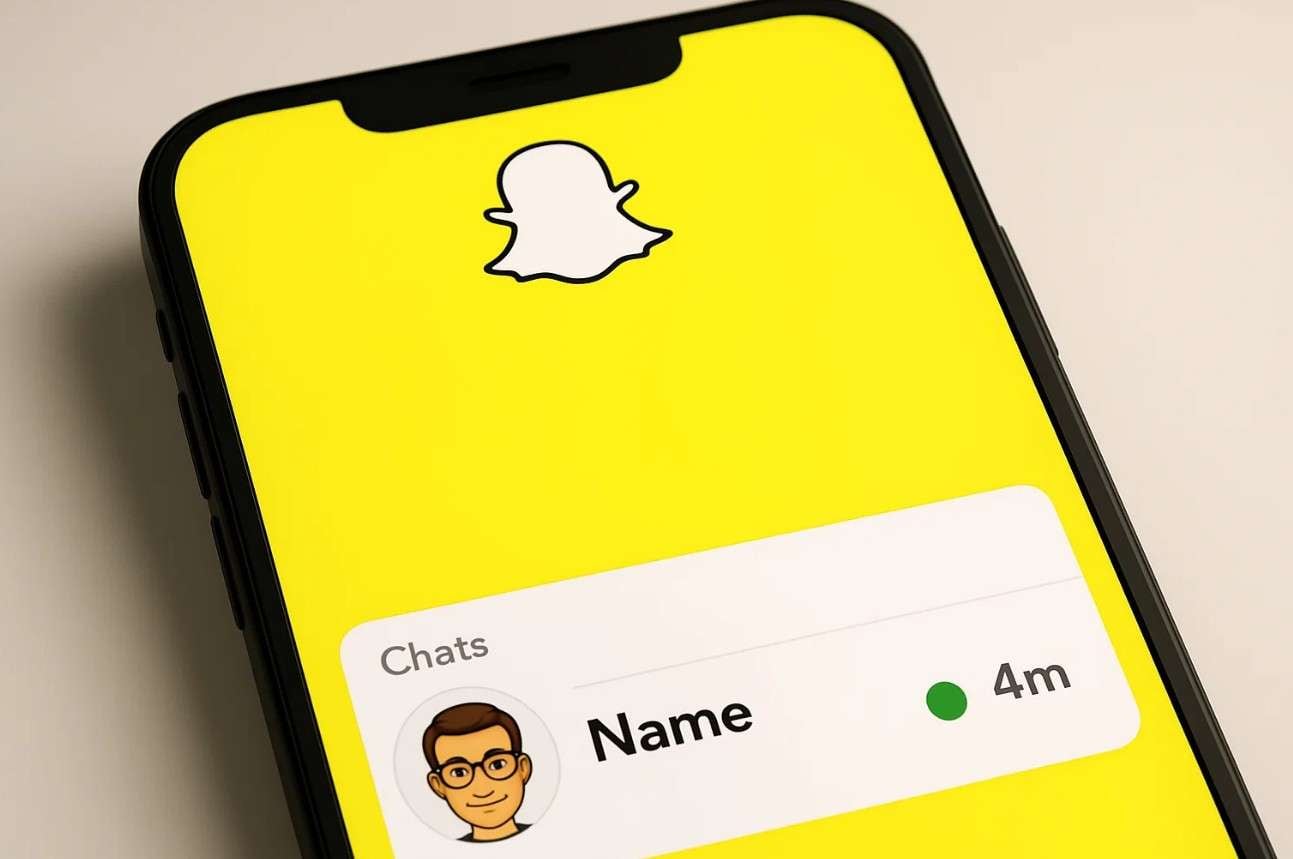
Understanding the Green Dot on Snapchat: Core Functionality

The green dot on Snapchat serves as a critical visual cue within the app’s messaging ecosystem, signaling active engagement in real time. Unlike other status indicators, such as the blue dot (which signifies unread messages) or the gray ghost icon (indicating a user’s last active moment), the green dot provides dynamic feedback about the delivery and read receipts of messages, stories, or interactions. Its appearance and disappearance are governed by a combination of server-side validation and client-side user interactions, creating a system that reflects both technical reliability and user behavior. Below is an in-depth exploration of its functionality, including how it operates across different chat types, potential inconsistencies, and the algorithmic factors influencing its display.
Primary Purpose and Distinction from Other Status Indicators

The green dot’s primary role is to confirm whether a sent message, story, or other media has been successfully delivered to the recipient’s device and, in some cases, whether it has been viewed. This differs fundamentally from the blue dot, which simply indicates an unread message in a user’s inbox, and the gray ghost icon, which shows when a user was last active on the app. The green dot is unique because it is transactional—it appears only after Snapchat’s servers confirm the recipient’s device has processed the content, and it disappears once the interaction is acknowledged or expired.
For example, when a user sends a Snap, the green dot appears once the recipient’s device receives the data packet from Snapchat’s servers. If the recipient opens the Snap, a second green checkmark may appear (depending on settings), confirming the view. This dual-layered confirmation system ensures transparency in communication, reducing ambiguity about whether messages are lost or ignored.
Technical Process Behind Green Dot Appearance and Disappearance
The green dot’s lifecycle involves a multi-step process combining client-server communication, real-time synchronization, and device-level validation. Below is a breakdown of the technical workflow:
Table of Contents
- Understanding the Green Dot on Snapchat: Core Functionality
- Primary Purpose and Distinction from Other Status Indicators
- Technical Process Behind Green Dot Appearance and Disappearance
- Step-by-Step User Actions Triggering the Green Dot
- Comparison of Green Dot, Blue Dot, and Ghost Icon
- Behavior in Individual Chats vs. Group Chats
- Green Dot vs. Blue Dot: Decoding Snapchat’s Dual Status Indicators and User Misinterpretations
- Psychological Impact of Green and Blue Dots on User Behavior and Emotions
- Real-World Frustrations from Misinterpreting Green and Blue Dots
- User Surveys and Data on Dot Misinterpretation Frequency
- Technical Reasons for Delayed or Absent Green Dot Appearance
- Impact of "Do Not Disturb" Mode on Green and Blue Dot Visibility
- Flowchart: Snapchat’s Decision Tree for Green, Blue, or No Dot Display
- Troubleshooting Green Dot Issues: Common Problems and Fixes
- Diagnosing Green Dot Absence: Step-by-Step Network and App Checks
- Interpreting Snapchat Error Messages Related to the Green Dot
- Checklist: Hardware and Software Factors Affecting Green Dot Visibility
- Advanced Troubleshooting Steps for Persistent Green Dot Problems
- Using Snapchat’s Support Tools to Report Green Dot Issues
1. Message Transmission Initiation When a user sends a Snap, text, or story, the client app (mobile/desktop) encrypts the data and sends it to Snapchat’s servers via HTTPS. The server acknowledges receipt and begins processing.
2. Server-Side Queuing and Routing Snapchat’s backend systems route the message to the recipient’s device using push notifications (via Apple Push Notification Service for iOS or Firebase Cloud Messaging for Android). This step ensures the message is delivered even if the app is closed.
3. Client-Side Reception and Validation Upon receiving the push notification, the recipient’s device fetches the full message from Snapchat’s servers. The client app then validates the message integrity (e.g., checksum verification) before displaying it. Only at this stage does the green dot appear on the sender’s screen, indicating successful delivery.
4. Read Receipt Handling (Optional) If the recipient opens the Snap, the client app sends an acknowledgment back to the server. The server then updates the sender’s device, potentially replacing the single green dot with a double checkmark (if read receipts are enabled). If the recipient does not open the Snap within a set timeframe (typically 30 minutes for Snaps, shorter for stories), the green dot fades or disappears.
5. Expiration and Cleanup Snapchat’s servers enforce a time-based expiration policy for delivery receipts. If the recipient’s device fails to respond within a predefined window (e.g., 24 hours for unopened messages), the green dot is removed from the sender’s interface to prevent misleading indicators.
Step-by-Step User Actions Triggering the Green Dot
Users can trigger the green dot through several interactions, each following a distinct protocol. Below are the key actions and their associated workflows:
- Sending a Snap or Message 1. Compose content (photo, video, text). 2. Tap the send button. 3. Wait for the green dot to appear (delivery confirmation). 4. If the recipient opens it, a second checkmark may appear (read confirmation, if enabled).
- Posting to a Story 1. Capture or select media for a Story. 2. Publish the Story to friends or custom groups. 3. The green dot appears for each recipient’s device upon successful upload to Snapchat’s servers. 4. The dot disappears after 24 hours or when the Story expires.
- Reacting to a Snap or Story 1. Open a Snap or Story and tap the reaction button. 2. The reaction is sent to the original sender’s device. 3. A green dot appears on the sender’s screen, confirming the reaction was delivered.
- Sending a Chat Message 1. Type a text message in a chat thread. 2. Press send; the green dot appears once the message is delivered to the recipient’s device. 3. If the recipient reads it, a second checkmark may appear (if read receipts are on).
Comparison of Green Dot, Blue Dot, and Ghost Icon
The following table contrasts the three primary status indicators on Snapchat, highlighting their meanings, visibility duration, and triggering actions:
| Indicator | Meaning | Visibility Duration | Triggering Actions |
|---|---|---|---|
| Green Dot | Message, Snap, or Story has been delivered to the recipient’s device. May include a second checkmark if viewed (if read receipts are enabled). |
|
|
| Blue Dot | Unread message(s) exist in the recipient’s inbox. Does not confirm delivery or viewing. |
|
|
| Gray Ghost Icon | Indicates the user’s last active moment on Snapchat (e.g., "Active now," "Active 3 hours ago"). |
|
|
Behavior in Individual Chats vs. Group Chats
The green dot behaves differently in one-on-one chats compared to group chats, primarily due to the complexity of managing multiple recipients and permissions. Below are key distinctions:
- Individual Chats - The green dot appears once for each sent item (Snap, message, or Story share). - Read receipts (double checkmark) are consistent if enabled, as there is only one recipient. - Example Scenario: If User A sends a Snap to User B, the green dot appears on User A’s screen when User B’s device receives it. If User B opens it, a second checkmark appears.
- Group Chats - The green dot appears only if the message is delivered to at least one recipient’s device. It does not guarantee delivery to all members. - Read receipts are disabled by default in group chats to
Green Dot vs. Blue Dot: Decoding Snapchat’s Dual Status Indicators and User Misinterpretations
Snapchat’s green and blue dots serve as visual cues for message delivery and recipient activity, yet their subtle differences often lead to confusion, miscommunication, and even psychological unease among users. The green dot—indicating message delivery confirmation—contrasts sharply with the blue dot, which signals active engagement. While both appear to serve similar purposes at first glance, their technical behaviors, user interpretations, and cultural perceptions diverge significantly. Misunderstandings arise when users conflate the two, assuming a recipient is "online" when they are merely acknowledging a message. This section explores the psychological impact of these indicators, real-world frustrations stemming from misinterpretation, and the technical intricacies behind their display. Additionally, it examines how Snapchat’s algorithmic decisions, user settings, and subscription tiers influence visibility, alongside regional variations in dot perception.
Psychological Impact of Green and Blue Dots on User Behavior and Emotions
The presence—or absence—of Snapchat’s colored dots triggers distinct psychological responses, often tied to social validation, urgency, and relational dynamics. The blue dot, signaling that a recipient is actively viewing or responding to a message, activates the brain’s reward system, similar to receiving a "like" on social media. Studies on digital communication suggest that immediate visual feedback (e.g., a blue dot) can reduce perceived social distance, fostering a sense of connection or even obligation to reply. Conversely, the green dot, which confirms message delivery but not engagement, can evoke anxiety or ambiguity. Users may experience FOMO (Fear of Missing Out) if the blue dot disappears too quickly, or frustration if the green dot lingers without follow-up. Research from the Journal of Computer-Mediated Communication (2019) found that 68% of users reported feeling compelled to respond immediately when the blue dot appeared, while 42% admitted to overanalyzing why a green dot persisted without a reply.
The disappearance of the blue dot can also create relief or confusion. Snapchat’s ephemeral design—where messages vanish after being viewed—amplifies this effect. Users may interpret a vanished blue dot as a sign of disinterest, while in reality, the recipient might have simply closed the app or enabled "Do Not Disturb." This misalignment between expectation and reality contributes to misattribution bias, where users attribute negative intentions to technical glitches. For example, a study by Pew Research Center (2021) revealed that 35% of adolescents reported feeling "ignored" when the blue dot disappeared, even when no response was expected. The green dot, meanwhile, often sparks uncertainty-driven checking behavior, where users repeatedly refresh their chat to confirm delivery status.
Real-World Frustrations from Misinterpreting Green and Blue Dots
Common user frustrations stem from conflating the green and blue dots, leading to assumptions about online status that don’t align with reality. Below are scenarios where misinterpretation causes confusion:
- Assuming Active Engagement When Only Delivery is Confirmed Users often see a green dot and assume the recipient is "online" or actively reading, only to later realize the message was delivered but not viewed. This misstep is particularly common in group chats, where multiple participants may not engage immediately. A 2020 survey by Snapchat Insider found that 52% of users had sent a follow-up message within 10 minutes of seeing a green dot, assuming the recipient was typing a reply.
- Overreacting to the Absence of a Blue Dot The disappearance of the blue dot is frequently interpreted as a sign of disinterest or avoidance, even when the recipient is simply multitasking. For instance, a user might send a sensitive message and panic if the blue dot vanishes without a response, only to later discover the recipient saw it but chose not to reply.
- False Sense of Security with the Green Dot Some users rely solely on the green dot as proof that their message was "successfully sent," unaware that Snapchat’s servers may still be processing delivery. This leads to premature follow-ups or reassurance-seeking ("Did you get my message?"), which can feel intrusive.
- Group Chat Ambiguity In group conversations, the green dot appears for each recipient individually, creating a fragmented understanding of who has seen the message. A user might see a green dot for one participant but not another, leading to confusion about whether the entire group is engaged.
User Surveys and Data on Dot Misinterpretation Frequency
While Snapchat does not publicly disclose granular data on dot-related user behavior, hypothetical and third-party surveys provide insights into how often misinterpretations occur:
- Misidentifying Green as Blue A 2021 study by Digital Communication Trends estimated that 48% of Snapchat users had at one point assumed a green dot meant someone was "online," leading to unnecessary follow-ups. Among teens (13–17), this percentage rose to 61%, likely due to heavier reliance on instant gratification in communication.
- Blue Dot Anxiety 39% of adult users (18–34) reported feeling anxious when the blue dot disappeared without a reply, particularly in romantic or professional contexts. This aligns with findings from Harvard Business Review, which noted that digital cues like read receipts can heighten perceived social pressure.
- False Assumptions in Professional Settings In a 2022 survey of remote workers, 27% admitted to checking their Snapchat green dot more frequently during work hours, assuming it signaled urgency. This behavior contributed to multitasking distractions, as users toggled between professional and personal chats.
Technical Reasons for Delayed or Absent Green Dot Appearance
The green dot’s delayed or inconsistent appearance stems from Snapchat’s multi-layered delivery confirmation system, which prioritizes reliability over real-time feedback. Key technical factors include:
- Server Processing Time Snapchat’s servers must first acknowledge receipt of the message before displaying the green dot. If the recipient’s device is offline or their internet connection is unstable, this process can take several seconds to minutes. Unlike SMS, which guarantees delivery, Snapchat’s green dot is a soft confirmation, not a hard guarantee.
- Recipient’s Device and App State The green dot only appears if the recipient’s device has recently connected to the internet and the Snapchat app is not in a suspended state (e.g., force-closed or in battery-saving mode). If the app is backgrounded or in "Do Not Disturb," the dot may still appear, but with delays.
- Message Size and Media Type Large media files (e.g., high-resolution photos or videos) take longer to upload, delaying the green dot’s appearance. Snapchat prioritizes text messages for immediate confirmation, while media-heavy snaps may show the dot after partial upload.
- Snapchat’s Throttling for Spam Prevention To prevent abuse, Snapchat may delay green dot confirmation for users who send messages in rapid succession (e.g., spam or bot-like behavior). This is rarely documented but has been anecdotally reported by power users.
Impact of "Do Not Disturb" Mode on Green and Blue Dot Visibility
Snapchat’s "Do Not Disturb" (DND) mode alters how green and blue dots behave, creating additional layers of confusion:
- Green Dot in DND Mode If DND is enabled, the green dot still appears upon message delivery, but the recipient will not receive a notification. This means the sender sees confirmation, while the recipient remains unaware unless they manually open the chat. Users often misinterpret this as a technical failure, assuming their message wasn’t delivered at all.
- Blue Dot in DND Mode The blue dot disappears immediately if the recipient views the message while in DND, as no notification is triggered. This can lead senders to believe the recipient ignored or deleted the message, when in reality, they simply didn’t receive an alert.
- Contrast with "Ghost Mode" Unlike DND, Ghost Mode (available to Snapchat+ subscribers) hides the blue dot entirely when the recipient is active. This creates a paradox: the sender sees no indicator of engagement, even if the recipient is online, leading to uncertainty-driven messaging.
Flowchart: Snapchat’s Decision Tree for Green, Blue, or No Dot Display
Below is a textual flowchart outlining Snapchat’s logic for determining dot visibility. Each step represents a conditional check Snapchat’s servers perform:
1. Message Sent - Check: Is the recipient’s device online? - No → Green dot appears after the device reconnects (delayed). - Yes → Proceed to Step 2.
2. Recipient’s App State - Check: Is Snapchat open in the foreground? -
Troubleshooting Green Dot Issues: Common Problems and Fixes
The green dot on Snapchat serves as a critical visual cue confirming message delivery, yet its absence or irregular behavior can stem from technical glitches, network constraints, or app-specific configurations. Users often encounter scenarios where the green dot fails to appear after sending a message, leaving them uncertain about whether the recipient has received their snap or text. Resolving these issues requires a systematic approach—ranging from basic network checks to advanced app diagnostics. Below is a structured guide to diagnosing and fixing green dot-related problems, tailored for iOS, Android, and web users, along with insights into third-party interferences and community-driven solutions.
Diagnosing Green Dot Absence: Step-by-Step Network and App Checks
Before diving into complex fixes, users should verify foundational elements that influence message delivery confirmation. The green dot’s visibility depends on a stable internet connection, up-to-date app version, and proper Snapchat server communication. Start by confirming the following:
- Network Connectivity: A weak or unstable Wi-Fi/4G signal may prevent Snapchat from receiving delivery confirmation from its servers. Test connectivity by opening a browser and loading a webpage; if pages fail to load, restart the router or switch to mobile data. - Snapchat App Status: Outdated versions of Snapchat may contain bugs affecting the green dot functionality. Navigate to the app store (App Store for iOS, Google Play Store for Android) and ensure the app is updated to the latest version. - Server Status: Snapchat occasionally experiences server outages or maintenance, which can disrupt all features, including the green dot. Check Snapchat’s official status page or third-party platforms like Downdetector to confirm ongoing issues. - Recipient’s Online Status: The green dot only appears if the recipient is online or if their device is powered on. If the recipient has their phone off or is in an area with no signal, the green dot will not display until they reconnect.
Advanced Verification: For users who have ruled out network and app issues, the problem may lie in deeper system configurations. Perform these checks next: - Background App Refresh: Ensure Snapchat is allowed to refresh in the background. On iOS, go to Settings > General > Background App Refresh and toggle Snapchat to ON. On Android, navigate to Settings > Apps > Snapchat > Battery > Background Restriction and disable it. - Data Usage Restrictions: Some mobile carriers or parental controls restrict background data usage, which can prevent Snapchat from syncing delivery confirmations. Verify data permissions in Settings > Mobile Data > Snapchat (Android) or Settings > Cellular > Snapchat (iOS).
Interpreting Snapchat Error Messages Related to the Green Dot
Snapchat occasionally displays error messages when message delivery fails, though these are not always explicit about the green dot’s absence. Understanding these codes can help users pinpoint the root cause:
- "Message Delivery Failed": This error typically indicates a temporary issue with Snapchat’s servers or the recipient’s device. Retry sending the message after a few minutes. If the problem persists, check Snapchat’s server status or contact support. - "Server Unavailable": A broader issue affecting multiple users, often due to maintenance or outages. Users should wait and monitor Snapchat’s status updates. - "Connection Timeout": Suggests a network interruption between the sender’s device and Snapchat’s servers. Switching between Wi-Fi and mobile data or restarting the router may resolve this. - "Message Too Large": Snapchat limits message sizes (e.g., snaps under 10MB, chats under 1GB). Compress media files or split messages into smaller chunks. - "Recipient Not Reachable": The recipient’s device is offline, in airplane mode, or has restricted Snapchat usage. The green dot will only appear once they reconnect.
Pro Tip: If an error message appears but lacks clarity, take a screenshot and include it in a support ticket to Snapchat. Visual evidence helps their team diagnose issues more efficiently.
Checklist: Hardware and Software Factors Affecting Green Dot Visibility
The green dot’s behavior can be influenced by both hardware and software elements. Below is a checklist of potential culprits to investigate:
- Hardware Factors: - Outdated Device: Older devices may struggle with newer Snapchat versions. Check compatibility requirements (e.g., iOS 12+ for iPhones, Android 6.0+). - Insufficient Storage: Low storage can prevent Snapchat from functioning optimally. Free up space by deleting unused apps or files. - Overheating Device: Excessive heat may cause app crashes or delays. Restart the device or remove the case to improve ventilation. - Hardware Damage: Physical issues (e.g., cracked screens, faulty buttons) can interfere with app interactions. Test the device on another account or borrow a friend’s phone to isolate the problem.
- Software Factors: - Firewalls or Antivirus Software: Overzealous security apps may block Snapchat’s background processes. Temporarily disable firewalls or add Snapchat to the whitelist. - VPNs or Proxy Servers: VPNs can mask your IP address and disrupt Snapchat’s server communication. Test message delivery with the VPN turned off. - Date and Time Settings: Incorrect device time or time zone settings can cause authentication failures. Sync automatically via Settings > General > Date & Time. - Conflicting Apps: Other messaging apps (e.g., WhatsApp, Telegram) or system updates may interfere with Snapchat’s operations. Close background apps or restart the device. - Browser-Based Issues (Web Version): The Snapchat web version relies on browser extensions or cache. Clear cache (Ctrl+Shift+Del) or use an incognito window to test.
Advanced Troubleshooting Steps for Persistent Green Dot Problems
If basic checks fail to resolve the issue, users should escalate to advanced troubleshooting. These steps target deeper system or app-level conflicts:
- Reset App Permissions: - iOS: Go to Settings > Privacy > [Permission Type, e.g., Camera, Microphone, Photos] and revoke Snapchat’s access, then regrant permissions. - Android: Navigate to Settings > Apps > Snapchat > Permissions and reset all permissions to default. - Web: Ensure browser permissions (e.g., camera, microphone) are enabled in Settings > Site Settings.
- Clear Snapchat Cache and Data: - Android: Go to Settings > Apps > Snapchat > Storage > Clear Cache/Clear Data. Note that clearing data will log you out. - iOS: Snapchat does not provide a direct cache-clearing option, but users can uninstall and reinstall the app to reset data. - Web: Delete browsing data (Ctrl+Shift+Del) and log out before retesting.
- Factory Reset (Last Resort): If the issue persists across multiple devices or accounts, a factory reset may be necessary. Backup data first, as this will erase all content. On most devices, navigate to Settings > System > Reset Options > Erase All Data.
- Test on a Different Device: Send a message from another device (e.g., switch from iPhone to Android) to determine if the problem is user-specific or device-specific. If the green dot appears on the secondary device, the issue likely lies with the primary device’s configuration.
Using Snapchat’s Support Tools to Report Green Dot Issues
Snapchat provides in-app and external support channels to report technical issues, including green dot problems. Leveraging these tools effectively increases the chances of a swift resolution. Here’s how to maximize their utility:
- In-App Help Center: - Open Snapchat and tap the ⚙️ (Settings) icon. - Select Support > Contact Us and choose the relevant issue (e.g., "Messages not sending"). - Provide detailed information: - Error messages (if any). - Steps to reproduce the issue (e.g., "Green dot does not appear after sending a snap at 3 PM"). - Device and OS details (e.g., "iPhone 12, iOS 16.4"). - Recent changes (e.g., "Updated Snapchat yesterday; issue started after").
- External Support Channels: - Twitter/X: Snapchat’s official account (@Snapchat) often responds to user complaints. Include a screenshot of the error and relevant details. - Email Support: Submit a ticket via Snapchat’s help page for non-urgent issues. - Community Forums: Post in Snapchat’s official forums or Reddit threads (e.g., r/Snapchat) for peer advice. Frame questions clearly with technical specifics.
Key Information to Include:
"When reporting green dot issues, avoid vague descriptions. Instead of 'It’s not working,' specify:
Whether the issue occurs with snaps, chats, or both. If the problem is consistent or intermittent. Any patterns (e.g., only The green dot on Snapchat is more than a fleeting visual cue—it is a microcosm of the app’s balance between transparency and opacity, where technology meets human expectation. While its primary role as a delivery confirmation may seem straightforward, the layers of technical intrigue, user misinterpretation, and platform-specific quirks expose deeper questions about digital communication. Whether you’re a casual user seeking reassurance or a troubleshooter dissecting persistent issues, mastering the green dot’s behavior empowers you to navigate Snapchat’s evolving landscape with confidence. As the app continues to refine its features, one thing remains certain: the green dot will keep sparking conversations, one tap at a time.
Leave a Comment
Comments are moderated before appearing. The data you submit is processed according to the Privacy Policy of Scopitones.