What Is Srs Surgery Explained Clearly For Transgender Healthcare
Sex Reassignment Surgery (SRS) stands at the forefront of modern transgender healthcare, offering life-transforming solutions for individuals seeking alignment between their gender identity and physical reality. Beyond surgical knives and operating rooms, SRS represents a deeply personal journey—one intertwined with medical science, psychological resilience, and societal evolution. From its early adoption in the mid-20th century to today’s cutting-edge techniques, this field continues to redefine possibilities for gender-affirming care, challenging outdated stigmas while delivering tangible results for thousands worldwide.
Yet for many, SRS remains shrouded in misconceptions—blurred by Hollywood portrayals, political debates, or lack of accessible information. The reality is far more nuanced: a meticulously planned process combining hormone therapy, reconstructive expertise, and holistic support systems. Whether addressing anatomical transitions for male-to-female (MTF) or female-to-male (FTM) patients, SRS encompasses procedures as diverse as vaginoplasty and phalloplasty, each tailored to individual needs. This exploration dives into the science, steps, and human stories behind SRS, separating fact from fiction to empower those navigating this critical chapter of their lives.

Understanding SRS Surgery: Core Concepts and Definitions
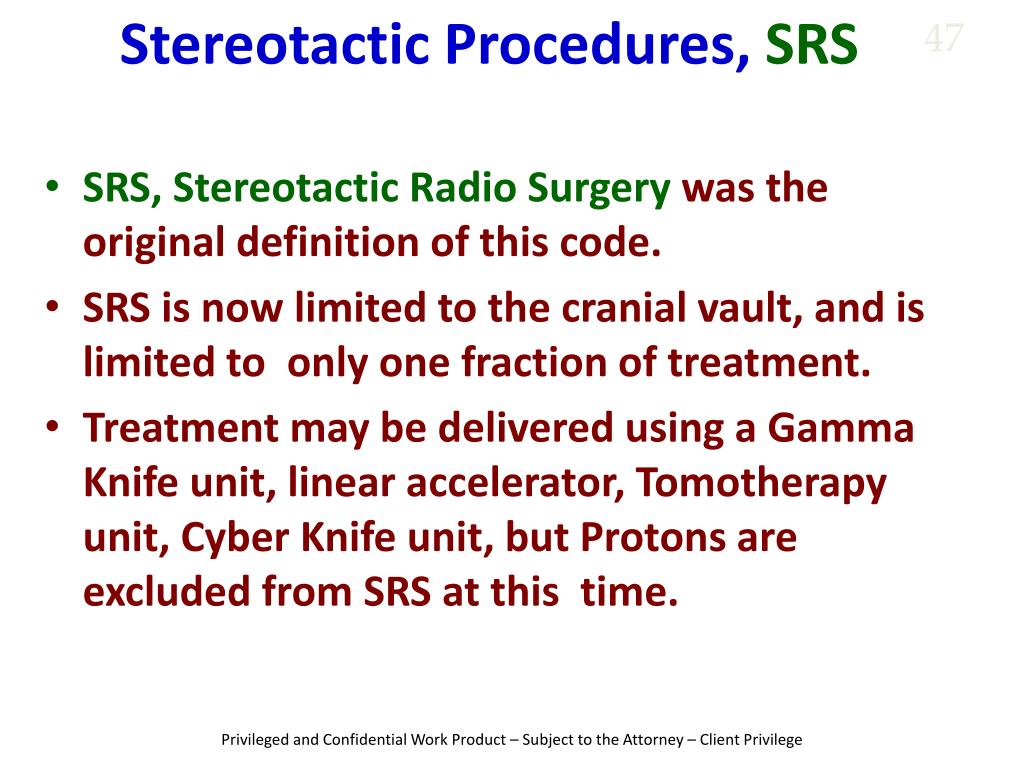
Sex Reassignment Surgery (SRS), now more widely recognized as gender-affirming surgery (GAS), represents a critical intervention in transgender healthcare, enabling individuals to align their physical bodies with their gender identity. The acronym SRS originates from older medical terminology where "sex reassignment" emphasized the binary framework of male-to-female (MTF) and female-to-male (FTM) transitions. However, contemporary terminology reflects a broader understanding of gender as a spectrum, with gender-affirming surgery and gender confirmation surgery becoming preferred terms in clinical practice. These procedures are grounded in the World Professional Association for Transgender Health (WPATH) standards, which emphasize informed consent, mental health evaluation, and individualized care plans. Misconceptions persist, often fueled by outdated narratives or lack of awareness, portraying SRS as irreversible, purely cosmetic, or medically experimental. Evidence from studies published in The Journal of Sexual Medicine and Transgender Health confirms that gender-affirming surgeries significantly improve mental health outcomes, reducing rates of depression and suicide among transgender individuals by up to 60% post-surgery.
Medical Classification and Evolution of SRS
The classification of SRS has evolved alongside societal and medical advancements. Historically, gender-affirming surgeries emerged in the mid-20th century, with pioneering procedures like the 1950s MTF phalloplasty by Harold Gillies and 1970s FTM mastectomy refinements by Louis Gooren. These early interventions were often experimental, limited by technological constraints and rigid medical gatekeeping. By the 1990s, the Harry Benjamin International Gender Dysphoria Association (HBIGDA)—now WPATH—established standardized protocols, shifting focus from pathological framing to affirming care. Today, SRS is categorized under gender-affirming healthcare, a subset of transgender medicine that includes: - Primary genital surgeries (vaginoplasty, metoidioplasty, phalloplasty). - Secondary procedures (facial feminization/masculinization, chest surgery). - Hormonal interventions (cross-sex hormone therapy, CSHT).
WPATH’s 7th Version Standards of Care (2018) emphasize that gender-affirming surgeries are medically necessary for eligible individuals, provided they meet criteria such as persistent gender dysphoria and a minimum duration of hormone therapy (typically 12 months). The shift from "reassignment" to "affirmation" language underscores a paradigm shift: from treating gender dysphoria as a mental disorder to recognizing it as a valid aspect of human diversity.
Debunking Common Misconceptions About SRS
Despite growing acceptance, myths about SRS persist, often perpetuated by misinformation or cultural biases. Below are evidence-based clarifications to address these misconceptions:
Table of Contents
- Understanding SRS Surgery: Core Concepts and Definitions
- Medical Classification and Evolution of SRS
- Debunking Common Misconceptions About SRS
- Comparison of SRS with Related Surgical Procedures
- Types of SRS Procedures: Step-by-Step Breakdown of Gender-Affirming Surgeries
- Categorization of SRS Procedures by Transition Type
- MTF Procedures
- FTM Procedures
- Step-by-Step Procedural Overview: Vaginoplasty in MTF Transition
- Pre-Operative Phase (3–12 Months Before Surgery)
- Intra-Operative Phase (6–12 Hours)
- Post-Operative Phase (Recovery Timeline)
- Anatomical Modifications in Phalloplasty: Tissue Sources and Surgical Techniques
- Visual Description of Phalloplasty Anatomy
- Tissue Sources: Pros and Cons
- Surgical Steps in Phalloplasty
- Patient Journey in SRS: Preparation, Eligibility, and Psychological Considerations
- Pre-Operative Evaluation Process and Eligibility Criteria
- Role of Mental Health Professionals in SRS Eligibility
- Pre-Surgery Preparation Checklist: Medical, Logistical, and Emotional Readiness
- Medical and Physical Preparations
- Surgical and Anesthesiology Consultations
SRS is not a "quick fix" or elective cosmetic procedure. Studies in PLOS ONE (2019) highlight that transgender individuals undergo rigorous mental health evaluations, including assessments for gender dysphoria severity and life stability, before being approved for surgery. The process typically spans 1–2 years, including hormone therapy and counseling.
"Gender-affirming surgery is not about changing one’s sex but aligning the body with the individual’s deeply held gender identity." — WPATH, 2022
Another myth suggests that SRS leads to sterility or permanent loss of sexual function. While genital surgeries often involve removal of reproductive organs (e.g., hysterectomy in MTF, orchiectomy in FTM), fertility preservation options—such as egg/sperm freezing—are increasingly offered. Sexual function post-surgery varies: vaginoplasty achieves satisfactory sexual outcomes for 80–90% of MTF patients, while phalloplasty reports 60–70% functional rates for FTM individuals, per Journal of Urology (2020).
The claim that SRS is "experimental" ignores decades of refinement. Procedures like radial forearm free flap phalloplasty (developed in the 1990s) are now considered standard of care, with long-term follow-up data from centers like Mount Sinai Hospital demonstrating high patient satisfaction rates. Regulatory bodies, including the American Medical Association (AMA), classify gender-affirming surgeries as medically necessary under the Affordable Care Act (ACA) for transgender individuals.
Comparison of SRS with Related Surgical Procedures
Gender-affirming surgeries share similarities with other reconstructive or gynecological/urological procedures but differ in purpose, anatomical focus, and patient population. Below is a comparative analysis:
| Procedure | Primary Purpose | Anatomical Scope | Patient Population | Key Outcomes | Post-Surgical Considerations | |||||||||||||||||||||||
|---|---|---|---|---|---|---|---|---|---|---|---|---|---|---|---|---|---|---|---|---|---|---|---|---|---|---|---|---|
| Gender-Affirming Surgery (SRS/GAS) | Alignment of physical anatomy with gender identity; treatment of gender dysphoria. | Genital (vaginoplasty, phalloplasty), chest (mastectomy, top surgery), facial (FFM/FFS). | Transgender individuals meeting WPATH criteria. |
|
|
|||||||||||||||||||||||
| Hysterectomy | Removal of uterus and sometimes ovaries; treatment of gynecological cancers, endometriosis, or non-cancerous conditions. | Uterus, cervix, ovaries, fallopian tubes (partial or total). | Cisgender women with medical indications (e.g., fibroids, cancer). |
|
|
|||||||||||||||||||||||
| Orchiectomy | Removal of one or both testicles; treatment of prostate cancer, testicular cancer, or gender dysphoria (in FTM transitions). | Testes, possibly spermatic cords. | Cisgender men (oncological) or transgender women (as part of MTF SRS). |
|
|
|||||||||||||||||||||||
| Vaginoplasty (MTF) | Creation of a neovagina using penile inversion or graft techniques; core component of MTF gender-affirming surgery. | Genitalia (penis, scrotum transformed into vaginal canal, labia). | Transgender women meeting SRS criteria. |
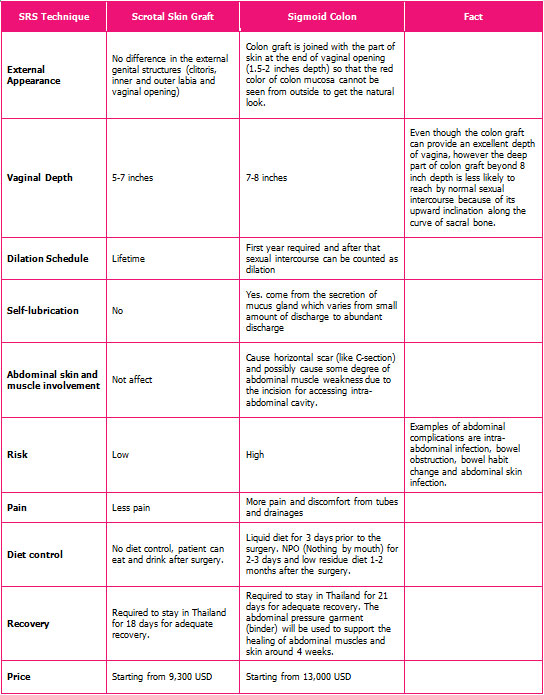
FTM ProceduresFTM surgeries aim to create masculinizing anatomical features, including genital reconstruction, chest masculinization, and facial adjustments. Key procedures include:Step-by-Step Procedural Overview: Vaginoplasty in MTF TransitionVaginoplasty is the most common and complex MTF procedure, involving the creation of a vagina, vulva, and often a neoclitoris using penile and scrotal tissue. The process is divided into pre-operative, intraoperative, and post-operative phases, each with distinct milestones and recovery expectations.Pre-Operative Phase (3–12 Months Before Surgery)Intra-Operative Phase (6–12 Hours)The procedure typically follows these stages: 1. Incision and Tissue PreparationPost-Operative Phase (Recovery Timeline)Recovery is divided into short-term (0–6 weeks), intermediate (2–6 months), and long-term (6+ months) phases:
Anatomical Modifications in Phalloplasty: Tissue Sources and Surgical TechniquesPhalloplasty in FTM transition involves constructing a neophallus using tissue grafts, with the radial forearm flap (RFF) and anterolateral thigh (ALT) flap being the most common donor sites. Each technique offers distinct advantages and challenges in terms of aesthetics, sensation, and functionality.Visual Description of Phalloplasty AnatomyA successful phalloplasty results in a neophallus comprising:Tissue Sources: Pros and Cons
Surgical Steps in Phalloplasty1. Flap Harvesting: The selected tissue (e.g., radial forearm) is surgically removed with its blood supply intact. 2. Phallus Construction: The flap is shaped into a cylindrical phallus, with veins and arteries connected to the pelvic vasculature. 3. Urethral Reconstruction: A separate procedure extends the urethra through the neophallus (often requiring staged surgeries). 4. Scrotoplasty: Labial tissue is used to create a scrotum, with testicular implants inserted if desired. 5. Erectile Implant Placement: Typically performed 3–6 months post-phalloplasty to restore rigidity. > Emerging Trends: > - Sensitized Phalloplasty: Techniques to preserve or restore sensation in the neoglans, improving sexual function. > - 3D-Printed Implants: Customized prostheticsPatient Journey in SRS: Preparation, Eligibility, and Psychological ConsiderationsThe path to Sex Reassignment Surgery (SRS), also known as gender-affirming surgery, is a deeply personal and transformative process that extends far beyond the operating room. For many transgender and gender-diverse individuals, this journey involves meticulous preparation, rigorous psychological evaluation, and alignment with medical and ethical standards set by organizations like the World Professional Association for Transgender Health (WPATH). Understanding the pre-operative requirements, the role of mental health professionals, and the emotional and logistical preparations is critical for ensuring a safe, informed, and affirming experience. This section explores the structured yet deeply human journey of preparing for SRS, from eligibility criteria to post-surgery psychological support, while addressing common misconceptions and cultural considerations that shape the experience.Pre-Operative Evaluation Process and Eligibility CriteriaThe pre-operative evaluation for SRS is designed to ensure that candidates are physically, mentally, and emotionally prepared for the procedure. This process is not merely a bureaucratic hurdle but a protective framework that prioritizes patient well-being and surgical safety. The evaluation typically involves medical, psychological, and legal assessments, each serving distinct yet interconnected purposes. For female-to-male (FTM) patients, procedures like metoidioplasty or phalloplasty require hormone therapy stabilization, while male-to-female (MTF) patients undergoing vaginectomy or breast augmentation must meet similar criteria. The WPATH Standards of Care (SoC), currently in their 8th version (WPATH SoC 8), outline the minimum requirements for gender-affirming surgeries, emphasizing informed consent, mental health stability, and sustained gender identity. The evaluation begins with a comprehensive medical history review, including assessments of hormone therapy duration (typically 12 months of consistent hormone use for FTM patients and 12 months for MTF patients, though some surgeons may adjust based on individual cases). Hormone levels (e.g., testosterone for FTM, estrogen for MTF) must be within target ranges to minimize surgical risks, such as excessive bleeding or poor tissue quality. Additionally, candidates must undergo physical examinations to evaluate body fat distribution, breast tissue development (for MTF), or clitoral size (for FTM), as these factors influence surgical outcomes. Legal name and gender marker changes are often required in many countries, reflecting the social and legal transition that complements medical affirmation. Psychological evaluations are conducted by licensed mental health professionals specializing in gender identity and transgender healthcare. These assessments focus on:"The primary goal of pre-operative evaluations is not to deny care but to ensure that patients are fully informed and supported in their transition. Surgery should be a tool for affirmation, not a last resort." — WPATH Standards of Care, Version 8 (2022)In some regions, legal or ethical committees may review cases, particularly for minors (though SRS is generally not recommended for minors due to developmental factors) or individuals with complex medical histories. The process may also include consultations with endocrinologists, surgeons, and anesthesiologists to address specific concerns, such as smoking cessation requirements (as smoking significantly increases complication risks) or pre-existing conditions like diabetes or autoimmune disorders. Role of Mental Health Professionals in SRS EligibilityMental health professionals play a pivotal role in determining SRS eligibility, acting as advocates, educators, and gatekeepers for gender-affirming care. Their involvement is grounded in evidence-based practices that balance patient autonomy with risk mitigation. The WPATH SoC 8 emphasizes that therapists and psychologists should be culturally competent, transgender-affirming, and knowledgeable about gender diversity, avoiding pathologizing or conversion therapy approaches. The psychological evaluation process typically involves:"Therapeutic support should be collaborative and empowering, not a barrier to care. The focus should be on affirmation and resilience-building, not on proving 'readiness' through rigid criteria." — Transgender Care Consortium, 2021However, criticisms of the evaluation process have emerged, particularly regarding gatekeeping practices that may delay care for marginalized individuals. Some advocates argue for expanded access models, such as: Pre-Surgery Preparation Checklist: Medical, Logistical, and Emotional ReadinessPreparing for SRS requires methodical planning across medical, financial, and emotional domains. Below is a structured checklist to guide patients through the pre-operative phase, ensuring they address all critical aspects before surgery.Medical and Physical PreparationsPre-surgical medical readiness involves stabilizing health, optimizing hormone levels, and minimizing risk factors. Patients should:Surgical and Anesthesiology ConsultationsA thorough review with the surgical and anesthesia teams ensures patients are fully informed about procedure specifics, risks, and recovery. Key steps include:Sex Reassignment Surgery is more than a medical procedure—it is a cornerstone of gender-affirming healthcare, blending surgical precision with profound personal significance. From the meticulous planning required before surgery to the emotional and physical recovery that follows, every step reflects a commitment to authenticity and well-being. As techniques advance and societal acceptance grows, SRS continues to offer hope, validation, and tangible change for transgender individuals worldwide. Understanding its complexities—not just the procedures, but the psychological and cultural contexts—is essential for patients, families, and advocates alike. In a world where identity is increasingly celebrated, SRS remains a testament to medicine’s power to affirm human dignity. |
Leave a Comment
Comments are moderated before appearing. The data you submit is processed according to the Privacy Policy of Scopitones.