Free File nude sunbathing on the beach reveals global conflicts
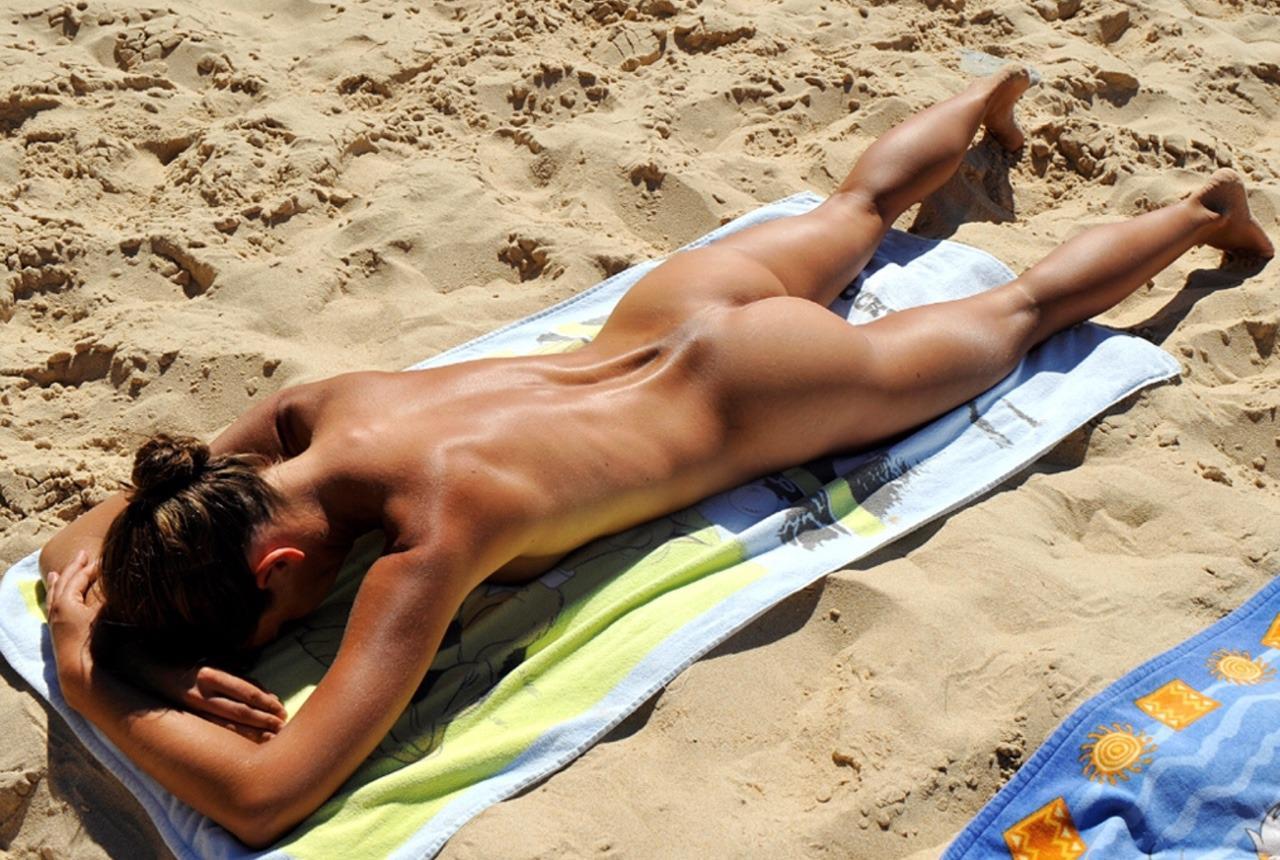
The sun dips low over golden sands as waves crash against shores, framing a timeless debate: where does freedom end and public decency begin? Free file nude sunbathing on the beach exposes a cultural divide that stretches from ancient Greek ideals to modern-day legal battles, where laws clash with personal liberties and tradition meets rebellion. What began as a natural human behavior has morphed into a political and ethical battleground, with beaches becoming frontlines for clashes over bodily autonomy, societal norms, and the ever-evolving definition of acceptable public behavior.
From the legalized nudity of Germany’s FKK beaches to the clandestine gatherings in conservative regions, the practice reflects deeper societal tensions. Media portrayals—whether through documentaries like The Nude Beach or viral social media trends—have both normalized and stigmatized the act, shaping perceptions across generations. Yet beneath the surface lies a web of health risks, safety concerns, and ethical dilemmas: Is sunbathing nude a liberating act of self-expression, or does it cross the line into exploitation? This exploration dissects the layers of controversy, balancing legal frameworks, cultural acceptance, and practical realities for those who choose to embrace the sun unclothed.
Understanding the Cultural and Social Context of Beach Sunbathing

The practice of sunbathing nude on beaches represents a complex intersection of cultural evolution, legal frameworks, and shifting societal norms. While ancient civilizations often embraced nudity as a natural state, modern perceptions vary dramatically across regions, shaped by historical influences, religious beliefs, and media narratives. This subtopic explores the historical trajectory of beach culture, regional disparities in acceptance, and the role of media in framing public attitudes toward nude sunbathing, supported by legal analyses, case studies, and key global milestones.
Historical Evolution of Beach Culture and Nudity Perceptions

Beach culture has undergone profound transformations, particularly in how nudity is perceived in public spaces. In ancient Greece (5th–4th century BCE), nudity was celebrated in athletic and social contexts, symbolizing freedom, equality, and physical prowess. Male athletes competed nude in the Olympic Games, and public bathhouses (like those in Athens and Sparta) were communal spaces where nudity was normalized. However, this acceptance was largely confined to elite males, while women’s nudity remained taboo outside domestic settings.
The Victorian era (19th century) marked a stark contrast, as strict moral codes in Europe and North America associated nudity with immorality and vulgarity. Beaches became segregated by gender, and modesty was enforced through restrictive swimwear. The 1920s–1930s introduced a gradual shift with the rise of bikinis and beachwear, though full nudity remained controversial. Post-World War II, European beach resorts like France’s Saint-Tropez and Germany’s Nordsee began experimenting with topless sunbathing, challenging traditional norms. By the 1960s–1970s, the sexual revolution and feminist movements further destabilized conservative attitudes, leading to the legalization of nude beaches in regions like Germany (1973) and France (1974).
In contrast, Middle Eastern and Asian cultures often view public nudity as incompatible with religious tenets (e.g., Islam’s hijab principles or Confucian modesty ideals). Colonialism and globalization later imposed Western beach norms in some areas, creating tensions between tradition and modernity.
Table of Contents
- Understanding the Cultural and Social Context of Beach Sunbathing
- Historical Evolution of Beach Culture and Nudity Perceptions
- Comparative Analysis of Societal Norms on Nude Sunbathing by Region
- Legal Status of Topless/Nude Sunbathing by Country
- Media Portrayals and Their Impact on Public Perceptions
- Legal and Ethical Perspectives on Nude Sunbathing
- Legal Frameworks Governing Public Nudity in Beach Settings
- Ethical Arguments For and Against Nude Sunbathing
- Public Decency and Its Conflict with Personal Freedoms
- Cultural and Religious Viewpoints Influencing Nudity Laws
- Safety, Health, and Practical Considerations for Nude Beachgoers
- Health Benefits and Risks of Nude Sunbathing
- Environmental and Physical Challenges of Nude Sunbathing
- Safety Protocols for Nude Beachgoers
- Debunking Common Misconceptions About Nude Sunbathing
Comparative Analysis of Societal Norms on Nude Sunbathing by Region
Regional attitudes toward nude sunbathing reflect broader cultural values, legal systems, and historical influences. Below is a comparative overview of key regions:
- Europe (Progressive Acceptance) Countries like Germany, France, Belgium, and the Netherlands have institutionalized nude beaches (FKK in German, naturisme in French), with legal protections and cultural normalization. In Germany, over 300 official FKK beaches exist, and topless sunbathing is permitted nationwide. France’s Cap d’Agde is a global hub for naturism, while Belgium’s De Panne hosts annual nude beach festivals. Cultural acceptance is high, supported by secularism and a history of challenging puritanical norms.
- Caribbean and Australia (Relaxed but Context-Dependent) In Australia, nude beaches like Shelly Beach (Sydney) and Burnham Beach (Perth) operate under local council regulations, with mixed public reactions. Caribbean nations (e.g., Jamaica, Barbados) generally tolerate topless sunbathing but rarely full nudity, influenced by tourism industry standards and colonial-era modesty expectations. Cultural acceptance is moderate, with enforcement varying by island and season.
- Middle East and Asia (Conservative Stance) In Saudi Arabia, Iran, or Malaysia, public nudity—even on private beaches—is illegal and punishable by law, reflecting strict Islamic or conservative moral frameworks. Japan and South Korea also maintain low tolerance, though Okinawa’s remote beaches occasionally host underground nude gatherings. Cultural acceptance is low, with legal consequences ranging from fines to imprisonment.
- North America (Fragmented Legal Landscape) The U.S. has no federal law on nude beaches, but California, Florida, and Texas permit topless sunbathing under local ordinances. Canada follows similar patchwork rules, with British Columbia allowing nudity in designated areas. Public perception is moderate, with debates often centering on privacy rights vs. public decency.
Legal Status of Topless/Nude Sunbathing by Country
The following table categorizes the legal and cultural landscape of nude sunbathing across selected countries, highlighting regional disparities:
| Country | Legal Status | Cultural Acceptance Level | Notable Incidents or Laws |
|---|---|---|---|
| Germany | Legal (since 1973) | High |
|
| France | Legal (conditional) | High |
|
| Australia | Legal (local regulations) | Moderate |
|
| Saudi Arabia | Illegal (punishable by law) | Low |
|
| United States | Legal (state-dependent) | Moderate |
|
| Japan | Illegal (except private beaches) | Low |
|
Key Insight: Legal status often lags behind cultural shifts, with enforcement varying by locality. Countries with high cultural acceptance (e.g., Germany, France) tend to have clear legal frameworks, while regions with low acceptance (e.g., Middle East, Japan) impose harsh penalties, creating underground subcultures.
Media Portrayals and Their Impact on Public Perceptions
Media has played a pivotal role in shaping attitudes toward nude sunbathing, oscillating between glorification and stigmatization. Below are five influential examples and their societal effects:
1. Documentary: The Naked Truth (BBC, 2005) This investigative series explored naturism’s psychological and social benefits, interviewing practitioners in Europe and Australia. It destigmatized nudity by framing it as a health-conscious, egalitarian lifestyle, particularly appealing to environmentalists and wellness advocates. The documentary’s neutral tone helped shift perceptions in moderately conservative regions like the UK and Canada.
2. Film: *The
Legal and Ethical Perspectives on Nude Sunbathing
The practice of nude sunbathing on beaches intersects with complex legal and ethical landscapes shaped by cultural norms, philosophical debates, and evolving interpretations of public decency. While some regions embrace nudity as a natural extension of personal freedom, others enforce strict regulations under the guise of maintaining public morality. Legal frameworks governing nude sunbathing vary significantly across jurisdictions, influenced by historical precedents, constitutional interpretations, and international human rights standards. Ethical arguments further complicate the discourse, with perspectives ranging from utilitarian justifications of individual well-being to moral relativist critiques of societal judgment. This section examines the legal boundaries, philosophical underpinnings, and cultural influences that define the acceptability of nude sunbathing, while also providing practical guidance for travelers navigating these regulations.
Legal Frameworks Governing Public Nudity in Beach Settings
Public nudity laws are primarily structured around municipal ordinances, national legislation, and constitutional principles that balance individual rights with collective values. In many countries, the legality of nude sunbathing hinges on whether the activity occurs in designated areas or is deemed "indecent" under local standards. For instance, France legalized nude sunbathing in 1932 through the Loi sur la liberté individuelle, explicitly permitting topless and nude bathing in designated zones, provided it does not cause public disturbance. Similarly, Germany and Australia (in states like New South Wales) have adopted permissive stances, with some beaches explicitly marked for nudity, such as Schwabing Beach in Sydney or Münster Beach in Berlin. These regions often rely on zoning laws that segregate nude and clothed areas to mitigate conflicts.
Conversely, countries like the United States and United Kingdom operate under stricter interpretations of public decency, where nudity—even in private beach areas—can lead to arrests. In the U.S., laws typically fall under state or municipal ordinances, with California serving as a notable exception due to its progressive stance. San Francisco’s Ocean Beach and Santa Cruz’s Naturalists Beach are officially designated nude beaches, reflecting a broader cultural acceptance in coastal communities. However, enforcement remains inconsistent; for example, Florida has seen sporadic crackdowns on nude sunbathing in areas like Siesta Key, despite no explicit ban, due to complaints from local residents.
At the international level, human rights frameworks such as the Universal Declaration of Human Rights (UDHR) and European Convention on Human Rights (ECHR) provide indirect protections for nudity as an expression of privacy and bodily autonomy. The ECHR’s Article 8 (right to private and family life) has been invoked in cases like Laskey, Jaggard and Brown v. United Kingdom (1997), where the European Court ruled that consensual adult nudity in private settings is protected, though public nudity remains subject to national laws. Meanwhile, UNESCO’s 1994 Declaration on the Human Rights of Individuals Who Are Heterosexuals (often misinterpreted) has been cited in debates, though it lacks binding authority. The tension between right to privacy and public decency thus becomes a pivotal legal battleground, with courts often deferring to local customs unless they violate fundamental rights.
Ethical Arguments For and Against Nude Sunbathing
The ethical debate surrounding nude sunbathing is rooted in philosophical traditions that weigh individual liberties against societal norms. Utilitarianism, a consequentialist ethic, argues that nude sunbathing should be permitted if it maximizes overall well-being. Proponents, such as John Stuart Mill, would contend that removing clothing in private or designated public spaces enhances mental health by reducing social anxiety and fostering body positivity. Studies suggest that naked sunbathing can improve vitamin D absorption without fabric barriers, reducing risks of skin cancer while promoting natural sun exposure. From this perspective, banning nudity imposes unnecessary restrictions on personal freedom, particularly when no harm is inflicted on others.
In contrast, deontological ethics—which emphasizes duty and rules—often opposes nude sunbathing on grounds of moral obligation to societal norms. Immanuel Kant’s categorical imperative might argue that exposing oneself in public violates the dignity of others, as it disregards their comfort or religious beliefs. This perspective aligns with moral relativism, where acceptability is determined by cultural context. For instance, in Saudi Arabia or Iran, public nudity is criminalized under Sharia law, with penalties ranging from fines to imprisonment, reflecting a broader Islamic ethical stance that prioritizes modesty (haya) as a moral duty.
Naturalism, another philosophical lens, posits that nudity is a natural human state, and artificial clothing is a cultural construct. Thinkers like Michel Foucault have argued that modern dress codes serve as tools of social control, policing bodies to maintain power structures. From this view, nude sunbathing becomes an act of resistance against oppressive norms. However, critics counter that public nudity can objectify individuals, particularly women, reinforcing gender stereotypes rather than liberating them. Feminist ethicists such as Catharine MacKinnon argue that nudity in patriarchal societies often serves as a male gaze, reducing women to sexual objects rather than autonomous beings.
Public Decency and Its Conflict with Personal Freedoms
The concept of public decency is central to legal and ethical debates on nude sunbathing, yet its definition is fluid and often politically charged. Courts and legislatures frequently invoke public decency to justify restrictions on nudity, but the line between acceptable and obscene behavior is rarely clear. Legal precedents offer insight into how this balance is struck. In the U.S., the Supreme Court’s 1973 decision in Miller v. California established the "Miller Test" for obscenity, which includes whether material (or behavior) "lacks serious literary, artistic, political, or scientific value." While this case pertained to printed material, it has been cited in cases involving public nudity, such as California’s People v. Hall (1982), where a judge ruled that nude sunbathing on a public beach was not obscene but could be restricted if it caused "alarm or distress."
In Europe, the European Court of Human Rights (ECtHR) has grappled with public decency in cases like Open Door and Dublin Well Woman v. Ireland (1992), which upheld restrictions on abortion services but also acknowledged the right to privacy in medical contexts. While not directly about nudity, these rulings illustrate how public morality clauses in laws can override individual freedoms when deemed necessary to protect "public order." The conflict becomes acute in Australia, where New South Wales’ Summary Offences Act 1988 criminalizes indecent exposure, yet designated nude beaches operate under exemptions. The 2019 case of R v. McLean saw a man convicted for indecent exposure at a clothed beach, highlighting the ambiguity of enforcement.
The right to privacy further complicates this dynamic. The U.S. Supreme Court’s 1965 Griswold v. Connecticut decision recognized a constitutional right to privacy, though it did not explicitly address public nudity. However, lower courts have used this precedent to strike down overly broad indecency laws, such as in Texas’ Hill v. Colorado (2000), where restrictions on protest near abortion clinics were deemed unconstitutional. Similarly, Canada’s Butler v. Canada (1992) decriminalized private consensual acts, setting a precedent that could be extended to public nudity in certain contexts.
Cultural and Religious Viewpoints Influencing Nudity Laws
Cultural and religious perspectives profoundly shape the legality and social acceptance of nude sunbathing. In Western secular societies, nudity is increasingly viewed through a libertarian or body-positive lens, particularly in countries with strong human rights traditions. Germany’s nudist movement (Freikörperkultur, or FKK) has historical roots in the 1920s, when nudism was promoted as a form of social and sexual liberation. Today, FKK beaches like Bansin on the Baltic Sea are legally protected and culturally normalized, with local governments actively promoting them as tourist attractions. Similarly, Netherlands and Denmark have embraced nudity in public spaces, with Amsterdam’s Strandbad (beach baths) explicitly permitting topless and nude sunbathing.
In contrast, Abrahamic religions—particularly Islam, Christianity, and Judaism—often condemn public nudity as immoral or sinful. In Muslim-majority countries, laws reflect strict interpretations of modesty (haya), with Indonesia’s UU No. 44/2008 criminalizing indecent exposure, punishable by fines or jail time. Even in secular European nations, religious objections can influence policy; for example, Italy’s Lega Nord party
Safety, Health, and Practical Considerations for Nude Beachgoers
Nude sunbathing on beaches offers a unique blend of physical and mental health benefits, but it also presents distinct safety and practical challenges. Understanding the interplay between sun exposure, environmental factors, and personal well-being is critical for an enjoyable and secure experience. This section explores the health implications of nude sunbathing, from UV radiation risks to mental wellness, while providing actionable safety protocols and logistical preparations. Additionally, it addresses common misconceptions with evidence-based insights and outlines essential packing strategies for a seamless nude beach trip.
Health Benefits and Risks of Nude Sunbathing
Nude sunbathing exposes the skin directly to sunlight, influencing both physical and psychological health. The primary benefits include vitamin D synthesis, which occurs when UVB rays trigger cholesterol in the skin to produce this essential nutrient. Vitamin D supports bone health, immune function, and mood regulation, with research indicating that 10–30 minutes of midday sun exposure (depending on skin tone and location) can meet daily requirements (National Institutes of Health, 2020). However, prolonged or unprotected exposure poses risks, particularly increased susceptibility to skin cancer, including melanoma, the deadliest form of skin cancer. The American Academy of Dermatology (AAD) emphasizes that UV radiation damages DNA in skin cells, accelerating aging and increasing cancer risk, especially for individuals with fair skin or a history of sunburns.
Beyond physical health, nude sunbathing fosters mental well-being by promoting body positivity and reducing social anxiety. Studies published in Body Image (2018) highlight that clothing-optional environments can enhance self-esteem and comfort, particularly for individuals who feel self-conscious in traditional swimwear. The absence of clothing also allows for greater freedom of movement, reducing physical constraints that may contribute to stress. However, mental health benefits must be balanced with environmental and personal safety considerations, such as wind exposure, sand irritation, and dehydration, which are exacerbated in a nude state.
Environmental and Physical Challenges of Nude Sunbathing
Sunbathing nude amplifies exposure to environmental elements, requiring proactive measures to mitigate discomfort or harm. Sand irritation is a common issue, as friction can lead to chafing or micro-tears, particularly in sensitive areas. Using baby powder, aloe vera gel, or coconut oil can create a protective barrier, though these should be applied sparingly to avoid clogging pores. Wind exposure poses another challenge, as it can cause chilling or dehydration more rapidly than when clothed. Beachgoers should monitor wind conditions and seek sheltered areas, such as behind dunes or under natural overhangs, to reduce heat loss.
Hydration is paramount in nude sunbathing, as the body loses fluids through sweat and respiration without the insulating properties of clothing. The National Weather Service recommends drinking water every 20 minutes in hot conditions, with electrolytes added if sunbathing exceeds 1–2 hours. Heat exhaustion and sunburn are heightened risks, with symptoms including dizziness, nausea, and blistering skin. Recognizing early signs—such as headaches, rapid pulse, or pale skin—can prevent severe complications. Applying broad-spectrum SPF 30+ sunscreen (even in nude settings) remains critical, as UVA rays penetrate deeper and contribute to long-term skin damage.
Safety Protocols for Nude Beachgoers
Selecting a safe location is the first step in mitigating risks. Nude beaches vary in crowd density, emergency services accessibility, and natural hazards, such as strong currents or wildlife. Researching local regulations and beach safety reports (e.g., through NOAA’s Beach Hazard Forecast or RIP Current Project) can reveal high-risk areas. For instance, riptides—powerful currents that pull swimmers away from shore—are a leading cause of drowning and require immediate awareness. Additionally, isolated areas may lack lifeguards or medical assistance, increasing vulnerability to emergencies.
Personal safety extends to social interactions and self-awareness. While nude beaches are generally clothing-optional communities, harassment or discomfort can still occur. Trusting instincts and avoiding prolonged stays in secluded spots reduces exposure to unwanted attention. Warning signs of distress—such as persistent staring, unsolicited comments, or aggressive behavior—should prompt a change in location or departure. Carrying a whistle or personal alarm can also provide a discreet way to signal for help if needed.
First aid preparedness is essential, particularly for sunburn, jellyfish stings, or heat-related illnesses. For sunburn, applying aloe vera gel and staying hydrated accelerates healing, while cool (not ice-cold) compresses reduce inflammation. Jellyfish stings require rinsing with vinegar (for box jellyfish) or hot water (for other species) to deactivate venom, followed by medical attention if symptoms worsen. Heat exhaustion demands immediate shade, hydration, and cooling measures, such as wet cloths on the neck and wrists. Packing a small first-aid kit with antiseptic wipes, bandages, and rehydration salts ensures readiness for minor incidents.
Debunking Common Misconceptions About Nude Sunbathing
Misconceptions about nude sunbathing often stem from cultural stigma, lack of education, or sensationalized media. Below is an evidence-based breakdown of four prevalent myths, supported by scientific sources and practical insights.
| Misconception | Fact | Scientific Source | Practical Takeaway |
|---|---|---|---|
| "Nude sunbathing increases skin cancer risk more than clothed sunbathing." | UV radiation is the primary cause of skin cancer, regardless of clothing. However, clothing offers minimal protection against UVA rays (which penetrate fabric), while nude exposure allows for better sunscreen application on all skin surfaces, reducing missed spots. | American Academy of Dermatology (AAD), 2021: "Clothing provides little defense against UVA, which causes aging and skin cancer." | Use reef-safe SPF 50+ sunscreen on all exposed areas, reapply every 80 minutes, and seek shade during peak hours (10 AM–4 PM). |
| "Nude beaches are inherently unsafe due to lack of social norms." | Nude beaches follow established codes of conduct, often enforced by local communities. Studies in Sexuality & Culture (2019) found that clothing-optional environments foster mutual respect, with harassment rates comparable to or lower than traditional beaches. | Journal of Sex Research, 2017: "Clothing-optional spaces report higher satisfaction with social interactions." | Research beach culture beforehand, observe etiquette (e.g., no photography without consent), and choose well-populated areas for added security. |
| "Nude sunbathing leads to faster dehydration because the body loses heat quicker." | While nude individuals may feel cooler initially, dehydration risks are higher due to increased sweat evaporation without clothing to regulate temperature. However, proper hydration strategies (e.g., electrolytes, frequent water intake) mitigate this risk effectively. | Journal of Thermal Biology, 2020: "Naked individuals in windy conditions lose moisture 20–30% faster but can compensate with pre-hydration." | Drink 16–20 oz of water per hour in hot climates, and monitor urine color (pale yellow indicates proper hydration). |
| "Nude sunbathing is only for extreme body positivity
Free file nude sunbathing on the beach is more than a recreational choice—it is a mirror reflecting humanity’s contradictions. While some regions celebrate it as a celebration of natural freedom, others enforce strict bans rooted in tradition or fear. Legal battles, health debates, and shifting cultural tides continue to redefine boundaries, leaving beachgoers and policymakers alike navigating a complex landscape. As societal norms evolve, so too must the conversations surrounding nudity, ensuring that personal freedoms and public safety coexist without compromising either. The beach remains a stage where these tensions play out, one sunburn and wave at a time. |
Leave a Comment
Comments are moderated before appearing. The data you submit is processed according to the Privacy Policy of Scopitones.