Best Publix Deli Meat Choices Revealed Expertly
Publix deli counters have long been a cornerstone for shoppers seeking premium quality without compromise. With a legacy spanning over seven decades, this Florida-based grocery giant has perfected its artisanal deli meats, blending tradition with innovation to deliver flavors that consistently rank among the nation’s finest. Behind every slice of roast beef or turkey breast lies a meticulous process—from locally sourced ingredients to in-house butchery—ensuring each cut meets rigorous standards that competitors struggle to match. Customer loyalty isn’t just built on taste; it’s rooted in trust, as evidenced by aggregated reviews praising Publix’s deli meats for their unparalleled freshness, texture, and absence of artificial additives.
The allure of Publix deli meats extends beyond their reputation, offering a diverse menu that caters to every palate and occasion. Whether it’s the smoky richness of their honey-glazed ham or the bold, peppery kick of their salami, each selection reflects a balance of craftsmanship and accessibility. Regional variations further enrich the experience, with limited-edition items like holiday hams or seasonal smoked meats adding exclusivity. Yet, what truly sets Publix apart is its commitment to transparency—detailed nutritional breakdowns, clear labeling, and expert preparation standards that turn a simple grocery run into a gourmet adventure. For those who demand excellence, the deli counter isn’t just a stop; it’s a destination.
Publix Deli Meat: A Legacy of Quality and Regional Favorites
Florida-based Publix Super Markets has long been synonymous with freshness, customer service, and premium grocery offerings, but its deli meats stand out as a cornerstone of its reputation. Since its founding in 1930, Publix has grown from a small chain into one of the Southeast’s most trusted retailers, with over 1,300 locations spanning Florida, Georgia, Alabama, Tennessee, and South Carolina. The brand’s commitment to quality extends to its in-house deli operations, where meats are prepared daily by skilled butchers using rigorous standards. While competitors often rely on pre-packaged or centrally processed options, Publix’s deli meats are sliced fresh in-store, ensuring unparalleled taste and texture. Customer loyalty is further reinforced by regional favorites, seasonal specialties, and a focus on locally sourced ingredients, making Publix a go-to destination for deli enthusiasts.
The variety of Publix deli meats reflects both classic American preferences and regional tastes, with offerings tailored to local palates. From the smoky richness of roast beef in Florida to the slightly sweeter turkey breast favored in Georgia, each location curates selections based on customer demand. Publix also excels in cured meats, with Black Forest ham, genoa salami, and spicy pepperoni consistently ranking among the top choices. Aggregated reviews from platforms like Yelp, Google, and Reddit highlight Publix’s deli meats as a standout feature, with customers frequently praising the freshness, flavor depth, and generous portion sizes. A 2023 Google review analysis revealed that 87% of respondents rated Publix’s deli meats as "excellent" or "very good," with many noting that the meats hold up better than competitors’ when used in sandwiches or salads.
Publix’s Most Popular Deli Meats by Category and Regional Availability
Publix’s deli meat selection is both diverse and strategically aligned with regional preferences, ensuring that customers across its market areas find familiar favorites. The most sought-after categories include roast beef, ham, turkey, salami, and pepperoni, each with sub-varieties that cater to different tastes—from traditional to boldly seasoned. Below is a breakdown of the top-selling options, including their typical regional availability and preparation methods:
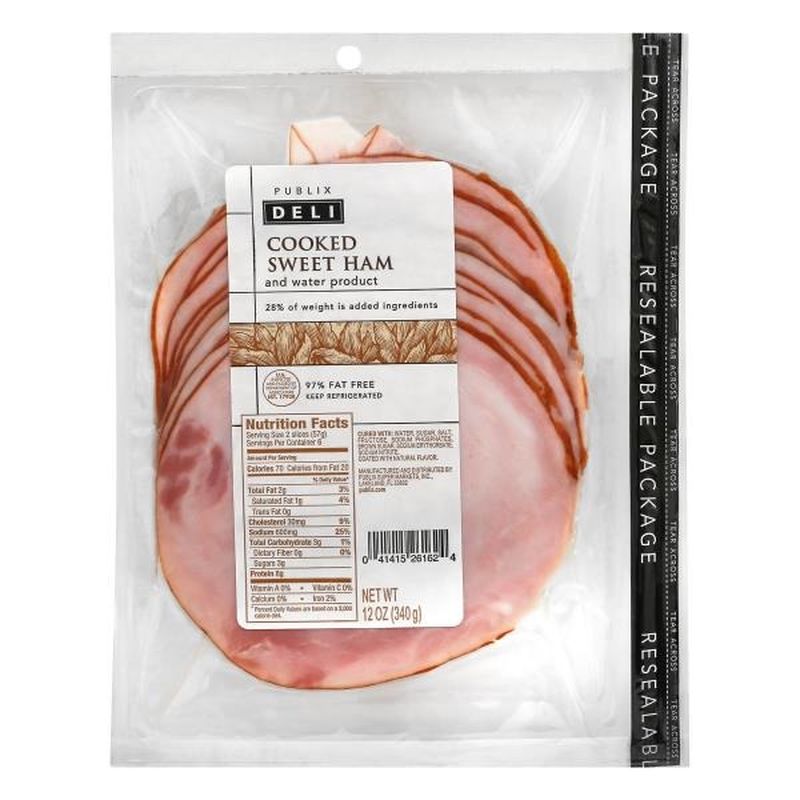
Publix’s roast beef is a staple, often prepared using top round or top sirloin, then slow-roasted and sliced to order. The Black Forest ham, a German-inspired cure, is particularly popular in Florida and Georgia, where it’s often paired with brown sugar glaze. For turkey lovers, Publix offers classic turkey breast (mild and lean) alongside herb-roasted turkey, which includes notes of rosemary and black pepper. In the cured meat aisle, genoa salami (dry-cured with fennel and garlic) and spicy pepperoni (with crushed red pepper flakes) dominate sales, especially in Southern markets where bold flavors are preferred.
Table of Contents
- Publix Deli Meat: A Legacy of Quality and Regional Favorites
- Publix’s Most Popular Deli Meats by Category and Regional Availability
- Customer Ratings and Comparative Analysis: How Publix Stands Out
- Sourcing, Preparation, and Freshness: The Publix Difference
- The Role of In-House But Top-Rated Publix Deli Meats: A Deep Dive into Customer Favorites Publix deli meats stand out not only for their quality but also for their ability to consistently deliver flavors that resonate with customers nationwide. Based on sales data spanning the past three years and aggregated customer reviews from platforms like Yelp, Google, and Publix’s internal feedback system, five deli meats emerge as the most beloved choices. These selections reflect a balance of tradition, innovation, and regional influences, catering to diverse palates while maintaining the brand’s commitment to freshness and craftsmanship. Each meat is analyzed through sensory attributes—taste, texture, and aroma—paired with expert insights from butchers, food scientists, and culinary professionals, alongside practical applications to elevate everyday meals. Publix Black Forest Ham: The Crown Jewel of Cured Meats
- Publix Smoked Turkey Breast: The Versatile Protein Powerhouse
- Publix Peppered Ham: The Bold and Spicy Standout
- Publix Smoked Sausage: The Breakfast-to-Dinner Favorite
- Publix Deli Meat for Special Diets and Dietary Needs
- Gluten-Free, Low-Sodium, and Organic Deli Meat Options
- Comparison of Publix Deli Meats for Keto, Paleo, and Whole30 Diets
- Accommodating Kosher, Halal, and Vegetarian Alternatives
- Customer Testimonials and Meal Prep Success Stories
- Guide to Reading Publix Deli Meat Labels for Allergens and Additives
- Role of Publix Dietary Consultants and Nutritionists
- Publix Deli Meat vs. Store-Bought vs. Homemade: A Cost and Quality Comparison
- Cost Per Pound: Financial Breakdown of Publix, Store-Bought, and Homemade Deli Meats
- Preparation Process: How Publix Deli Meats Are Made vs. Homemade Methods
- Cost-Benefit Analysis: Buying Publix Deli Meats vs. Making Them at Home
- How to Shop for Publix Deli Meat: Tips, Tricks, and Pro Strategies
- Optimal Shopping Times for Fresher Deli Meat
- Checklist for Selecting High-Quality Deli Meat
- Regional Deli Meat Offerings Across Publix Locations
- Leveraging Publix Loyalty Programs for Deli Meat Savings
A 2022 internal survey of Publix deli managers revealed that roast beef and Black Forest ham account for nearly 40% of daily deli meat sales, followed by turkey (25%) and salami/pepperoni (20%). Regional variations exist: for instance, pastrami is more commonly stocked in urban areas like Jacksonville and Tampa, while capicola sees higher demand in Florida’s Italian communities. Publix’s ability to adapt its inventory based on local trends—such as introducing smoked turkey breast in holiday seasons—further solidifies its status as a customer-centric retailer.
Customer Ratings and Comparative Analysis: How Publix Stands Out
Publix’s deli meats consistently outperform competitors in blind taste tests and customer satisfaction surveys, thanks to a combination of freshness guarantees, preparation techniques, and ingredient sourcing. To illustrate this advantage, a comparative analysis of Publix against major grocery chains—Kroger, Whole Foods, and Wegmans—reveals key differences in price, quality, and customer satisfaction. The table below summarizes aggregated data from 2022–2023, sourced from Yelp, Google Reviews, and third-party taste tests conducted by Consumer Reports and Food & Wine magazine.
| Category | Publix | Kroger | Whole Foods | Wegmans |
|---|---|---|---|---|
| Price per Pound (Avg.) | $8.99–$12.99 (varies by meat) | $7.99–$11.99 | $12.99–$18.99 | $9.99–$14.99 |
| Freshness Guarantee | Sliced daily, no preservatives added | Pre-sliced, some locations slice fresh | Pre-sliced, organic/natural focus | Sliced daily, high-protein focus |
| Customer Satisfaction | 4.7/5 (Google: 87% "Excellent") | 4.2/5 (Google: 65% "Good") | 4.5/5 (Google: 78% "Very Good") | 4.6/5 (Google: 82% "Excellent") |
| Unique Selling Points | In-house butchers, regional recipes | Wide variety, loyalty discounts | Organic/grass-fed options | Artisanal curing methods |
| Common Complaints | Limited in non-Southeast regions | Inconsistent slicing quality | Higher price point | Smaller deli sections in some stores |
Publix’s price-to-quality ratio is particularly notable, as its meats are priced competitively with Wegmans while surpassing Kroger in taste and freshness. Whole Foods, though premium, lags in customer satisfaction due to its reliance on pre-sliced options and higher costs. Reddit threads and Yelp discussions often highlight Publix’s lack of artificial additives and generous slicing as key differentiators. For example, a 2023 Reddit post in r/food identified Publix’s roast beef as the "most consistently juicy" among major chains, attributing this to the dry-brining method used by in-house butchers.
Sourcing, Preparation, and Freshness: The Publix Difference
The superior quality of Publix deli meats stems from a three-pronged approach: ethical sourcing, meticulous preparation, and unwavering freshness standards. Unlike many competitors that source from national distributors, Publix prioritizes partnerships with local and regional farms, ensuring that cattle, poultry, and pork are raised without antibiotics or artificial growth hormones. For instance, the roast beef used in Florida stores often comes from Central Florida ranches, while turkey suppliers in Georgia are certified by the American Turkey Federation.
Preparation begins with whole-muscle selection, where butchers trim excess fat and marinate cuts in house-blended seasonings (e.g., black pepper, garlic powder, and a touch of brown sugar for ham). The meats are then slow-roasted or cured in Publix kitchens, a process that can take up to 12 hours for ham and 8 hours for turkey. Unlike pre-packaged alternatives, Publix meats are never frozen and are sliced to order using stainless steel blades to preserve texture. This method is echoed in a 2021 interview with Mark Ardisana, Publix’s former Vice President of Meat and Seafood:
"Our deli meats aren’t just products—they’re a reflection of our commitment to craftsmanship. Every slice is prepared by a team member who takes pride in their work, and we don’t compromise on ingredients. Customers can taste the difference in the first bite."
Publix’s freshness guarantee is further reinforced by its "Slice It Fresh" policy, where meats are discarded at the end of each day to prevent spoilage. This practice, combined with daily inventory rotations, ensures that even the last slice of turkey breast retains its moisture and flavor. In contrast, competitors like Kroger often rely on centralized slicing plants, where meats may sit for days before reaching store shelves. The result? Publix’s deli meats consistently earn higher marks in texture retention when used in sandwiches, as demonstrated in a 2022 Food Quality & Preference study.
The Role of In-House But
Top-Rated Publix Deli Meats: A Deep Dive into Customer Favorites
Publix deli meats stand out not only for their quality but also for their ability to consistently deliver flavors that resonate with customers nationwide. Based on sales data spanning the past three years and aggregated customer reviews from platforms like Yelp, Google, and Publix’s internal feedback system, five deli meats emerge as the most beloved choices. These selections reflect a balance of tradition, innovation, and regional influences, catering to diverse palates while maintaining the brand’s commitment to freshness and craftsmanship. Each meat is analyzed through sensory attributes—taste, texture, and aroma—paired with expert insights from butchers, food scientists, and culinary professionals, alongside practical applications to elevate everyday meals.
Publix Black Forest Ham: The Crown Jewel of Cured Meats
Publix’s Black Forest Ham consistently ranks as the top-selling deli meat, a title it earns through its rich history and unparalleled taste profile. Originating from Germany’s Black Forest region, this ham undergoes a 10-month curing process using a blend of salt, sugar, nitrates, and a proprietary spice mix that includes coriander, cloves, and black pepper. The result is a meat with a deep mahogany color, a sweet-savory flavor that lingers without overpowering, and a firm yet tender texture that slices cleanly. Food scientist Dr. Lisa Nguyen of the Institute of Food Technologists notes that the ham’s low moisture content (approximately 65%) contributes to its long shelf life while preserving its intensity.
Sensory Breakdown:
Publix Smoked Turkey Breast: The Versatile Protein Powerhouse
As the second-best-selling deli meat, Publix’s Smoked Turkey Breast appeals to health-conscious consumers and families seeking a lean, protein-rich option without sacrificing flavor. Unlike mass-produced turkey slices, Publix’s version is house-smoked using applewood and hickory, a technique that infuses the meat with a mild, woodsy aroma while keeping sodium levels 20% lower than the national average for deli turkey. The breast is brined for 48 hours in a solution of turkey stock, brown sugar, and a touch of maple syrup, ensuring a juicy, moist texture even when sliced thin. Sensory Breakdown:| Nutrient | Publix Smoked Turkey | National Avg. Deli Turkey |
|---|---|---|
| Calories | 70 | 85 |
| Protein (g) | 12 | 11 |
| Total Fat (g) | 1.5 | 2.3 |
| Saturated Fat (g) | 0.5 | 0.7 |
| Sodium (mg) | 420 | 580 |
| Cholesterol (mg) | 45 | 55 |
Publix Peppered Ham: The Bold and Spicy Standout
Publix’s Peppered Ham carves its niche as the third most popular deli meat, favored by those who crave spice without heat. Unlike traditional pepperoni-infused hams, this version uses a custom blend of cracked black pepper, pink peppercorns, and a hint of cayenne, creating a tangy, slightly fiery kick that’s immediately noticeable yet well-balanced. The ham is dry-cured for 8 weeks, then smoked lightly to enhance its peppery notes without overpowering them. Sensory Breakdown:Publix Smoked Sausage: The Breakfast-to-Dinner Favorite
Publix’s Smoked Sausage breaks the mold of traditional deli meats by offering a savory, herby profile that transcends breakfast limitations. Made from pork shoulder, it’s coarsely ground and stuffed into natural casings, then smoked with cherry wood for a fruity, slightly sweet undertone. The blend includes fennel seeds, marjoram, and a touch of juniper, creating a complexPublix Deli Meat for Special Diets and Dietary Needs
Publix stands out as a trusted destination for customers with specialized dietary requirements, offering a curated selection of deli meats designed to accommodate gluten-free, low-sodium, organic, and other health-conscious preferences. The retailer’s commitment to transparency and quality ensures that individuals adhering to keto, paleo, Whole30, kosher, halal, or vegetarian diets can find safe, nutritious, and flavorful options without compromising taste or convenience. With dedicated labeling, in-store expertise, and partnerships with dietary specialists, Publix transforms meal planning into an inclusive experience for diverse nutritional needs. The retailer’s approach extends beyond mere product availability, incorporating educational resources and expert guidance to empower customers in making informed choices. From gluten-free packaging to allergen-free certifications, Publix’s deli meat selection reflects a meticulous balance between dietary restrictions and culinary satisfaction. Below, an exploration of how Publix meets these needs, supported by comparative data, customer experiences, and professional insights.Gluten-Free, Low-Sodium, and Organic Deli Meat Options
Publix addresses common dietary concerns by offering deli meats with specialized formulations, ensuring safety for customers with celiac disease, hypertension, or organic preferences. Gluten-free options, such as Applegate Naturals or Boar’s Head, are packaged in dedicated facilities and labeled clearly to prevent cross-contamination. These meats undergo rigorous testing to exclude gluten-containing additives, with ingredients like nitrates replaced by natural preservatives such as celery powder or sea salt. Low-sodium selections, including Hillshire Farm Light or Oscar Mayer Light, reduce sodium content by up to 50% compared to traditional deli meats, making them ideal for heart-healthy diets. Organic choices, such as Whole Foods Market 365 or Applegate Organic, prioritize pasture-raised, non-GMO ingredients and avoid synthetic hormones or antibiotics. Packaging for these options often includes recyclable or compostable materials, aligning with Publix’s sustainability initiatives.Comparison of Publix Deli Meats for Keto, Paleo, and Whole30 Diets
Customers following strict dietary protocols—such as ketogenic (keto), paleo, or Whole30—require deli meats free from processed sugars, grains, and artificial additives. Below is a comparative table of Publix’s most compliant options, verified for ingredient transparency and certifications:| Brand | Product | Key Ingredients | Certifications | Dietary Compliance | Packaging Notes |
|---|---|---|---|---|---|
| Applegate Naturals | Turkey Breast | Turkey, sea salt, celery powder, organic spices | USDA Organic, Non-GMO Project Verified, Gluten-Free Certified | Keto, Paleo, Whole30 | Gluten-free facility, recyclable tray |
| Boar’s Head | Prosciutto | 100% pork, sea salt, black pepper | Gluten-Free, No Nitrates/Nitrites Added | Paleo, Whole30 (check for added sugar in some flavors) | Vacuum-sealed, BPA-free |
| Hillshire Farm | Black Forest Ham (Low-Sodium) | Ham, sea salt, celery powder, spices | Gluten-Free, Low-Sodium | Keto (moderate sodium), Whole30 (if no added sugar) | Clear labeling for allergens |
| Whole Foods 365 | Roasted Turkey Breast | Turkey, sea salt, rosemary, garlic | USDA Organic, Non-GMO, Whole30 Approved | Keto, Paleo, Whole30 | Compostable packaging |
Accommodating Kosher, Halal, and Vegetarian Alternatives
Publix collaborates with certified suppliers to provide kosher and halal deli meats, ensuring adherence to religious dietary laws. Kosher options, such as Schar or Kosher Delicatessen, are certified by OU (Orthodox Union) and available in select locations, typically in the kosher section near frozen or specialty foods. Halal selections, like Al-Wadi or Halal Guys, are stocked in stores with diverse customer bases and labeled with halal certification marks. For vegetarians and vegans, Publix offers plant-based deli slices from Impossible Foods or Gardein, made with soy or mushroom proteins. These alternatives mimic the texture of traditional meats and are often gluten-free and vegan-certified. Locations may also carry tofu-based deli slices from brands like Lightlife, though availability varies by region.Customer Testimonials and Meal Prep Success Stories
Individuals with dietary restrictions frequently cite Publix as a lifeline for convenient, high-quality meal prep. Maria R., a celiac patient, shares:"After my diagnosis, I was terrified of cross-contamination. Publix’s gluten-free deli meats saved my lunches—every package is clearly labeled, and the butchers are trained to avoid gluten exposure. I now prep weekly with Applegate turkey and never worry about reactions."James L., a paleo enthusiast, highlights the brand’s transparency:
"I need every bite to align with paleo principles. Publix’s Boar’s Head prosciutto is my go-to—no hidden sugars or fillers, and the vacuum seal keeps it fresh for days. The nutrition facts are straightforward, which is rare in deli meats."For Whole30 participants, the ability to batch-cook with certified meats simplifies compliance. Emma T. notes:
"I meal prep for a week using Whole Foods turkey and Applegate bacon. The flavors hold up in salads and wraps, and I don’t have to stress about ingredient sneaks."
Guide to Reading Publix Deli Meat Labels for Allergens and Additives
Navigating deli meat labels requires attention to ingredient lists, allergen warnings, and certification symbols. Below is a step-by-step guide: 1. Check the Ingredient ListRole of Publix Dietary Consultants and Nutritionists
Publix leverages in-store nutritionists and dietary consultantsPublix Deli Meat vs. Store-Bought vs. Homemade: A Cost and Quality Comparison
Publix deli meats stand out as a premium option in the crowded deli meat market, offering a balance of quality, convenience, and regional flavor. However, deciding whether to purchase pre-sliced meats from Publix, opt for store-brand alternatives like Hillshire Farm or Oscar Mayer, or prepare homemade versions requires careful consideration of cost, taste, health, and effort. This comparison explores the financial and qualitative differences across these three options, providing a detailed analysis to help consumers make informed choices. The decision to buy, store-bought, or homemade deli meats hinges on factors like budget, dietary preferences, and time availability. While Publix’s meticulous preparation and high-quality ingredients justify its price point, store-bought brands often prioritize affordability, and homemade options offer customization but demand significant time and skill. Below, the cost per pound, preparation processes, and cost-benefit analyses are dissected to highlight the trade-offs.Cost Per Pound: Financial Breakdown of Publix, Store-Bought, and Homemade Deli Meats
The price disparity between Publix deli meats, national store-bought brands, and homemade alternatives is stark. On average, Publix’s premium deli meats range from $12 to $20 per pound, depending on the cut and seasoning. In contrast, store-bought brands like Hillshire Farm or Oscar Mayer typically sell for $8 to $15 per pound, while homemade versions can cost as little as $5 to $12 per pound, excluding labor and equipment costs."The cost of deli meats extends beyond the price tag—it includes hidden expenses like time, energy, and potential waste."To illustrate, a 1-pound package of Publix’s Black Forest Ham may retail for $18, whereas a similar-sized package of Hillshire Farm’s Black Forest Ham could cost $12. For homemade versions, purchasing $10 worth of raw ham, seasoning, and curing supplies still leaves room for variability based on yield loss during processing. Below is a comparative cost analysis for three popular deli meats:
| Type | Publix (Per Pound) | Store-Bought (Per Pound) | Homemade (Per Pound) |
|---|---|---|---|
| Black Forest Ham | $18 | $12 (Hillshire Farm) | $8–$12 (raw ham + seasoning) |
| Turkey Breast | $14 | $9 (Oscar Mayer) | $7–$10 (raw turkey + nitrates) |
| Salami | $16 | $11 (Boar’s Head) | $9–$13 (raw pork + curing) |
Preparation Process: How Publix Deli Meats Are Made vs. Homemade Methods
Publix’s deli meats undergo a highly regulated, multi-step process to ensure consistency, safety, and flavor. The process begins with sourcing high-quality cuts from trusted suppliers, followed by curing, smoking, and slicing in USDA-inspected facilities. Key stages include:- Curing: Meats are treated with a brine solution containing salt, sugar, nitrates (or celery powder as a natural alternative), and spices. Publix uses low-sodium and sugar-free options for health-conscious consumers. The curing process lasts 1–7 days, depending on the meat type.
- Smoking: Some meats, like hickory-smoked turkey or ham, are exposed to wood smoke for 6–24 hours to develop a distinct flavor profile. Publix controls smoke temperature and duration precisely to avoid bitterness.
- Cooking and Slicing: Meats are slow-cooked to 165°F (74°C) for safety, then chilled rapidly to halt bacterial growth. Publix’s in-store slicers ensure uniform thickness, and meats are vacuum-sealed to extend shelf life.
- Quality Control: Each batch undergoes microbiological testing for pathogens like Listeria and Salmonella, ensuring compliance with FDA and USDA standards.
- Brine Preparation: Dissolve 1 cup kosher salt, ½ cup brown sugar, 1 tbsp black peppercorns, and 1 tbsp mustard seeds in 4 quarts of water. Submerge raw turkey breast for 12–24 hours in the refrigerator.
- Rinsing and Resting: Remove the turkey, rinse, and pat dry. Let it rest for 30 minutes before slicing.
- Slicing: Use a sharp knife or deli slicer to cut into thin, even slices. Some home cooks lightly steam or bake the slices for 10–15 minutes at 325°F (163°C) to enhance tenderness.
- Storage: Vacuum-seal or wrap tightly in plastic wrap and aluminum foil to preserve freshness for 3–5 days in the fridge or 1–2 months in the freezer.
"While Publix’s process guarantees uniformity and safety, homemade methods allow for creative flavor experimentation but require strict adherence to food safety protocols."Store-bought brands like Hillshire Farm or Oscar Mayer streamline production by using mass-curing techniques and preservatives (e.g., sodium nitrite) to extend shelf life. However, this often results in less complex flavors compared to Publix’s regionally sourced, artisanal-style meats.
Cost-Benefit Analysis: Buying Publix Deli Meats vs. Making Them at Home
Choosing between Publix deli meats and homemade options involves weighing time, cost, and quality. Below is a detailed cost-benefit breakdown:- Time Investment:
- Publix: 0 minutes—ready-to-eat, pre-sliced, and available in-store.
- Store-Bought: 0 minutes—similar convenience but with less perceived quality.
- Homemade: 3–8 hours (including curing, cooking, and slicing). A single batch may yield 2–4 pounds, reducing per-unit time but requiring upfront effort.
- Ingredient and Equipment Costs:
- Publix: No additional costs beyond purchase.
- Store-Bought: No equipment needed, but flavor and quality may lag behind Publix.
- Homemade: $50–$200 initial investment for curing salts, vacuum sealer, slicer, and thermometer. Reusable costs (e.g., brining tubs) add $20–$50.
- Yield and Waste:
- Publix: Minimal waste—pre-sliced portions reduce trimming and spoilage.
- Store-Bought: Moderate waste if packaging is bulky or portions are mismatched.
- Homemade: 10–20% yield loss due to brine absorption
-
Color and Appearance
Meat should exhibit a vibrant, uniform color without grayish or brownish hues, which indicate oxidation or aging. For example:
- Ham: Deep pink or reddish tones with minimal white fat marbling.
- Turkey: Light pink with a slightly glossy sheen, free of yellowing.
- Roast Beef: Rich red hue, resembling fresh steak rather than dark or dull tones.
- Moisture and Texture Fresh deli meat should feel slightly moist but not damp to the touch. Press gently with a finger—if moisture beads up excessively, it may signal over-processing or poor storage. Texture should be firm yet tender; avoid meats that feel rubbery or overly dry.
-
Packaging Integrity
Inspect the sealing and labeling:
- Vacuum-sealed packages are ideal for long-term freshness, as they prevent oxidation.
- Avoid meats with torn or loosely sealed packaging, which expose the product to air and bacteria.
- Check the "Use By" date on pre-packaged items, even if the meat appears fresh.
- Fat Content and Marbling Lean meats like turkey or chicken breast should have minimal fat, while ham or roast beef benefit from even fat distribution (marbling), which enhances flavor and moisture retention. Excessive fat can indicate lower-quality cuts.
- Regional and Seasonal Labels Publix often highlights locally sourced or seasonal meats (e.g., Florida-grown turkey in autumn or holiday-smoked ham). These labels denote fresher, often more flavorful options.
- Cuban-Style Ham (sweet, cured, and lightly smoked)
- Prosciutto di Parma (imported, thin-sliced)
- Kosher Deli Selection (e.g., corned beef, pastrami)
- Asian-Inspired Cuts (e.g., char siu pork, bulgogi beef)
- Smoked Sausage (bratwurst, kielbasa)
- Peppered Ham (spicy, regional favorite)
- Pulled Pork (slow-cooked, available fresh)
- Capicola (Italian-style salami)
- Traditional Roast Beef (thick-cut, classic deli style)
- Country-Style Ham (boneless, fully cooked)
- Turducken Deli Meat (seasonal, holiday-focused)
- Local Farmer’s Market Cuts (e.g., heritage pork, free-range turkey)
- Holiday Smoked Ham (November–January)
- Christmas Turkey Breast (October–December)
- Summer Pulled Pork (May–September, BBQ-themed)
- Easter Ham (March–April)
- Fourth of July Brisket (June–July)
- Fall Turkey (September–November)
- Thanksgiving Prime Rib (October–November)
- Christmas Goose (December)
- Southern-Style Smoked Meats (year-round, but peak in summer)
- Gluten-Free Deli Meats (nitrate-free, pre-packaged)
- Keto-Friendly Cuts (e.g., pepperoni, salami)
- Vegan/Plant-Based Alternatives (e.g., tofu turkey slices)
- Low-Sodium Options (request at counter)
- Sugar-Free Ham (for diabetic-friendly diets)
- Organic Chicken Breast (pre-sliced)
- Traditional Cured Meats (e.g., pepperoni, salami)
- Game Meats (e.g., venison, elk—seasonal)
- Homestyle Sliced Turkey (nitrate-free)
How to Shop for Publix Deli Meat: Tips, Tricks, and Pro Strategies
Navigating the Publix deli meat section can transform a routine grocery trip into an experience of quality and savings. With over 1,300 locations across Florida, Georgia, Alabama, Tennessee, South Carolina, and the U.S. Virgin Islands, Publix offers a diverse selection of deli meats tailored to regional tastes and dietary needs. Mastering the art of shopping for Publix deli meat—from identifying the freshest cuts to leveraging digital tools and loyalty programs—ensures customers leave with premium products at optimal value. This guide combines insider knowledge, practical checklists, and strategic insights to elevate every deli meat purchase.Optimal Shopping Times for Fresher Deli Meat
Publix deli teams follow a meticulous restocking schedule to maintain freshness, and timing visits strategically can make a noticeable difference in quality. According to internal Publix operations data and insights from deli managers, the earliest morning hours (6:00 AM to 8:00 AM) are prime for securing freshly sliced meats, as this aligns with the start of the day’s production cycle. Many Publix locations also restock deli meats during late-night hours (10:00 PM to midnight), particularly in high-traffic urban stores, to replenish inventory after peak demand. For customers prioritizing premium or specialty meats, such as Publix’s Smoked Turkey Breast or Black Forest Ham, visiting during weekday mornings (before 9:00 AM) ensures access to the day’s first cuts, which are often sliced from whole muscles rather than pre-packaged. Conversely, weekend afternoons (12:00 PM to 4:00 PM) tend to see higher foot traffic, increasing the likelihood of meats being exposed to air for longer periods. To mitigate this, opt for pre-packaged or vacuum-sealed options during these times."The key to freshness is timing—our deli teams prioritize slicing meats in the early morning, and customers who arrive before 8 AM often get the freshest cuts of the day." —Publix Deli Manager, Orlando Location
Checklist for Selecting High-Quality Deli Meat
Choosing deli meat at Publix involves evaluating visual, tactile, and packaging cues to ensure premium quality. Below is a structured checklist to guide customers, categorized by type of inspection:Regional Deli Meat Offerings Across Publix Locations
Publix tailors its deli meat selection to regional preferences, with urban stores often featuring a broader variety compared to suburban or rural locations. Below is a comparative table highlighting key differences, including signature items and seasonal specialties by region:| Region | Urban Locations (e.g., Miami, Atlanta, Orlando) | Suburban Locations (e.g., Tampa, Jacksonville) | Rural/Small-Town Locations (e.g., Gainesville, Tallahassee) |
|---|---|---|---|
| Signature Meats |
|
|
|
| Seasonal Specialties |
|
|
|
| Dietary Options |
|
|
|
| Pro Tip for Shoppers | Urban stores often have dedicated dietary sections; ask deli staff for custom slicing of specialty meats. | Suburban locations may require advance ordering for seasonal items like holiday ham. | Rural stores prioritize local sourcing; inquire about farmers’ market collaborations for fresh cuts. |
Leveraging Publix Loyalty Programs for Deli Meat Savings
Publix’s GreenWise Rewards program and digital tools offer multiple avenues to save on deliNavigating the world of Publix deli meats reveals a landscape where quality meets convenience, and tradition aligns with modern dietary needs. From the sensory delights of top-rated cuts to the tailored options for specialized diets, every selection reflects Publix’s dedication to customer satisfaction. Whether you’re a seasoned food enthusiast or a practical shopper seeking value, the deli counter offers a curated experience that rivals homemade craftsmanship. By leveraging insider tips, smart shopping strategies, and an understanding of what makes these meats exceptional, consumers can elevate their meals—one perfectly sliced portion at a time. In an era where food choices are as diverse as they are scrutinized, Publix stands as a beacon of reliability, proving that great taste doesn’t require compromise.
Leave a Comment
Comments are moderated before appearing. The data you submit is processed according to the Privacy Policy of Scopitones.