Best Laptop For Work Choosing the Perfect Machine for Productivity
The modern workplace demands more than just a functional device—it requires a machine that seamlessly adapts to diverse demands, from coding marathons to high-stakes presentations. With remote work reshaping industries and AI-driven tasks pushing hardware limits, selecting the right laptop isn’t just about specs; it’s about aligning technology with real-world productivity. Whether you’re a data analyst crunching numbers or a designer rendering 4K visuals, the wrong choice can mean wasted time, frustration, and even career setbacks.
Yet, navigating the sea of options—Intel’s latest CPUs, AMD’s power efficiency, Apple’s M-series dominance, or the resurgence of Linux-friendly alternatives—can feel overwhelming. This guide cuts through the noise by breaking down critical factors: how a 16GB RAM bottleneck stalls multitasking, why a dedicated GPU transforms video editing workflows, and how a lightweight ultrabook might fail under sustained engineering workloads. From the ultra-portable MacBook Air to the rugged HP ZBook Fury, every recommendation is grounded in performance benchmarks, real user reviews, and the hidden costs that extend beyond the sticker price.
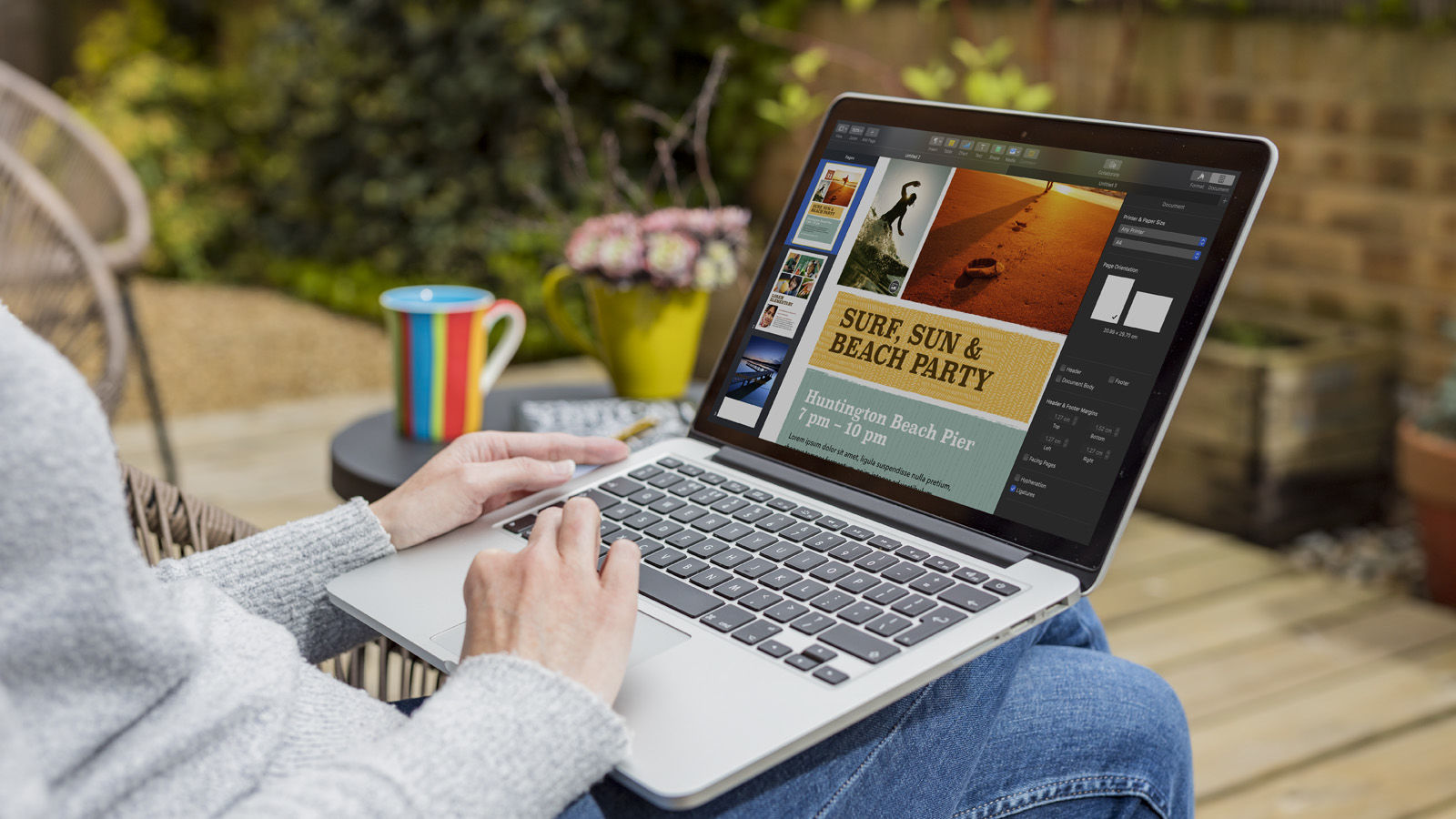
Understanding Work Requirements for Laptops: Aligning Hardware with Professional Needs

The right laptop for work is not a one-size-fits-all solution. Professionals across industries—from graphic designers to data scientists—rely on devices tailored to their specific demands. Hardware and software requirements vary drastically depending on job functions, daily tasks, and emerging technological trends. A developer coding in Python requires a different configuration than a video editor rendering 8K footage, and a remote executive’s needs differ entirely from a field researcher’s. Understanding these distinctions ensures optimal productivity, cost-efficiency, and long-term usability. Below, we dissect the core categories of work roles, their essential tasks, and how these influence critical laptop specifications such as CPU, RAM, GPU, and portability.
Core Work Roles and Their Unique Hardware Demands

Work roles can be broadly categorized into five groups, each with distinct hardware and software priorities. These categories include creative professionals, developers, data analysts, executives, and students, though some roles may overlap. For instance, a UX designer might blend creative and development tasks, requiring a balance of GPU power and coding efficiency. Below is a breakdown of the primary roles and their foundational needs:
- Creative Professionals (e.g., graphic designers, video editors, animators) - Primary Tasks: Rendering high-resolution visuals, multitasking with design software (Adobe Creative Suite, Blender), and real-time color grading. - Key Hardware Needs: High-end GPU (NVIDIA RTX or AMD Radeon Pro), fast SSD storage (1TB+ NVMe), and color-accurate displays (100% sRGB, P3 coverage). - Example Use Case: A motion graphics artist editing 4K timelines in Premiere Pro alongside After Effects compositions.
- Developers (e.g., software engineers, web developers, DevOps specialists) - Primary Tasks: Coding in languages like Python, JavaScript, or C++, debugging, and running virtual machines or Docker containers. - Key Hardware Needs: Fast CPU (Intel Core i7/i9 or AMD Ryzen 7/9), ample RAM (16GB minimum, 32GB+ for VMs), and lightweight yet powerful OS (Linux, Windows, or macOS for specific frameworks). - Example Use Case: A backend developer managing Kubernetes clusters and compiling large-scale applications in Go.
Table of Contents
- Understanding Work Requirements for Laptops: Aligning Hardware with Professional Needs
- Core Work Roles and Their Unique Hardware Demands
- Task-Specific Specifications: Matching Hardware to Daily Workloads
- Critical Specifications to Evaluate When Selecting a Work Laptop
- CPU Architectures and Their Impact on Work Performance
- RAM Capacity and Type: Balancing Cost and Multitasking Needs
- Storage Technologies: NVMe SSDs and Real-World Speed Differences
- Display Technology: OLED vs. IPS and Color Accuracy for Professionals
- Cooling Systems and Thermal Throttling: Sustaining Performance Under Load
- Underrated Features: Thunderbolt 4, USB-C Versatility, and Biometric Top Laptop Models by Category: Performance, Versatility, and Specialized Use Cases Selecting the right laptop hinges on matching hardware capabilities with professional demands. While critical specifications like CPU, RAM, and storage form the foundation, real-world performance is dictated by how well a model aligns with specific workflows. This section evaluates standout laptops across five key categories—business/office, creative work, development/coding, data science/engineering, and hybrid work—alongside niche solutions for specialized needs. A decision matrix and warranty analysis further refine choices, ensuring long-term productivity and cost efficiency. Comparative Overview of Leading Laptops by Category
- Budget Considerations and Hidden Costs in Work Laptop Selection
- Total Cost of Ownership (TCO) Over Three Years: Beyond the Sticker Price
- Tiered Budget Guide: Balancing Performance and Affordability
- Depreciation Trends and Strategies to Mitigate Value Loss
- Data Analysts and Scientists - Primary Tasks: Running statistical models (R, Python libraries like Pandas/NumPy), processing large datasets, and visualizing trends in tools like Tableau or Jupyter Notebooks. - Key Hardware Needs: Multi-core CPU (Intel i7/i9 or Ryzen 9), high RAM (32GB+), and efficient cooling for sustained workloads. - Example Use Case: A data scientist training machine learning models on 100GB+ datasets using TensorFlow.
- Executives and Remote Professionals - Primary Tasks: Video conferencing (Zoom, Microsoft Teams), document collaboration (Google Workspace, Microsoft 365), and managing emails/schedules. - Key Hardware Needs: Lightweight design (under 3 lbs), long battery life (10+ hours), and reliable webcam/microphone for seamless remote meetings. - Example Use Case: A CEO traveling frequently who relies on a laptop for client calls and presentations.
- Students and Hybrid Workers - Primary Tasks: Note-taking (digital inking), multitasking between lectures and assignments, and lightweight coding or design projects. - Key Hardware Needs: Balanced performance (mid-range CPU/GPU), 2-in-1 convertible form factor, and durable build for classroom or café use. - Example Use Case: A computer science student switching between Python assignments, PowerPoint presentations, and handwritten notes via a stylus.
Task-Specific Specifications: Matching Hardware to Daily Workloads
Not all tasks demand the same level of computational power. Below is a comparison table outlining how different professional tasks influence laptop specifications, including CPU, RAM, GPU, and storage requirements.
| Task Type | Key Hardware Requirement | Recommended Specs | Example Use Cases | |||||||||||||||||||||||||||||||||||||||||||||||||||||||||||||||||||||||||||||||||||||||||||||||||||||||
|---|---|---|---|---|---|---|---|---|---|---|---|---|---|---|---|---|---|---|---|---|---|---|---|---|---|---|---|---|---|---|---|---|---|---|---|---|---|---|---|---|---|---|---|---|---|---|---|---|---|---|---|---|---|---|---|---|---|---|---|---|---|---|---|---|---|---|---|---|---|---|---|---|---|---|---|---|---|---|---|---|---|---|---|---|---|---|---|---|---|---|---|---|---|---|---|---|---|---|---|---|---|---|---|---|---|---|
| 4K/8K Video Editing | GPU, CPU, RAM, Storage |
|
|
|||||||||||||||||||||||||||||||||||||||||||||||||||||||||||||||||||||||||||||||||||||||||||||||||||||||
| Software Development | CPU, RAM, OS Compatibility |
|
|
|||||||||||||||||||||||||||||||||||||||||||||||||||||||||||||||||||||||||||||||||||||||||||||||||||||||
| Data Analysis and Machine Learning | CPU Cores, RAM, Cooling |
|
|
|||||||||||||||||||||||||||||||||||||||||||||||||||||||||||||||||||||||||||||||||||||||||||||||||||||||
| Remote Collaboration and Productivity | Battery Life, Portability, Webcam |
|
|
|||||||||||||||||||||||||||||||||||||||||||||||||||||||||||||||||||||||||||||||||||||||||||||||||||||||
| Fieldwork and Mobility | Durability, Battery, Connectivity |
|
RAM Capacity and Type: Balancing Cost and Multitasking NeedsRandom Access Memory (RAM) directly affects how many applications and data a laptop can process simultaneously. While 16GB suffices for office work, 32GB–64GB becomes critical for AI-driven tools, virtual machines, or 4K video editing. DDR5 (faster than DDR4) is standard in high-end models, but latency (CL value) matters more than raw speed for most professional tasks.
Storage Technologies: NVMe SSDs and Real-World Speed DifferencesStorage speed impacts boot times, file transfers, and large-project handling. NVMe SSDs (PCIe 4.0/5.0) outperform SATA SSDs by 3–5x, but real-world performance varies due to controller quality and QD (Queue Depth). For example:
Display Technology: OLED vs. IPS and Color Accuracy for ProfessionalsDisplay choice depends on use case:"For professional color grading, Adobe RGB (99%+ coverage) is critical, while sRGB (100%) suffices for web design. DCI-P3 (98%+) is ideal for video production." — SMPTE DCI Standards, 2023Refresh Rate Matters for Designers: Cooling Systems and Thermal Throttling: Sustaining Performance Under LoadLaptops with poor thermal design suffer thermal throttling, where CPU/GPU clocks drop under sustained loads (e.g., Blender rendering, Excel with PivotTables). High-end models use: 1. Vapor Chamber + Heat Pipes: Distributes heat efficiently (e.g., Razer Blade 18, MSI Titan 18). 2. Dual-Fan Systems: Active cooling for GPUs (e.g., ASUS ROG Strix G16). 3. Passive Cooling (Ultrabooks): Sacrifices performance for silence (e.g., MacBook Air M2). ASCII Diagram of Heat Dissipation Layers: [CPU/GPU] → [Vapor Chamber] → [Heat Pipes] → [Fin Array] → [Fan Exhaust] ↑ ↑ ↑ [Thermal Paste] [Heat Sink] [Cooling Fan] Real-World Impact: A Lenovo ThinkPad P1 Gen 5 maintains 95°C+ CPU temps under Cinebench R23, while a Dell Precision 7770 throttles at 85°C, reducing performance by 15–20% in prolonged tests.Underrated Features: Thunderbolt 4, USB-C Versatility, and Biometric
|
| Category | Model | Pros | Cons | ||||||||||||||||||||||||||||||||||
|---|---|---|---|---|---|---|---|---|---|---|---|---|---|---|---|---|---|---|---|---|---|---|---|---|---|---|---|---|---|---|---|---|---|---|---|---|---|
| Business/Office | Dell XPS 13 (9315) |
|
|
||||||||||||||||||||||||||||||||||
| MacBook Air (M2, 2022) |
|
|
|||||||||||||||||||||||||||||||||||
| Creative Work | Microsoft Surface Laptop Studio |
|
|
||||||||||||||||||||||||||||||||||
| Lenovo ThinkPad P1 |
|
|
|||||||||||||||||||||||||||||||||||
| Development/Coding | Framework Laptop 13 (AMD Ryzen 7 PRO 6850U) |
|
|
||||||||||||||||||||||||||||||||||
| Razer Blade Stealth 14 |
|
|
|||||||||||||||||||||||||||||||||||
| Data Science/Engineering | HP ZBook Fury 16 G9 |
Tiered Budget Guide: Balancing Performance and AffordabilitySelecting a laptop within a specific budget requires aligning hardware capabilities with professional demands. Below is a four-tier budget framework, including recommended models, trade-offs, and ideal use cases.Key Trade-Offs by Budget Tier:
Depreciation Trends and Strategies to Mitigate Value LossLaptops depreciate faster than most electronics, with high-end models losing 40–60% of their value in two years. This trend is driven by rapid technological advancements, planned obsolescence, and market saturation. Below are real-world depreciation examples and strategies to extend value: Depreciation Examples (Based on Refurbished Market Data):The ideal laptop for work isn’t a one-size-fits-all solution—it’s a tailored tool that evolves with your career. By prioritizing specs that match your daily tasks, weighing portability against performance, and accounting for long-term costs like software subscriptions and depreciation, you can make an investment that lasts. Whether you opt for a budget-friendly Chromebook for office tasks or a high-end workstation for AI development, the right choice empowers efficiency, creativity, and resilience in an ever-changing professional landscape. The perfect machine isn’t just about power; it’s about partnership in productivity. |
Leave a Comment
Comments are moderated before appearing. The data you submit is processed according to the Privacy Policy of Scopitones.