Best Halloween Movies That Haunt Pop Culture Forever
Every October, screens transform into gateways to terror, whimsy, and nostalgia as Halloween movies dominate global viewership. From the silent-era shadows of The Cabinet of Dr. Caligari to the CGI-driven monstrosities of today, these films have evolved alongside societal fears, technological leaps, and shifting cultural tastes. The genre’s resilience lies in its ability to reinvent itself—whether through the slashers of the '70s, the supernatural chills of the 2000s, or the folk horror revivals of recent years.
The best Halloween movies do more than entertain; they become cultural touchstones, spawning memes, merchandise, and annual marathons that turn living rooms into haunted theaters. Whether you crave the adrenaline of a masked killer, the eerie charm of stop-motion nightmares, or the dark humor of supernatural comedies, the right film can turn an ordinary evening into an unforgettable experience. Behind every iconic scene lies a story of creative risks, behind-the-scenes ingenuity, and the perfect blend of fear and fascination.
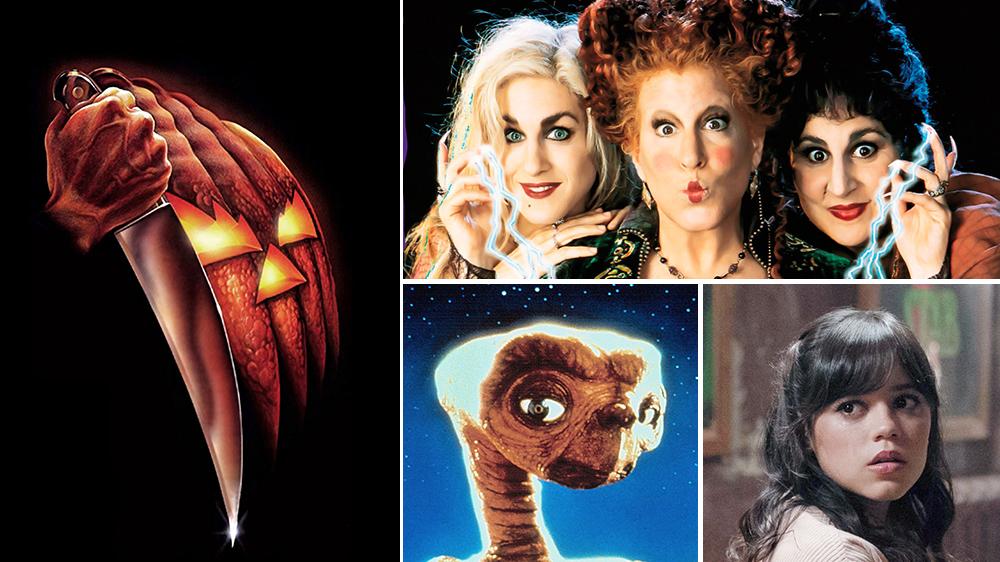
The Evolution of Halloween Movies: From Classic to Modern

The history of Halloween movies is a tapestry of cultural shifts, technological breakthroughs, and creative reinvention. From the eerie shadows of silent-era horror to the hyper-realistic CGI spectacles of today, these films have mirrored societal fears, technological advancements, and evolving audience tastes. The genre’s progression reflects broader changes in cinema itself—from the psychological dread of German Expressionism to the visceral thrills of modern slasher and supernatural thrillers. This evolution is not merely chronological but also a reflection of how Halloween, as a cultural phenomenon, has been reimagined through each era’s artistic and technical capabilities.
Early Foundations: Horror and Fantasy Before the 1970s
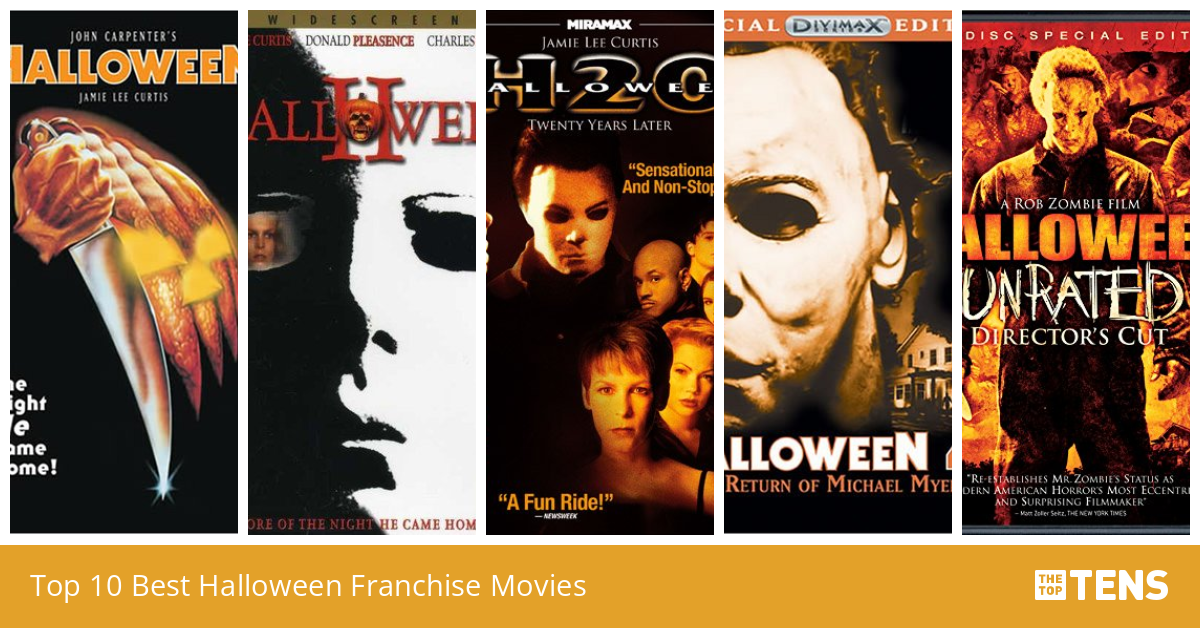
The seeds of Halloween-themed cinema were sown long before the holiday became a mainstream cinematic event. Early horror films drew inspiration from folklore, Gothic literature, and psychological experiments, often blending the macabre with fantasy. German Expressionist cinema, particularly The Cabinet of Dr. Caligari (1920), introduced distorted visuals and surreal storytelling, setting the tone for films that would later embrace Halloween’s themes of madness and the supernatural. Meanwhile, Universal Studios’ monster movies—Dracula (1931), Frankenstein (1931), and The Wolf Man (1941)—established archetypes that would resurface in Halloween narratives, particularly the idea of cursed beings emerging from the night.
These films relied on practical effects, shadow play, and minimal dialogue to create unease, leveraging the power of suggestion rather than explicit gore. The lack of sound in early cinema forced directors to emphasize visual storytelling, a technique that would later influence the slow-burn tension of modern horror. By the 1950s and 1960s, horror films began incorporating color, wider screens, and more elaborate sets, but the core themes remained rooted in Gothic horror and supernatural terror. Films like House on Haunted Hill (1959) and The Haunting (1963) experimented with psychological horror, foreshadowing the shift toward more cerebral Halloween-themed storytelling.
Chronological Milestones: Key Decades and Cultural Shifts
The trajectory of Halloween movies can be divided into distinct phases, each marked by cultural, technological, and artistic revolutions. Below is a timeline of pivotal moments that shaped the genre:
Table of Contents
- The Evolution of Halloween Movies: From Classic to Modern
- Early Foundations: Horror and Fantasy Before the 1970s
- Chronological Milestones: Key Decades and Cultural Shifts
- Comparative Analysis: Pre-2000s Classics vs. Post-2000s Innovations
- Technological Advancements and Visual Storytelling
- Must-Watch Halloween Movies by Genre: A Categorized Guide
- Top 15 Halloween Movies Categorized by Genre
- Why Genres Resonate with Different Audiences
- Behind the Scenes: How Halloween Movies Are Made
- Pre-Production: Script Development, Location Scouting, and Casting Iconic Roles
- Practical Effects vs. CGI: The Evolution of Horror Visuals
- Directorial Choices Defining Tone: From Carpenter’s Minimalism to Burton’s Whimsy
- Budget, Runtime, and Box Office Success: A Comparative Analysis of Iconic Films
- 1920s–1950s: The birth of horror as a distinct genre, with German Expressionism and Universal Monsters laying the groundwork for supernatural and Gothic narratives. - 1960s: The rise of psychological horror, influenced by the Cold War’s paranoia and the counterculture movement. Films like Rosemary’s Baby (1968) blended horror with social commentary, reflecting anxieties about religion, parenthood, and societal control. - 1970s: The slasher era dawned with Halloween (1978), which redefined the genre by focusing on a masked killer rather than supernatural forces. This decade also saw the emergence of The Exorcist (1973), which pushed the boundaries of horror with its graphic content and religious themes. - 1980s: The era of special effects and campy fun, epitomized by The Nightmare Before Christmas (1993) and Hocus Pocus (1993). This decade also introduced the "screaming queen" trope and over-the-top gore, as seen in Friday the 13th (1980) and Evil Dead II (1987). - 1990s: A mix of nostalgia and innovation, with remakes like Halloween (1981) and Nightmare on Elm Street (1984) dominating, alongside groundbreaking films like Scream (1996), which self-awarely deconstructed slasher tropes. - 2000s–Present: The digital revolution transformed visual effects, enabling hyper-realistic CGI in films like The Conjuring (2013) and Sinister (2012). Meanwhile, indie films like Trick 'r Treat (2007) and Krampus (2015) revitalized the genre with fresh, subversive storytelling.
Comparative Analysis: Pre-2000s Classics vs. Post-2000s Innovations
The transition from pre-2000s Halloween classics to modern hits reveals a shift in tone, technology, and audience expectations. Pre-2000s films often prioritized atmosphere, practical effects, and character-driven narratives, while post-2000s movies frequently emphasize high-octane action, CGI-enhanced scares, and meta-commentary on horror tropes.
Pre-2000s Classics: - Tone: These films balanced horror with humor, whimsy, or social satire. Hocus Pocus (1993) blended family-friendly scares with comedic relief, while The Nightmare Before Christmas (1993) merged Halloween and Christmas aesthetics into a surreal fantasy. Halloween (1978) relied on tension and suspense, with Michael Myers’ minimal dialogue amplifying his menace. - Special Effects: Practical effects dominated, from the stop-motion animation in The Nightmare Before Christmas to the prosthetic makeup in Halloween. The limitations of technology forced creativity, leading to iconic imagery like Jason Voorhees’ machete or Freddy Krueger’s glove. - Audience Expectations: Viewers sought escapism and nostalgia. Films like Beetlejuice (1988) and The Addams Family (1991) played on cultural familiarity, while slashers delivered visceral thrills without the need for excessive CGI.
Post-2000s Innovations: - Tone: Modern films often adopt a grittier, more realistic approach, as seen in The Conjuring (2013) and Hereditary (2018), which prioritize psychological horror over jump scares. Meanwhile, anthologies like Trick 'r Treat (2007) and Creepy Tales (2019) offer episodic storytelling that appeals to horror aficionados. - Special Effects: CGI has become a staple, enabling breathtaking visuals in films like The Grudge (2004) and Insidious (2010). However, some directors, like Robert Eggers in The Witch (2015), have revived practical effects to create a more tactile, immersive experience. - Audience Expectations: Today’s viewers demand a mix of spectacle and substance. Films like Get Out (2017) and Midsommar (2019) use horror as a vehicle for social commentary, while franchises like Halloween (2018) and Smile (2022) cater to both hardcore fans and casual audiences with sequels and reboots.
Technological Advancements and Visual Storytelling
The evolution of Halloween movies is inextricably linked to advancements in filmmaking technology. Each era’s innovations have not only enhanced the visual spectacle but also redefined how horror is experienced.
- Silent Era (1920s–1930s): Directors relied on lighting, shadow, and expressionist sets to convey dread. The Cabinet of Dr. Caligari (1920) used skewed angles and distorted backdrops to create a nightmarish atmosphere, a technique that would influence Halloween films’ use of unsettling visuals. - Practical Effects (1970s–1990s): The slasher boom of the 1970s and 1980s was defined by prosthetics, animatronics, and miniature sets. The Thing (1982) pushed the boundaries of practical effects with its groundbreaking makeup and creature designs, while Halloween (1978) used a simple mask and minimal CGI to create one of horror’s most iconic villains. - CGI Revolution (2000s–Present): The 2000s saw CGI become a dominant force in horror, allowing for hyper-realistic monsters and effects. The Grudge (2004) used CGI to enhance its supernatural elements, while Sinister (2012) combined practical and digital effects to create its infamous "found footage" aesthetic. However, some modern films, like The Witch (2015) and Midsommar (2019), have embraced practical effects to ground their horror in tangible, unsettling realism. - Virtual Production (Emerging Trend): With the rise of motion capture and virtual sets, films like The Mandalorian (2019–present) have begun influencing horror. While not yet
Must-Watch Halloween Movies by Genre: A Categorized Guide
Halloween cinema offers a vast and diverse landscape, catering to every taste and mood, from heart-pounding thrills to lighthearted laughs. While some films rely on jump scares and gore to deliver terror, others explore psychological depths or family-friendly storytelling. Understanding these genres helps audiences curate a personalized viewing experience, whether for solo marathons, group outings, or seasonal celebrations. This guide categorizes 15 essential Halloween movies across five distinct genres, analyzing their thematic appeal, audience resonance, and cultural impact. It also highlights emerging trends, hidden gems, and practical tools for crafting the perfect watchlist.
The categorization reflects how Halloween films evolve to meet societal shifts—from the adrenaline-fueled slashers of the 1980s to the folk horror revival of the 2010s. Each genre serves a unique purpose: slashers satisfy primal fears, supernatural films tap into cultural folklore, comedies offer escapism, family films introduce moral lessons, and psychological thrillers challenge perceptions of reality. Below, audiences will find curated lists, comparative insights, and interactive recommendations to navigate the genre landscape effectively.
Top 15 Halloween Movies Categorized by Genre
Halloween films are not one-size-fits-all; they are tailored to evoke specific emotions, cater to age groups, and align with cultural trends. The following list organizes 15 iconic films into five genres, each accompanied by a brief description of its appeal and why it stands out in its category.
Slasher Films: Adrenaline and Survival Instincts Slasher films dominate Halloween viewing due to their high-energy sequences, iconic killers, and themes of survival. These movies thrive on tension, suspense, and the primal fear of being hunted. Popular among teens and young adults (16–35), slashers often reflect societal anxieties—such as the fear of serial killers in the 1980s or the erosion of innocence in modern adaptations. The genre’s reliance on visual spectacle and sound design (e.g., Halloween’s theme music) makes it a staple for group watchings, especially during horror marathons.
- Halloween (1978) – John Carpenter’s masterpiece redefined slasher films with Michael Myers, a silent, relentless killer. Its minimalist score and slow-burn tension set the standard for the genre. - Scream (1996) – A meta-commentary on horror tropes, Scream blends self-awareness with slasher violence, appealing to both newcomers and veterans of the genre. - The Texas Chain Saw Massacre (1974) – Known for its raw, documentary-like approach, this film’s brutal imagery and psychological horror make it a cult classic. - Friday the 13th (1980) – Jason Voorhees became a horror icon, embodying the "final girl" trope and campy 80s aesthetic. - You’re Next (2011) – A modern twist on the slasher, blending dark humor with gory set pieces, appealing to fans of both horror and comedy.
Supernatural/Horror: Folklore and the Occult Supernatural horror draws from myths, legends, and the unknown, often exploring themes of possession, curses, or otherworldly entities. This genre resonates with adults (25–50) seeking deeper scares rooted in cultural fears, such as the fear of the devil (The Exorcist) or vengeful spirits (The Ring). Unlike slashers, supernatural films prioritize atmosphere and psychological dread over action, making them ideal for solo viewers or intimate gatherings.
- The Exorcist (1973) – A landmark in horror, blending religious terror with visceral effects, cementing its place as a must-watch. - The Conjuring (2013) – A modern classic that revitalized supernatural horror with real-world hauntings and folk magic elements. - Hereditary (2018) – A slow-burn descent into familial trauma and occult horror, praised for its emotional depth and unsettling imagery. - The Ring (2002) – A J-horror staple that popularized the "Seven Days" curse, combining folk horror with psychological terror. - Crimson Peak (2015) – Guillermo del Toro’s gothic romance-horror hybrid, featuring elaborate set designs and eerie supernatural elements.
Comedy: Laughter Amidst the Scares Halloween comedies offer a lighter alternative, using humor to subvert horror tropes or parody the genre itself. These films attract broader audiences (18–40), including those who find traditional horror too intense. Comedy horror thrives on wit, quotable lines, and absurdity, making it perfect for group viewings or family-friendly celebrations.
- Beetlejuice (1988) – Tim Burton’s eccentric blend of horror and comedy introduced the chaotic, ghostly antihero Beetlejuice, appealing to all ages. - The Addams Family (1991) – A gothic comedy that redefined family horror with its dark humor and macabre charm. - Shaun of the Dead (2004) – A British zombie comedy that masterfully balances gore with sharp satire, beloved for its humor and heart. - Tucker & Dale vs. Evil (2010) – A subversive take on backwoods horror, where the "monsters" are actually the heroes. - What We Do in the Shadows (2014) – A mockumentary about vampire roommates, blending horror parody with genuine laughs.
Family-Friendly: Spooky Tales for Younger Audiences Family-friendly Halloween films prioritize moral lessons, adventure, and mild scares, making them suitable for children (5–14) and parents seeking age-appropriate entertainment. These movies often explore themes of bravery, curiosity, or the power of imagination, using stop-motion animation, fantasy creatures, or supernatural mysteries to engage young viewers.
- Coraline (2009) – A visually stunning stop-motion film about a girl who discovers a parallel world with sinister secrets. - The Nightmare Before Christmas (1993) – Tim Burton’s musical fantasy blends Halloween and Christmas, appealing to both kids and adults. - Hocus Pocus (1993) – A witchy comedy-adventure that became a cultural phenomenon, with quotable lines and nostalgic charm. - Goosebumps (2015) – A live-action adaptation of R.L. Stine’s books, bringing monsters to life with humor and heart. - ParaNorman (2012) – A stop-motion film about a boy who can communicate with the dead, blending horror and coming-of-age themes.
Psychological Thriller: The Horror Within Psychological thrillers focus on mental instability, paranoia, and the blurred line between reality and delusion. These films appeal to older teens and adults (20–45) who enjoy slow-burn tension, unreliable narrators, and twist endings. Unlike supernatural horror, psychological thrillers rely on character depth and ambiguity, making them ideal for analytical viewers.
- Psycho (1960) – Alfred Hitchcock’s masterpiece redefined horror with its shocking twist and exploration of the human psyche. - The Babadook (2014) – A metaphorical horror film about grief and depression, using a monster as a manifestation of trauma. - Get Out (2017) – A social thriller disguised as horror, blending racial commentary with suspenseful storytelling. - The Others (2001) – A gothic ghost story with a twist, relying on atmosphere and a haunting performance by Nicole Kidman. - It Follows (2014) – A modern horror film that uses metaphor and tension to explore anxiety and sexuality.
Why Genres Resonate with Different Audiences
The appeal of Halloween genres extends beyond mere entertainment; they reflect cultural trends, age-related preferences, and psychological needs. Understanding these factors helps audiences select films that align with their tastes, moods, or social contexts.
Age Groups and Cultural Preferences - Teens and Young Adults (13–25): Often drawn to slashers and supernatural horror due to their high-energy scares and relatable themes (e.g., survival, rebellion). Films like Scream and The Conjuring also appeal to this demographic for their self-aware humor and modern sensibilities. - Adults (25–50): Prefer psychological thrillers and folk horror, which offer deeper themes like grief, societal critique, or existential dread. Hereditary and Midsommar resonate with this group for their atmospheric storytelling and emotional weight. - Families (5–14): Enjoy family-friendly films that balance scares with moral lessons or adventure. Coraline and Goosebumps use
Behind the Scenes: How Halloween Movies Are Made
The creation of a Halloween movie transcends mere storytelling—it is a meticulous fusion of artistry, technical innovation, and psychological mastery. Behind every iconic scene, from the shadowy figure of Michael Myers stalking Haddonfield to the surreal landscapes of The Nightmare Before Christmas, lies a rigorous process of pre-production planning, groundbreaking effects, and directorial vision. This journey begins long before cameras roll, shaped by script development that balances horror with narrative depth, location scouting that transforms ordinary spaces into haunting backdrops, and casting choices that immortalize actors in the annals of horror history. The evolution of practical effects and CGI further redefines the boundaries of what audiences can fear, while music and sound design elevate tension to visceral heights. Meanwhile, the challenges of filming in extreme conditions and the strategic deployment of modern marketing ensure these films not only captivate but dominate cultural conversations. The result is a genre-defining experience that blends craftsmanship with the macabre.
Pre-Production: Script Development, Location Scouting, and Casting Iconic Roles
The foundation of any Halloween movie is built during pre-production, where the vision for the film is meticulously crafted through script development, location selection, and casting. Script development often begins with a blend of original ideas and genre conventions, refined through multiple drafts to balance scares with character development. For instance, Halloween (1978) originated from producer Irwin Yablans’ request for a slasher film, leading to John Carpenter and Debra Hill’s minimalist yet impactful script. Meanwhile, The Nightmare Before Christmas (1993) emerged from Tim Burton’s desire to merge Halloween and Christmas themes, resulting in a poetic narrative that defied traditional horror tropes.
Location scouting plays a pivotal role in establishing the film’s atmosphere. Abandoned hospitals, like the iconic Overlook Hotel in The Shining (1980), are sought after for their inherent eerie ambiance. Stanley Kubrick’s team spent months searching for the perfect location, ultimately transforming the real-life Timberline Lodge in Oregon into the Overlook through extensive renovations and set design. Similarly, The Blair Witch Project (1999) utilized real forests in Maryland, where the crew lived in tents to immerse themselves in the project’s found-footage gimmick. This authenticity heightened the film’s unsettling realism.
Casting iconic roles often hinges on finding actors who can embody fear, charisma, or otherworldliness. Michael Myers, portrayed by Nick Castle in the original Halloween and later by Jamie Lee Curtis as the final girl, became a symbol of silent terror due to Carpenter’s direction to minimize dialogue. In contrast, Jack Skellington, voiced by Chris Sarandon in The Nightmare Before Christmas, required a performance that balanced melancholy and whimsy, reflecting Burton’s vision of a lost soul navigating between holidays. The casting of Regan MacNeil by Linda Blair in The Exorcist (1973) was equally transformative, with her raw, unsettling expressions becoming synonymous with demonic possession.
Practical Effects vs. CGI: The Evolution of Horror Visuals
The visual language of Halloween movies has evolved dramatically, shifting from reliance on practical effects to the integration of CGI, each approach offering distinct advantages in crafting terror. Practical effects, such as prosthetics, animatronics, and miniature models, dominated early horror films due to their tactile realism. The Exorcist set the benchmark with its groundbreaking prosthetics, designed by Dick Smith, which required over 15 hours of makeup application per day for Linda Blair. The film’s iconic levitation scene was achieved through a combination of wires, forced perspective, and Blair’s physical performance, creating a sense of visceral horror that digital effects struggle to replicate.
In contrast, modern films like It (2017) leverage CGI to bring Pennywise the Dancing Clown to life, allowing for greater flexibility in his grotesque transformations. Director Andy Muschietti and his team used a hybrid approach, blending CGI with practical elements—such as a puppet for close-ups—to maintain a balance between realism and spectacle. The result was a creature that felt both ancient and otherworldly, yet grounded in the film’s small-town setting. However, the overuse of CGI can sometimes detract from the horror, as seen in The Conjuring (2013), where the demonic entity’s digital face occasionally appeared unconvincing compared to the film’s otherwise meticulous practical effects.
A comparison of these techniques reveals their complementary roles in modern horror production. Practical effects excel in creating immediate, tactile fear, while CGI enables imaginative possibilities that would be impossible with physical props. Films like Hereditary (2018) demonstrate this synergy, using practical effects for the family’s psychological unraveling and CGI sparingly for the film’s supernatural elements, ensuring the horror remains intimate and unsettling.
Directorial Choices Defining Tone: From Carpenter’s Minimalism to Burton’s Whimsy
The tone of a Halloween movie is often dictated by the director’s unique vision, shaping everything from cinematography to pacing. John Carpenter’s minimalist approach in Halloween (1978) emphasized atmosphere over excessive gore, using a synth-heavy score by John Carpenter and Debra Friedkin to create a sense of dread. The film’s slow burn and reliance on silence—such as the infamous scene where Myers stalks Laurie Strode—demonstrated that horror could be effective without relying on jump scares. Carpenter’s direction also prioritized practical effects, including the use of a real knife for Myers’ kills, which added to the film’s raw intensity.
In stark contrast, Tim Burton’s whimsical yet dark aesthetic in The Nightmare Before Christmas infused the film with a surreal, dreamlike quality. Burton’s collaboration with composer Danny Elfman produced the film’s signature score, blending Halloween’s eerie undertones with Christmas’s playful melodies. The animation team at Disney used a mix of traditional cel animation and early CGI to create the film’s distinctive visual style, with characters like Jack Skellington and Sally embodying Burton’s signature blend of the grotesque and the charming. The film’s success proved that Halloween movies could transcend traditional horror, appealing to both children and adults through its rich narrative and visual innovation.
Other directors have left indelible marks on the genre through their choices. Stanley Kubrick’s meticulous control in The Shining transformed the Overlook Hotel into a character itself, using long takes and symmetrical framing to unnerve audiences. Meanwhile, Jordan Peele’s social horror approach in Get Out (2017) redefined the genre by focusing on psychological tension and racial commentary, proving that Halloween movies could be both terrifying and thought-provoking.
Budget, Runtime, and Box Office Success: A Comparative Analysis of Iconic Films
The financial and creative success of Halloween movies often hinges on a delicate balance between budget constraints and box office returns. Below is a comparative analysis of five iconic films, highlighting their budgets, runtime, and box office performance, including some surprising financial journeys.
| Movie Title | Year | Budget (USD) | Runtime | Box Office Gross (USD) | Notable Financial or Creative Insight |
|---|---|---|---|---|---|
| Halloween (1978) | 1978 | $325,000 | 91 minutes | $70 million (worldwide) | One of the most profitable films ever made, with a 216x return on investment (ROI). The low budget allowed for creative freedom in practical effects and marketing. |
| The Exorcist (1973) | 1973 | $12 million | 122 minutes | $441.3 million (adjusted for inflation: ~$2.2 billion) | Initially met with resistance from studios due to its explicit content. Became the highest-grossing R-rated film until The Passion of the Christ (2004). |
| The Nightmare Before Christmas (1993) | 1993 | $40 million | 76 minutes | $50 million (initial release), $300+
Halloween movies remain a mirror to our collective imagination, reflecting both our deepest anxieties and our love for the macabre. As technology advances and trends shift, the genre continues to surprise—proving that the scariest stories are often the ones we create together. Whether revisiting classics or discovering hidden gems, these films ensure that every October, the magic of cinema keeps the spirit of Halloween alive, one chilling frame at a time. |
Leave a Comment
Comments are moderated before appearing. The data you submit is processed according to the Privacy Policy of Scopitones.