Best Creatine Supplement Explained Through Science and Performance
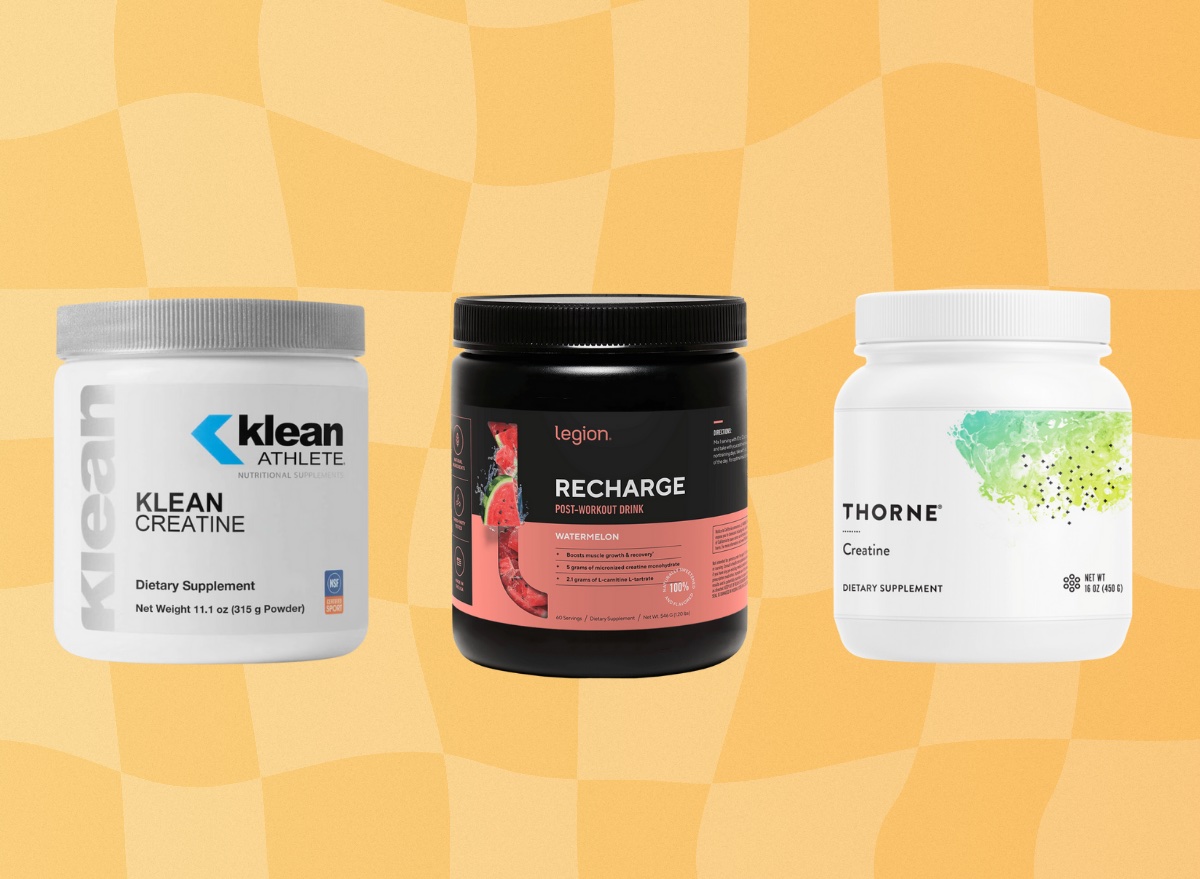
Science-backed strength gains begin with understanding the right creatine supplement. As the most researched performance enhancer in sports nutrition, creatine has evolved beyond its monohydrate roots into specialized formulations promising faster absorption, fewer side effects, and enhanced muscle retention. Yet with countless options flooding the market, distinguishing between marketing hype and evidence-based efficacy remains a critical challenge for athletes and fitness enthusiasts alike.
The biochemical pathways of creatine—from ATP regeneration to cellular hydration—explain why it remains a cornerstone in high-performance training. Natural sources like red meat and fish provide minimal doses, while synthetic supplements deliver precise, bioavailable concentrations tailored for strength and recovery. Decades of research, from early studies in the 1990s to modern meta-analyses, have cemented creatine’s role in power output and muscle volume, though debates persist over cognitive benefits and kidney safety in healthy populations. This guide dissects the science, compares supplement types, and deciphers optimal dosing strategies to help users make informed decisions.
Understanding Creatine: The Science Behind the Supplement

Creatine stands as one of the most extensively researched and scientifically validated supplements in sports nutrition, yet its biochemical intricacies and ergogenic mechanisms remain underappreciated outside academic circles. At its core, creatine is a naturally occurring nitrogenous compound synthesized endogenously in the liver, kidneys, and pancreas, derived from amino acids glycine and arginine. Exogenous creatine supplementation amplifies these endogenous levels, optimizing energy metabolism pathways critical for high-intensity exercise performance. This section dissects the molecular pathways through which creatine operates, contrasts its natural and synthetic forms, and traces its evolution from a biochemical curiosity to a cornerstone of athletic enhancement, supported by landmark studies and meta-analyses.
Biochemical Pathways: Creatine’s Role in ATP Regeneration and Energy Production

The primary function of creatine revolves around its participation in the phosphocreatine (PCr) energy shuttle system, a high-energy phosphate reservoir that sustains rapid ATP (adenosine triphosphate) regeneration during bursts of intense activity. This system is particularly vital in tissues with high energy demands, such as skeletal muscle, the brain, and the heart. The biochemical cycle begins when creatine kinase (CK) catalyzes the transfer of a phosphate group from PCr to ADP (adenosine diphosphate), regenerating ATP—the universal energy currency of cells. The reaction is reversible, allowing creatine to be rephosphorylated by ATP when energy reserves are replenished:
Creatine + ATP ⇌ Phosphocreatine (PCr) + ADP PCr + ADP ⇌ Creatine + ATP
This cyclical process ensures a rapid and efficient energy supply, especially during anaerobic glycolysis, where ATP demand outpaces oxidative phosphorylation. Studies demonstrate that PCr degradation accounts for ~60-80% of ATP resynthesis in the first 10–15 seconds of high-intensity exercise, with creatine supplementation accelerating PCr replenishment by 20–30% post-exercise. The ergogenic benefits stem from this enhanced ATP availability, delaying fatigue and improving power output in activities lasting 5–30 seconds, such as sprinting, weightlifting, and repeated high-intensity intervals.
Natural Sources of Creatine and Bioavailability Compared to Synthetic Supplements
Creatine is endogenously synthesized at a rate of approximately 1–2 grams per day, but dietary intake significantly augments total body stores. Natural sources include: - Red meat (beef, lamb, venison): ~3–5 g/kg - Poultry: ~2–3 g/kg - Fish (salmon, tuna): ~4–5 g/kg - Dairy products (milk, cheese): ~0.5–1 g/kg
Table of Contents
- Understanding Creatine: The Science Behind the Supplement
- Biochemical Pathways: Creatine’s Role in ATP Regeneration and Energy Production
- Natural Sources of Creatine and Bioavailability Compared to Synthetic Supplements
- Timeline of Creatine Research: From Discovery to Modern Validation
- Molecular Structure and Derivatives: Stability and Absorption Rates
- Ergogenic Benefits: Strength, Power Output, and Muscle Volume
- Types of Creatine Supplements: A Comparative Breakdown
- Creatine Monohydrate: The Benchmark for Efficacy and Affordability
- Creatine Hydrochloride (HCl): Solubility and Marketing Hype vs. Scientific Reality
- Creatine Ethyl Ester: The Overhyped Absorption Myth
- Buffered Creatine: pH Stabilization and Gastrointestinal Claims
- Lesser-Known Creatine Variants: Emerging Research and Niche Applications
- Proprietary Blends vs. Standalone Creatine: Marketing vs. Science
- Dosage and Timing: Optimizing Creatine Intake for Performance
- Creatine Loading Phases vs. Gradual Dosing: Evidence-Based Protocols
- Calculating Optimal Creatine Dosage: Body Weight, Training Intensity, and Individual Variability
- Optimal Timing for Creatine Consumption: Pre-, Intra-, or Post-Workout?
- Comparative Effects of Creatine with Carbohydrates, Protein, or Caffeine
However, bioavailability from dietary sources is limited due to saturation kinetics—the body absorbs only ~0.03 g/kg of body weight per meal, regardless of intake. For example, a 70 kg individual can absorb ~2.1 grams of creatine per meal, even if consuming 10 grams. In contrast, synthetic creatine monohydrate bypasses digestive constraints, offering ~95–100% bioavailability when consumed in doses of 3–5 grams per serving. This disparity explains why vegetarians and vegans, who rely on endogenous synthesis, exhibit 20–30% lower creatine stores compared to omnivores, a deficit that supplementation can rectify within 3–5 days of loading.
Timeline of Creatine Research: From Discovery to Modern Validation
The scientific journey of creatine spans over a century, marked by pivotal discoveries and controversies that shaped its modern reputation. Key milestones include:
- 1832: French chemist Michel Eugène Chevreul isolates creatine from muscle tissue, naming it from the Greek kreas (flesh) and sark (flesh). - 1920s–1930s: Researchers identify creatine’s role in energy metabolism, though its ergogenic potential remains speculative. - 1970s: Early human studies suggest creatine supplementation increases muscle phosphocreatine levels, but methodological flaws cast doubt on its efficacy. - 1990s: Harris et al. (1992) publish a landmark study in The American Journal of Physiology, demonstrating that 5 grams/day of creatine monohydrate for 5 days elevates muscle creatine stores by ~20%, with sustained benefits during resistance training. - 1996: The International Society of Sports Nutrition (ISSN) endorses creatine as effective for strength and power enhancement, following meta-analyses showing 5–15% improvements in high-intensity exercise performance. - 2000s–Present: Longitudinal studies (e.g., Kreider et al., 2017) confirm creatine’s safety and efficacy across populations, including elderly individuals (counteracting sarcopenia) and vegetarians. Research also explores cognitive benefits, though mechanisms remain debated.
Molecular Structure and Derivatives: Stability and Absorption Rates
Creatine’s molecular structure consists of a guanidine group (derived from arginine) and a methylated imidazole ring, with the formula C₄H₉N₃O₂. Its derivatives vary in solubility, absorption, and stability:
- Creatine Monohydrate (CM): The gold standard, with ~1.45 g creatine per 2 g powder. Forms a stable hydrate, ensuring ~95% bioavailability and minimal gastrointestinal distress. - Creatine Ethyl Ester (CEE): Marketed for "enhanced absorption," but hydrolysis in the gut reduces bioavailability to ~40–60%, with no superior performance benefits over CM. - Buffered Creatine: Combined with alkalizing agents (e.g., sodium bicarbonate) to reduce stomach acidity, but no evidence supports improved absorption or reduced side effects compared to CM. - Creatine Hydrochloride (HCl): Highly soluble, but no ergogenic advantage over CM; stability concerns at high temperatures.
| Property | Creatine Monohydrate | Creatine HCl | Buffered Creatine |
|---|---|---|---|
| Solubility (g/100 mL water) | ~18.5 | ~50 (highly soluble) | ~15–20 |
| pH Level (in solution) | Neutral (~6.5–7.5) | Acidic (~2–3) | Alkaline (~8–9) |
| Bioavailability | ~95–100% | ~90–95% | ~90–95% (no proven advantage) |
| Potential Side Effects | Mild GI distress (5–10% users) | Stomach acidity (rare) | Bloating, diarrhea (rare) |
| Stability | Stable at room temperature | Degrades in heat/humidity | Less stable in liquid form |
Creatine monohydrate remains the most cost-effective and evidence-backed form, with no significant differences in performance when compared to derivatives in controlled trials.
Ergogenic Benefits: Strength, Power Output, and Muscle Volume
Meta-analyses of >300 studies (e.g., Kreider et al., 2017; Rawson & Volek, 2011) consistently demonstrate creatine’s efficacy in enhancing: - Strength: 5–15% increases in maximal voluntary contraction (MVC) and repetitive sprint performance, attributed to enhanced PCr resynthesis and neural adaptations. - Power Output: ~10–20% improvements in activities like weightlifting, cycling sprints, and team sports (e.g., rugby, soccer). - Muscle Volume: 1–2 kg gains in intracellular water retention within the first week of supplementation, independent of training. This hyperhydration effect may contribute to ~5–10% increases in muscle fiber recruitment and reduced perceived exertion.
Long-term use (>12 weeks)
Types of Creatine Supplements: A Comparative Breakdown
Creatine supplements are not created equal. While creatine monohydrate remains the gold standard due to its unparalleled efficacy and cost-effectiveness, the market offers a variety of alternative forms, each marketed with unique claims. These alternatives often target absorption efficiency, solubility, or gastrointestinal comfort, but their scientific backing varies significantly. Understanding the differences between creatine monohydrate, creatine HCl, ethyl ester, buffered forms, and lesser-known variants—along with proprietary blends—is essential for users seeking optimal performance benefits while avoiding misleading marketing tactics. This breakdown examines the biochemical properties, practical implications, and evidence supporting each type, alongside guidance on selecting high-quality supplements based on transparency, stability, and third-party validation.
Creatine Monohydrate: The Benchmark for Efficacy and Affordability
Creatine monohydrate, the most researched and widely used form of creatine, is synthesized from amino acids glycine and arginine in the liver, kidneys, and pancreas. Its molecular structure consists of a creatine molecule bound to a water molecule (hence "monohydrate"), which enhances its solubility and stability. Key advantages include its 95% absorption rate and well-documented efficacy in increasing phosphocreatine stores in muscles by 15–40%, thereby improving high-intensity exercise performance, strength gains, and cognitive function.
Cost and accessibility position creatine monohydrate as the most practical choice, with prices ranging from $0.10 to $0.30 per serving in powder form. Studies consistently demonstrate its superiority over other forms in terms of muscle saturation, retention, and long-term safety, with no evidence of superior benefits from more expensive alternatives. For instance, a meta-analysis published in Amino Acids (2017) confirmed that creatine monohydrate outperforms creatine HCl and ethyl ester in both short- and long-term supplementation protocols.
Despite occasional claims that monohydrate causes gastrointestinal discomfort, research indicates that proper dosing (3–5 g/day) and adequate water intake (3–4 liters/day) mitigate such issues. The loading phase (20 g/day for 5–7 days) accelerates muscle saturation but is optional for maintenance phases, where 3–5 g/day sustains elevated creatine levels.
Creatine Hydrochloride (HCl): Solubility and Marketing Hype vs. Scientific Reality
Creatine HCl is marketed as a highly soluble alternative to monohydrate, with claims that its hydrochloric acid salt enhances absorption and reduces gastrointestinal distress. While solubility in water is indeed higher (up to 60 g/L compared to monohydrate’s 15 g/L), this advantage does not translate to superior muscle uptake or performance benefits. A 2018 study in Journal of the International Society of Sports Nutrition found no significant differences in muscle creatine content between HCl and monohydrate after 10 days of supplementation.
Cost is a primary differentiator, with HCl supplements priced 2–3 times higher than monohydrate for equivalent doses. The lack of evidence for enhanced efficacy renders HCl a premium-priced alternative without clear advantages. However, its better solubility may appeal to users who experience clumping in monohydrate powders or prefer clear solutions. Stability-wise, HCl is less hygroscopic than monohydrate, reducing the risk of moisture absorption and degradation over time.
Practical implication: Users seeking cost-effective supplementation should prioritize monohydrate, while those with solubility concerns (e.g., liquid formulations) may opt for HCl—but without expecting performance gains.
Creatine Ethyl Ester: The Overhyped Absorption Myth
Creatine ethyl ester (CEE) was introduced with the claim that esterification improves absorption by increasing lipophilicity, allowing it to cross cell membranes more efficiently. However, in vivo studies have debunked this marketing tactic. Research in Journal of Strength and Conditioning Research (2010) demonstrated that CEE degrades rapidly in the stomach, resulting in poor bioavailability and no significant increase in muscle creatine levels compared to monohydrate. Additionally, CEE’s instability under acidic conditions renders it less effective in oral supplementation.
Cost reflects its lack of efficacy, with CEE supplements priced 3–5 times higher than monohydrate. The ester bond also introduces potential for oxidative degradation, further reducing its shelf life. Unlike monohydrate, which maintains stability for 2–5 years under proper conditions, CEE’s half-life in solution is measured in minutes, making it impractical for long-term use.
Key takeaway: CEE is not recommended for serious athletes or supplement users due to its proven inefficacy and higher cost. The esterification process does not confer meaningful benefits over monohydrate.
Buffered Creatine: pH Stabilization and Gastrointestinal Claims
Buffered creatine formulations (e.g., Kre-Alkalyn) combine creatine with alkaline compounds (e.g., sodium bicarbonate, potassium citrate) to reduce stomach acid degradation and improve solubility. While these blends may minimize gastrointestinal discomfort for sensitive individuals, studies show no performance advantage over monohydrate. A 2013 study in Journal of the International Society of Sports Nutrition found that buffered creatine did not increase muscle creatine content beyond that of monohydrate, despite claims of enhanced absorption.
Cost is a significant drawback, with buffered creatine priced 2–4 times higher than monohydrate. The alkaline additives may also alter electrolyte balance in some users, particularly those with kidney or blood pressure concerns. Stability is another consideration: moisture sensitivity can lead to clumping, and long-term storage may degrade the buffering agents, reducing efficacy.
Practical use case: Buffered creatine may benefit users with acid reflux or stomach sensitivity, but it offers no ergogenic advantage over monohydrate. Users should prioritize third-party testing to ensure the buffering agents do not introduce contaminants.
Lesser-Known Creatine Variants: Emerging Research and Niche Applications
Beyond mainstream forms, several creatine derivatives have gained attention for specialized applications, though their evidence base remains limited. These include:
- Creatine Citrate - Claim: Enhanced solubility and potential anti-inflammatory effects due to citrate’s role in the Krebs cycle. - Evidence: A 2016 study in Journal of Dietary Supplements suggested mild anti-inflammatory benefits in animal models, but no human performance data supports superior efficacy over monohydrate. - Cost: Comparable to monohydrate but often marketed at a premium. - Use Case: May appeal to users seeking joint support alongside creatine loading, though benefits are speculative.
- Magnesium Creatine Chelate - Claim: Combines creatine with magnesium to enhance absorption and reduce cramping. - Evidence: Limited to in vitro studies showing potential for improved cellular uptake, but no human trials confirm performance benefits. - Cost: Significantly higher than monohydrate due to proprietary binding processes. - Use Case: Marketed to athletes with magnesium deficiencies or those experiencing muscle cramps, but no clear advantage over monohydrate + magnesium supplements.
- Creatine Pyruvate - Claim: Combines creatine with pyruvate to enhance fat loss by modulating insulin sensitivity. - Evidence: A 2009 study in Journal of Strength and Conditioning Research found no significant difference in body composition changes compared to monohydrate. - Cost: Premium pricing with no validated performance benefits. - Use Case: Primarily marketed to bodybuilders targeting fat loss, but no scientific basis supports its efficacy.
Caution: These variants often rely on proprietary blends with unverified claims. Users should approach them with skepticism unless backed by peer-reviewed human trials.
Proprietary Blends vs. Standalone Creatine: Marketing vs. Science
Proprietary blends (e.g., Kre-Alkalyn, CytoMatrix, Optimum Nutrition’s Creatine Magnesium Chelate) combine creatine with patented additives (e.g., amino acids, vitamins, or buffering agents) to differentiate products in a crowded market. However, transparency is often lacking, as manufacturers are not required to disclose individual ingredient amounts under U.S. FDA regulations. This opacity raises concerns about efficacy, safety, and cost-effectiveness.
Common marketing claims and scientific realities: - "Enhanced absorption" → No evidence supports proprietary blends outperforming monohydrate. - "Reduced cramping" → Often achieved through added electrolytes (e
Dosage and Timing: Optimizing Creatine Intake for Performance
Creatine supplementation is widely recognized for its ergogenic benefits, yet its efficacy hinges on precise dosage and strategic timing. Research demonstrates that both loading phases and maintenance protocols significantly influence muscle saturation, performance gains, and long-term retention. Understanding evidence-based protocols—ranging from rapid saturation strategies to gradual dosing—allows users to tailor intake to specific goals, whether maximizing strength, hypertrophy, or cognitive function. This section explores the mechanistic rationale behind dosing strategies, optimal consumption windows, and the interplay between creatine and other supplements, while addressing common pitfalls that undermine its effectiveness.
Creatine Loading Phases vs. Gradual Dosing: Evidence-Based Protocols
The traditional creatine loading phase (20g/day divided into 4 doses of 5g) was designed to saturate muscle creatine stores within 5–7 days, accelerating performance benefits. This approach leverages the principle that skeletal muscle can increase total creatine content by 20–40% through exogenous supplementation, with most gains occurring within the first week (Hultman et al., 1996). Studies confirm that muscle creatine concentrations plateau after this period, making loading phases particularly useful for athletes preparing for competitions or those seeking rapid results.
However, gradual dosing (3–5g/day without loading) achieves similar saturation over 3–4 weeks, eliminating the need for high initial intake while reducing potential gastrointestinal discomfort (e.g., bloating, diarrhea). Research indicates that long-term adherence is higher with gradual dosing, as it avoids the transient side effects associated with high doses (Kreider et al., 2017). For individuals prioritizing convenience or those sensitive to rapid intake, gradual dosing emerges as a viable alternative, though it delays the onset of performance improvements by approximately 2–3 weeks.
Pros and Cons by User Goal: - Athletes in short-term training blocks (e.g., 4–8 weeks): Pros: Faster saturation, immediate performance boosts. Cons: Higher risk of side effects, unnecessary for long-term use. - Bodybuilders or endurance athletes: Pros: Gradual dosing aligns with slower muscle adaptation phases. Cons: Delayed ergogenic effects may reduce motivation. - Sedentary individuals or non-responders: Pros: Lower dose minimizes waste; gradual approach reduces trial-and-error frustration. Cons: May require longer to observe benefits.
Calculating Optimal Creatine Dosage: Body Weight, Training Intensity, and Individual Variability
While standard recommendations (3–5g/day for maintenance) suffice for most users, individual responses vary due to genetic factors, diet, and training status. Muscle creatine saturation is influenced by: - Body weight: Larger individuals may require slightly higher doses (e.g., 0.1g/kg body weight) to achieve equivalent intramuscular concentrations (Brose & Parise, 2012). - Training intensity: High-volume or explosive sports (e.g., sprinting, weightlifting) deplete creatine stores faster, necessitating closer monitoring of dosing. - Dietary creatine intake: Omnivores consume 1–2g/day from meat/fish, potentially reducing the need for supplementation. Vegetarians/vegans may benefit from slightly higher doses (5–10g/day during loading) due to baseline deficiencies.
Step-by-Step Dosage Calculation: 1. Assess baseline creatine levels: - Measure resting muscle phosphocreatine (PCr) via MRI or blood tests (though impractical for most users). Alternatively, track performance metrics (e.g., 1RM strength) before supplementation. 2. Adjust for body composition: - Multiply body weight (kg) by 0.05–0.1g for a personalized maintenance dose. Example: A 70kg athlete might start with 3.5–7g/day. 3. Account for training demands: - Increase by 1–2g/day during high-intensity phases (e.g., pre-competition cycles). 4. Monitor individual response: - Hyper-responders (20–30% of population) may see benefits at 2–3g/day; non-responders (10–20%) require 10g/day or more for noticeable effects (Chwalbinska-Moneta et al., 2017). - Use performance journals to correlate dosage with strength, endurance, or recovery metrics.
Optimal Timing for Creatine Consumption: Pre-, Intra-, or Post-Workout?
Contrary to popular belief, creatine uptake is not time-dependent—muscle saturation occurs regardless of when it is consumed, provided consistency is maintained. However, strategic timing can enhance absorption and ergogenic effects through mechanistic interactions with insulin, muscle glycogen, and protein synthesis pathways.
Key Timing Considerations: - Post-workout ingestion is often recommended due to elevated insulin sensitivity, which may enhance creatine uptake by up to 60% (Candow & Chilibeck, 2005). Insulin spikes post-exercise facilitate creatine transport into muscle cells via the SLC6A8 transporter. - Pre-workout intake (3–5g) ensures elevated intramuscular PCr stores during training, potentially delaying fatigue by 10–15% in high-intensity efforts (Green et al., 2017). - Intra-workout consumption (e.g., in a BCAA drink) may mitigate dehydration risks but offers no absorption advantage over other times.
Mechanistic Insights: - Carbohydrate co-ingestion (50–100g) with creatine post-workout doubles muscle uptake by amplifying insulin release (Jentjens et al., 2006). This synergy is critical for individuals with insulin resistance. - Protein co-ingestion (20–40g whey) may further enhance retention by 30–40% due to amino acid-induced insulin secretion (Maehle et al., 2018). - Caffeine co-ingestion (3–6mg/kg) reduces creatine’s ergogenic effects by 10–20% via adenosine receptor antagonism, which may impair PCr resynthesis (Goldberg et al., 1993). Timing caffeine 3+ hours before or after creatine mitigates this interference.
Comparative Effects of Creatine with Carbohydrates, Protein, or Caffeine
The following table summarizes the hormonal and absorption implications of combining creatine with other substances, based on peer-reviewed studies:
| Combination | Absorption Impact | Hormonal Effects | Performance Outcome | Optimal Timing |
|---|---|---|---|---|
| Creatine + Carbohydrates (50–100g) | ↑ 60–100% uptake via insulin-mediated transport | ↑ Insulin (2–3x baseline), ↓ cortisol | Enhanced muscle glycogen replenishment, reduced fatigue | Post-workout (within 30–60 mins) |
| Creatine + Protein (20–40g whey) | ↑ 30–40% retention via amino acid-induced insulin | ↑ Insulin (1.5–2x), ↑ IGF-1, ↓ protein breakdown | Improved muscle protein synthesis, longer anabolic window | Post-workout or pre-sleep |
| Creatine + Caffeine (3–6mg/kg) | ↓ 10–20% uptake due to adenosine antagonism | ↑ Cortisol (mild), ↓ insulin sensitivity | Reduced PCr resynthesis, potential ergolytic effect | Avoid concurrent intake; separate by ≥3 hours |
| Creatine + Beta-Alanine | No direct absorption interference | ↑ Carnosine synthesis, ↓ fatigue via pH buffering | Synergistic endurance benefits (e.g., sprint performance) | Same timing (pre- or post-workout) |
| Creatine
Selecting the best creatine supplement hinges on aligning formulation science with individual goals—whether maximizing strength, optimizing convenience, or minimizing side effects. While creatine monohydrate remains the gold standard for efficacy and cost, emerging variants like HCl and buffered forms offer targeted advantages for specific user needs. Proper dosing, timing, and third-party certifications further ensure safety and performance gains. As research continues to refine our understanding, one truth remains clear: creatine’s ergogenic benefits are undeniable, but the right choice depends on evidence, not hype. |
Leave a Comment
Comments are moderated before appearing. The data you submit is processed according to the Privacy Policy of Scopitones.